
What is Data and Why We Need It
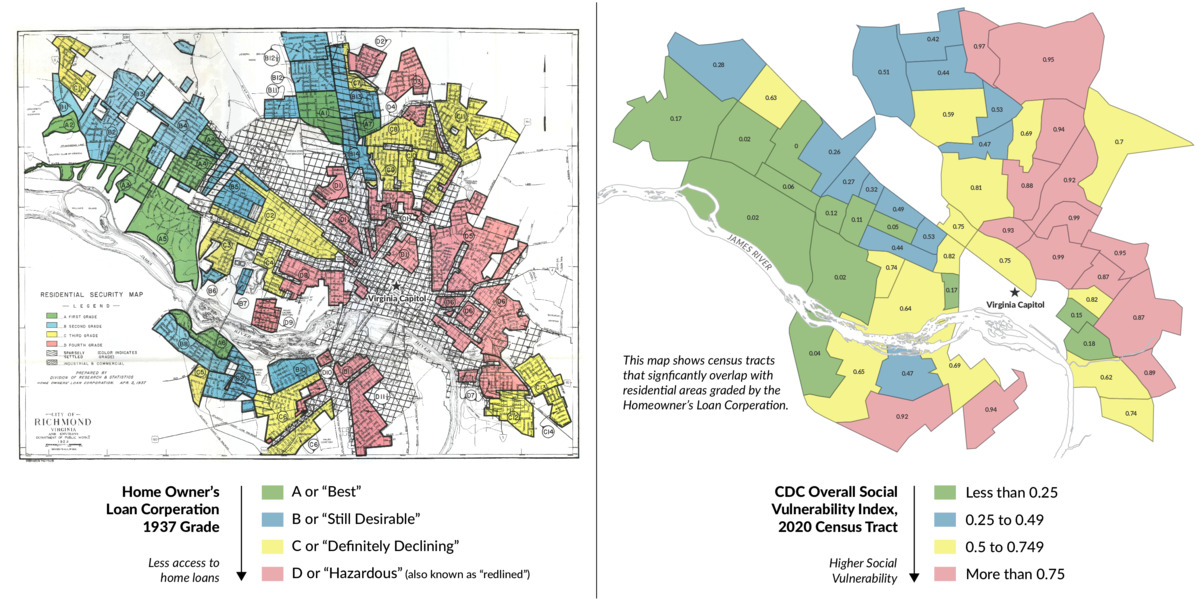
Data are collections of information that can appear as records, measurements, stories, or surveillance and can describe the quality, quantity, and access of opportunities that support good health. Gathering data is an intentional effort to collect unknown facts and updated information, or documentation about individuals, organizations or societies. Data are interpreted then by scientists, program evaluators, community members, and many others. To advance health equity, we need data that are not only accurate, but also analyzed and communicated in meaningful, useable, and actionable ways.
Data may be presented as online databases, maps, data pictures (visualizations), or stories, written or oral. Regardless of the mechanism, data guide policy, program, and community decisions. A growing body of research shows that centuries of racism in this country has had a profound and negative impact on communities of color. The impact is pervasive and deeply embedded in our society—affecting where one lives, learns, works, worships, and plays. Racism also creates inequities in access to a range of social and economic benefits—such as housing, education, wealth, and employment. These conditions—the social determinants of health—are key drivers of health inequities within communities of color, placing those within these populations at greater risk for poor health outcomes.
Here we introduce you to a broad range of data collection and presentation approaches including CDC’s powerful Environmental Justice Index. You will see how citizen data collectors are working to understand the impact of tobacco policies in public housing in Milwaukee, and how advocates work to document the number of unhoused individuals throughout the country, as well as how the lived experience of Black pregnant people is being used to address obstetric racism.
Click Below to Learn More About How Data is the Foundation for Health Equity
 |
 |
 |
 |
 |
 |
 |
 |