
Focusing on Missing or Murdered Indigenous Women
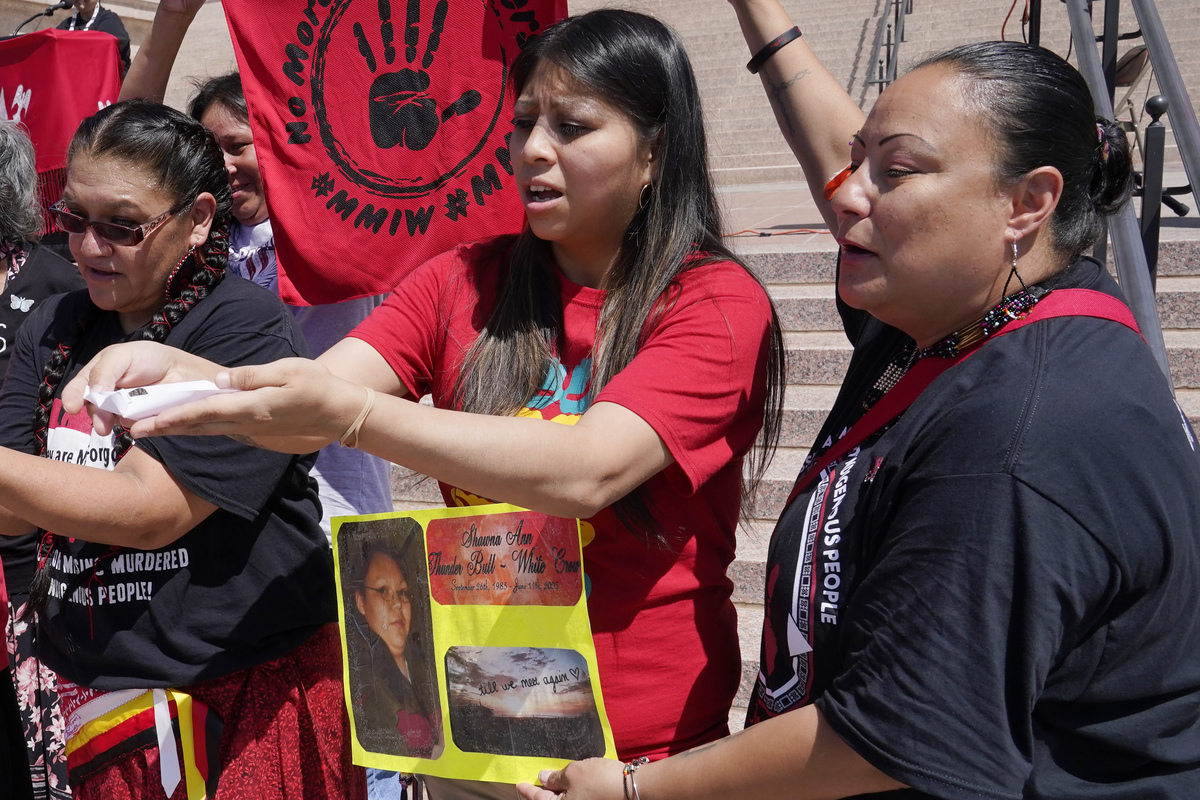
Of particular concern in the U.S. is the Missing or Murdered Indigenous Women (MMIW) crisis because Indigenous women are more than twice as likely to experience violence than any other demographic. Over the past decades, tribal grassroots activists and national organizations, such as the National Indigenous Women’s Resource Center in Lame Deer, Montana and the Urban Indian Health Institute in Seattle, Washington, have brought attention to the issue. Their priorities include working to develop community-based prevention strategies based on traditional Indigenous values, and to offer victim services and support structures for families whose mothers, daughters and sisters have gone missing or murdered.
Their activism has also accelerated responses from federal, state, and local governments, including better tracking and data collection and more responsive law enforcement policies. CDC is contributing to these efforts by offering solutions through a public health lens, including helping with robust data collections, and embracing the protective factors that Indigenous knowledge and customs can bring to bear to prevent violence in the first place.
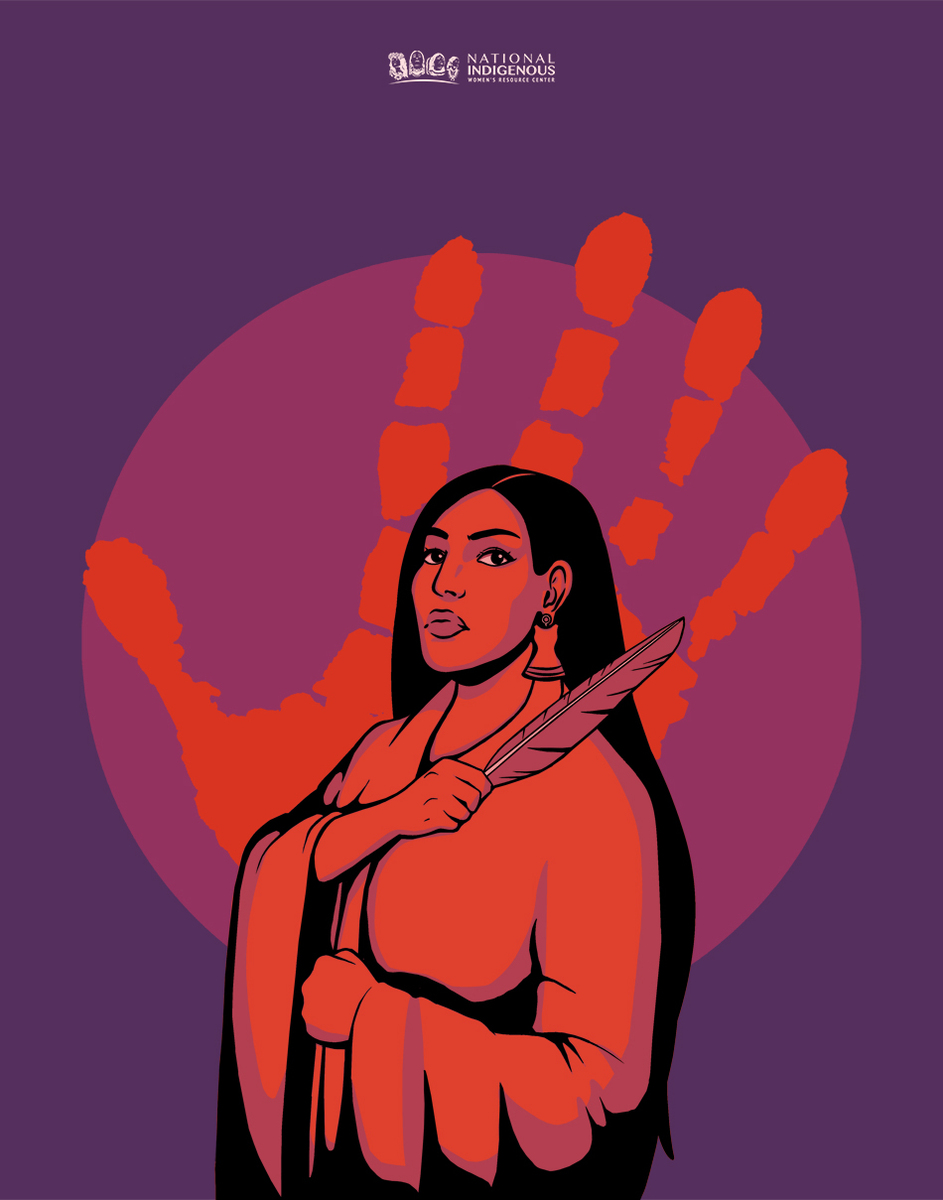
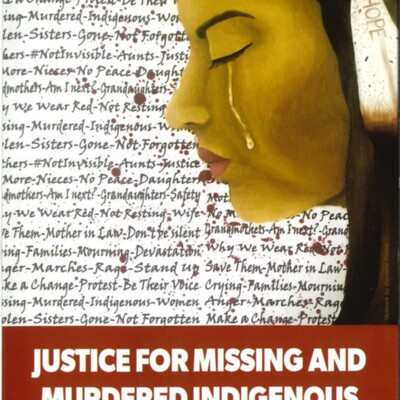
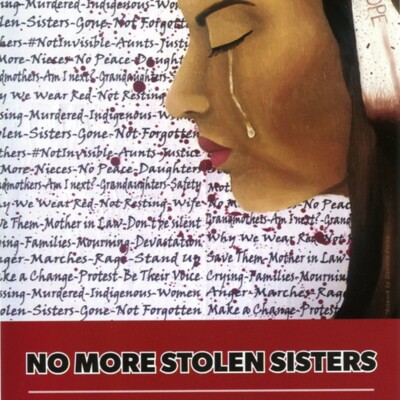
For its 2023 National Week of Action for Missing and Murdered Indigenous Women (MMIW), NIWRC commissioned Nick Alan Foote and Kelsey Mata Foote to create this poster. The brother and sister team are originally from Tlingit, Taakw.aaneidí in Southeast Alaska, the state with the most missing people among Alaska Native and American Indian people.
The image is an intentional reflection on MMIW and what has persisted for generations. It stands in solidarity with daughters, sisters, mothers, and aunties who were taken from their nations and communities.
National Indigenous Women’s Resource Center violence prevention and awareness materials

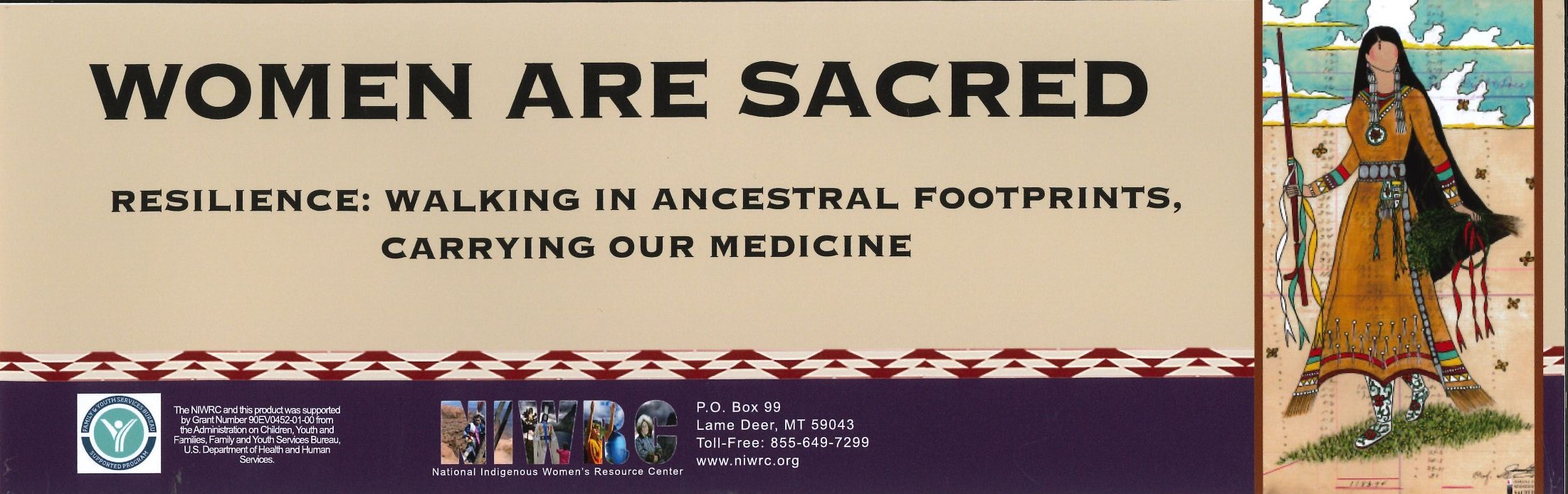
Women Are Sacred <br />Resilience: Walking in Ancestral Footprints, Carrying Our Medicine sticker
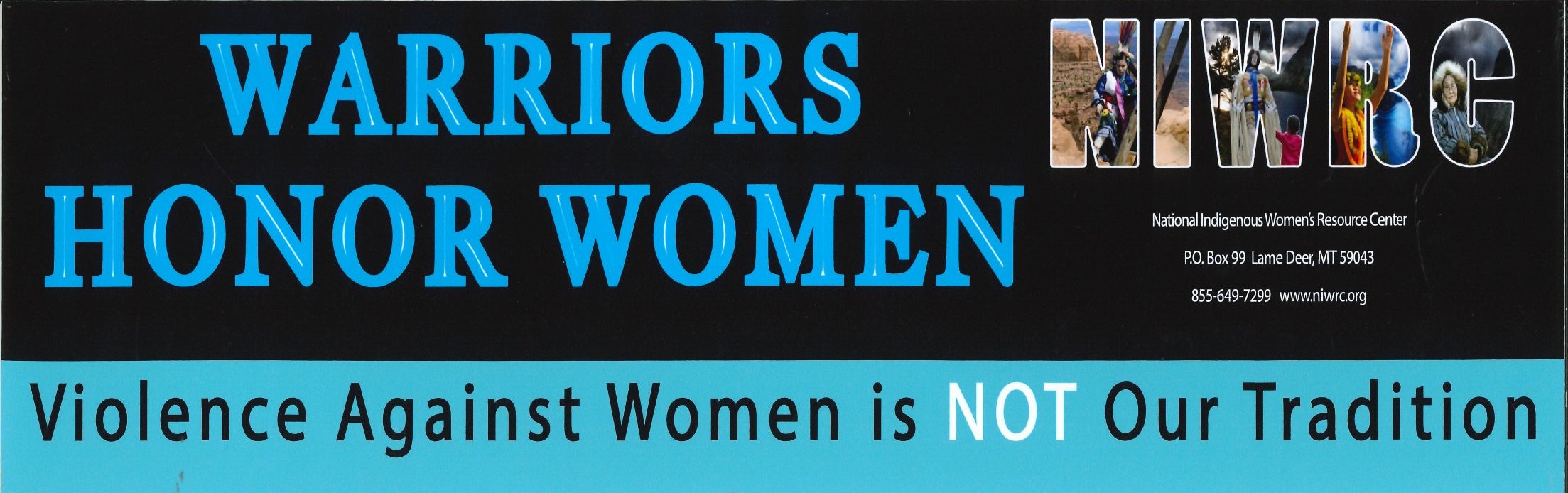
Warriors Honor Women: Violence Against Women is NOT Our Tradition sticker
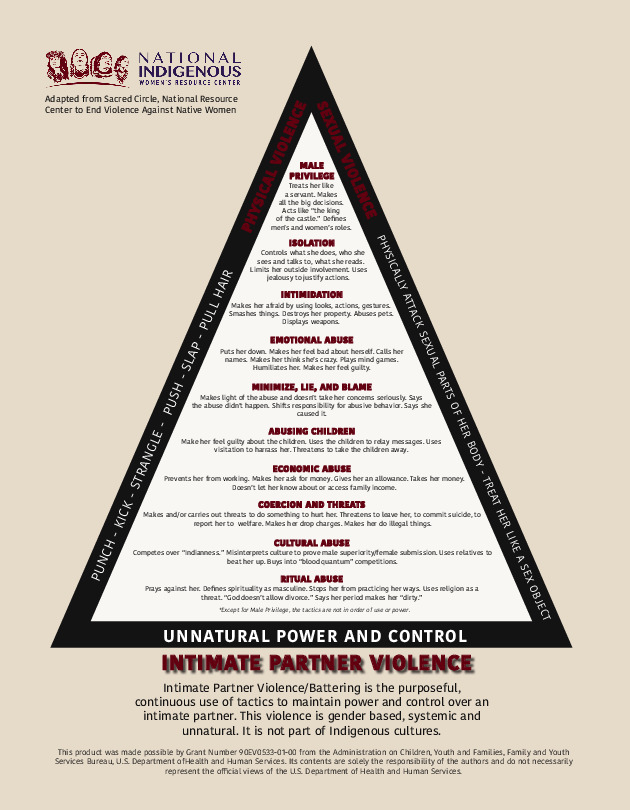
Intimate Partner Violence
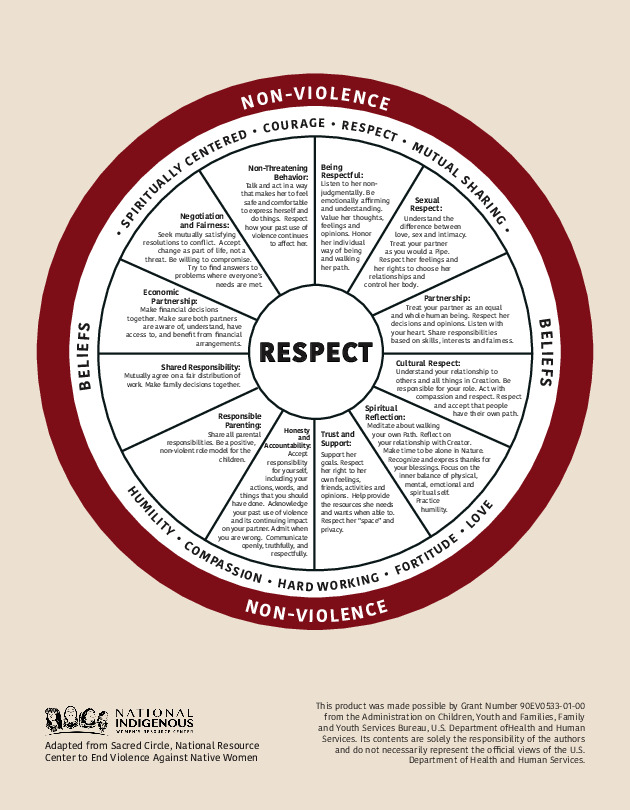
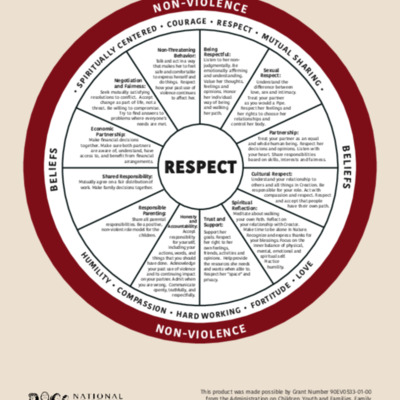
Respect Wheel
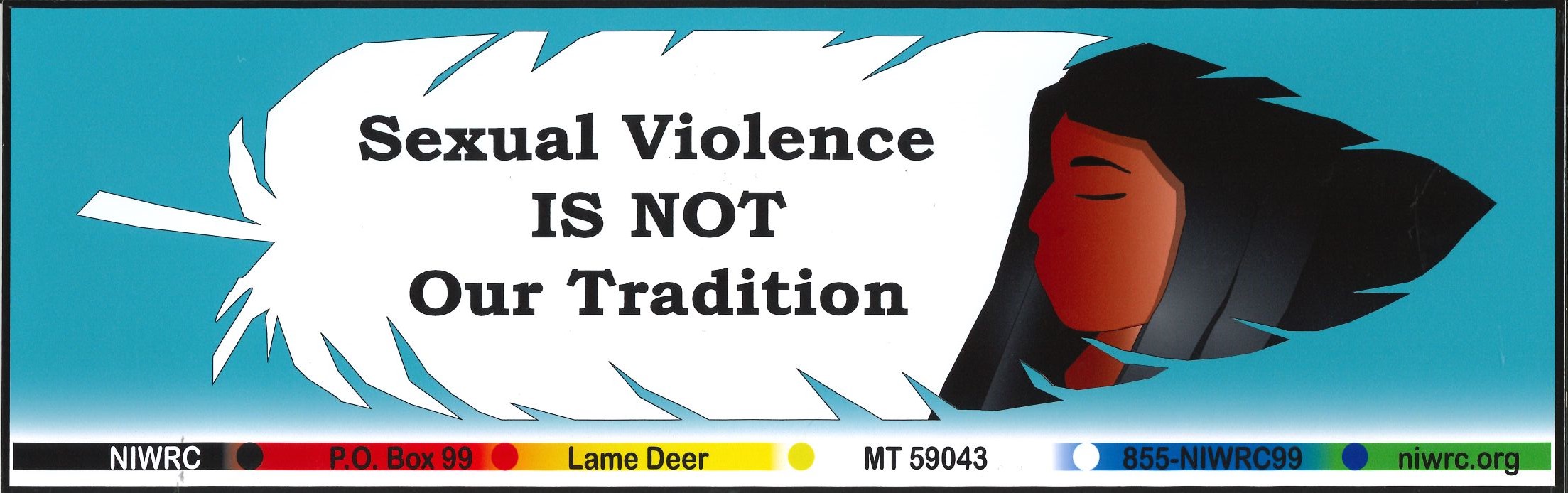
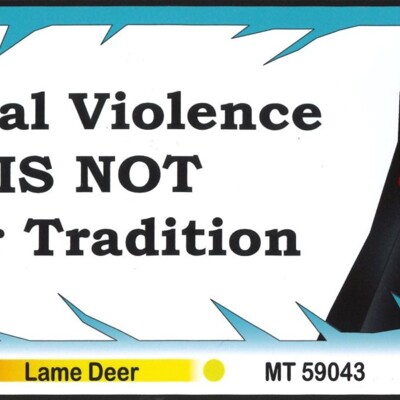
Sexual Violence is NOT our Tradition sticker
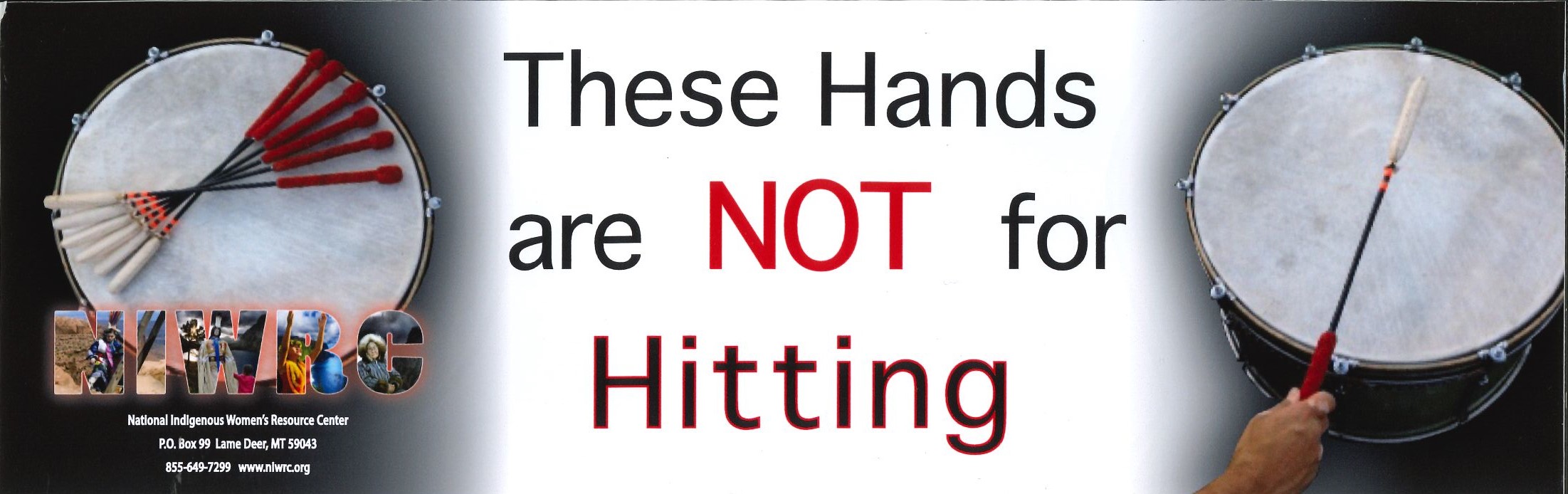
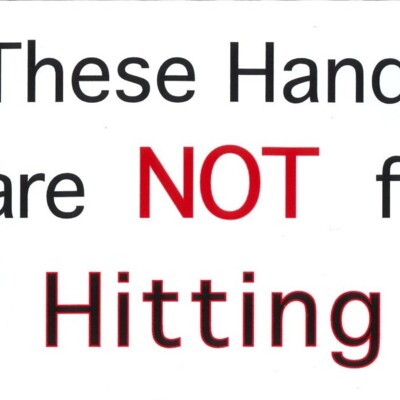
These Hands are NOT for Hitting sticker
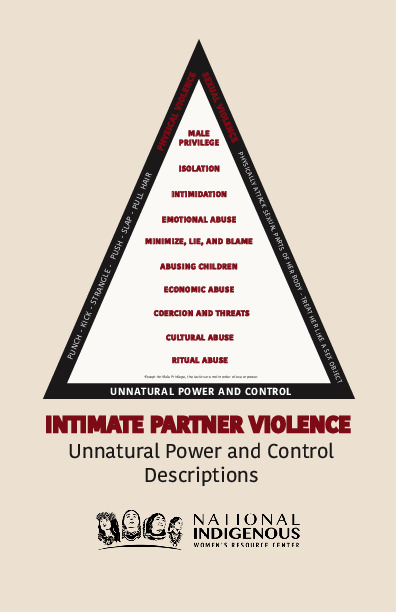
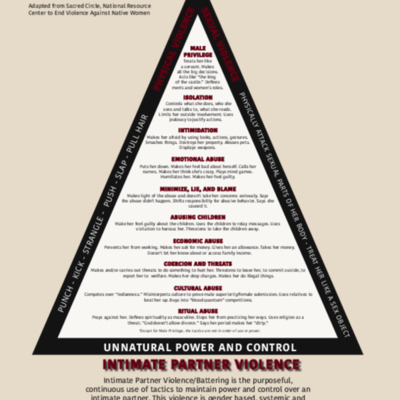
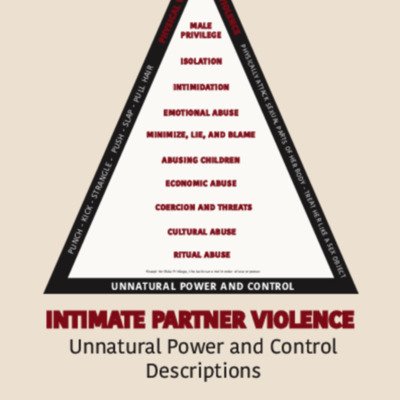
Intimate Partner Violence: Unnatural Power and Control Descriptions
Native Love stickers
Native Love stickers
Native Love stickers
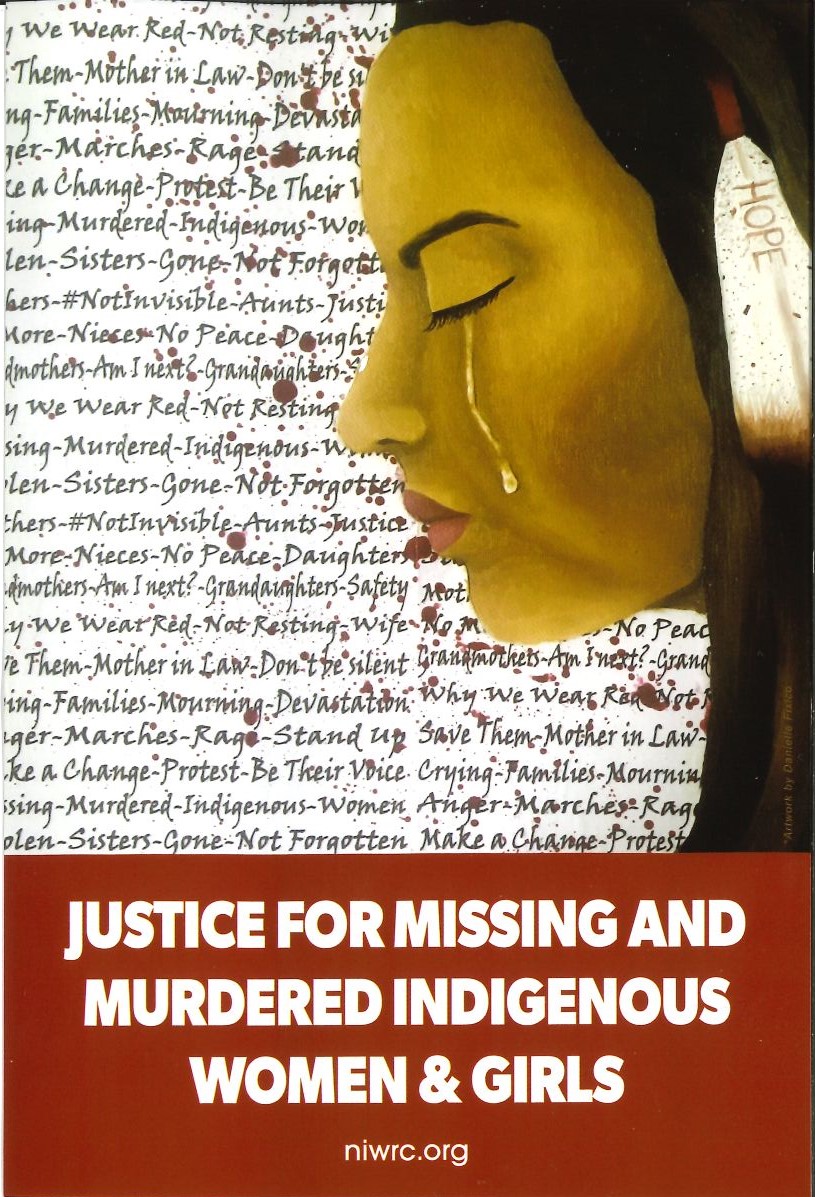
Justice for Missing and Murdered Indigenous Women and Girls sticker
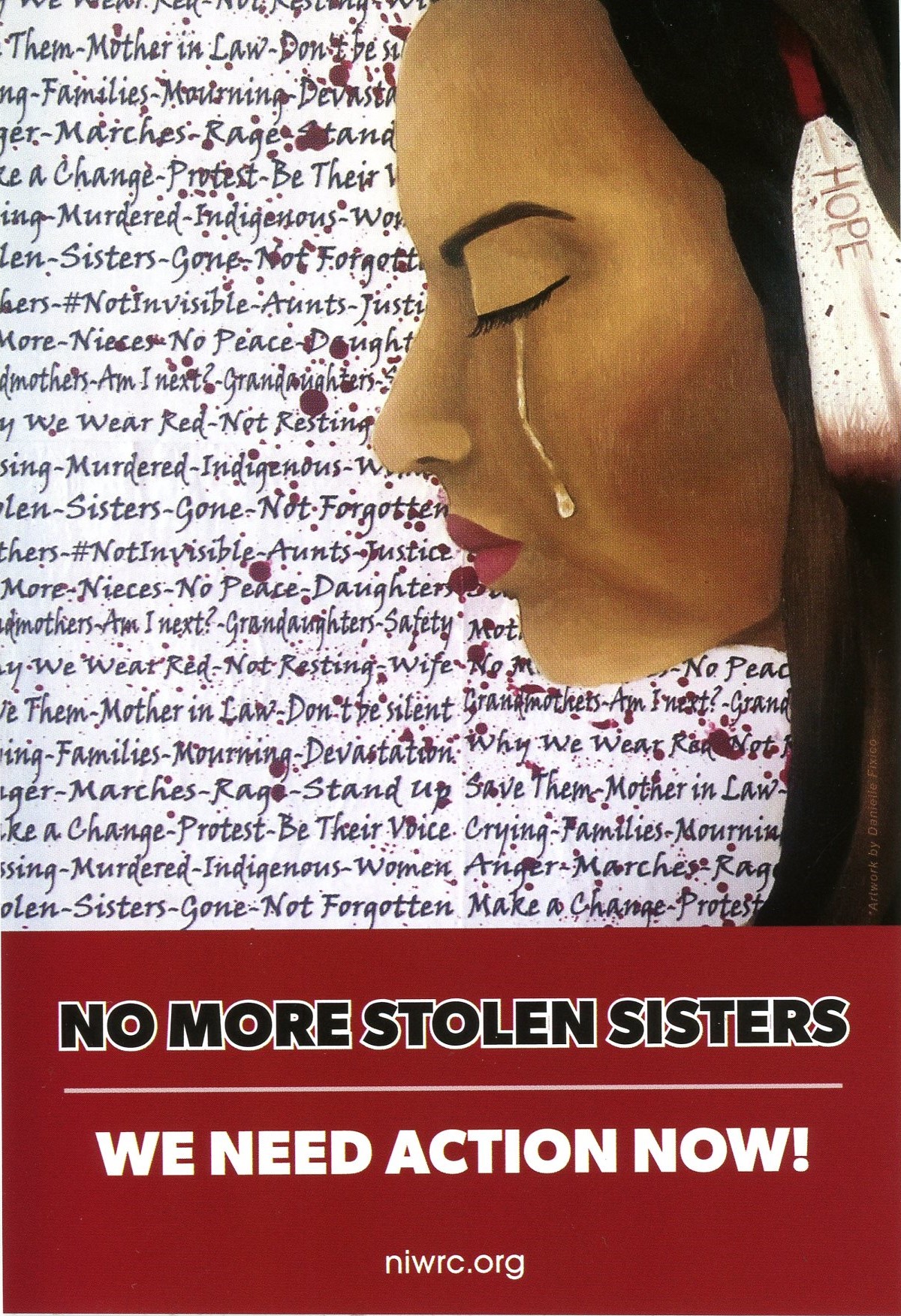
No More Stolen Sisters, We Need Action Now Palm Card