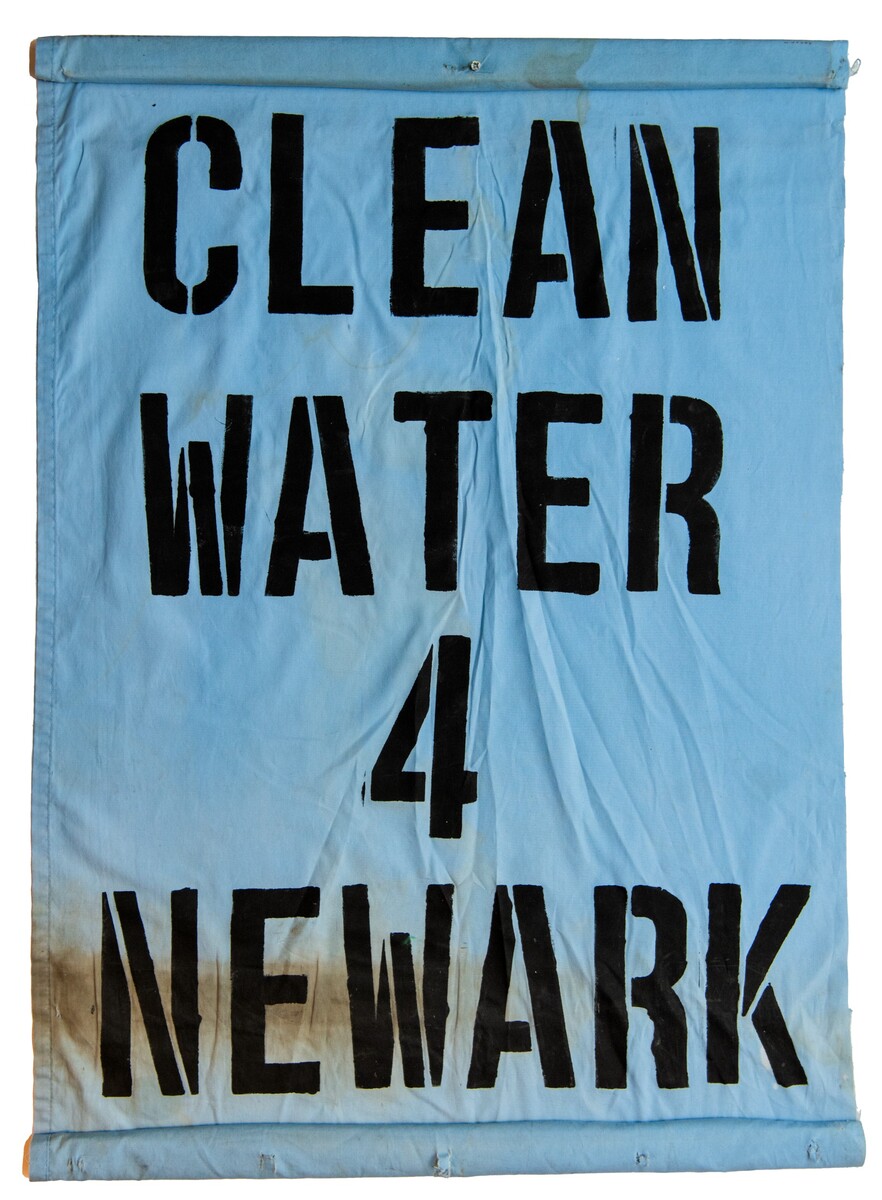
Citizens Taking Action in Newark
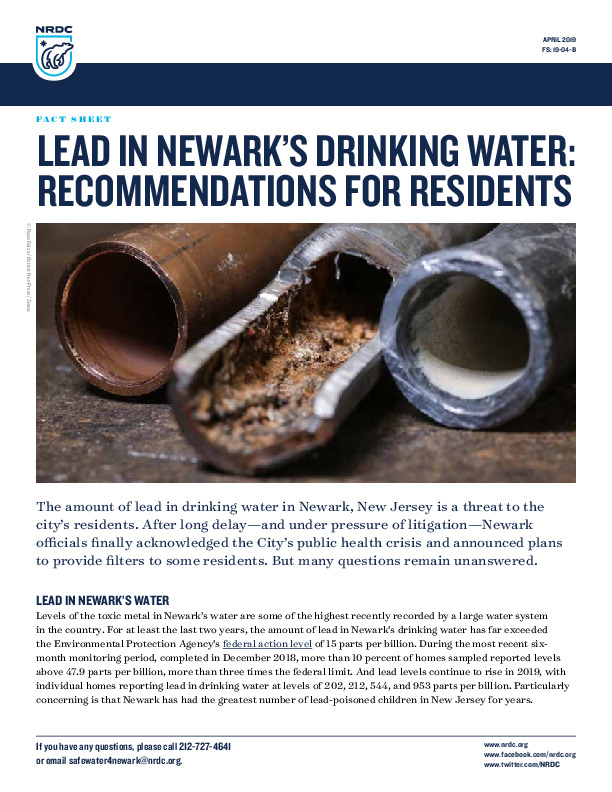
In 2016, after elevated levels of lead were found in water at 30 public schools, the City of Newark, New Jersey downplayed the severity of the problem. In response, a surge of community and national activism was ignited.
Collaborating with Newark’s citizen organizations, the National Resource Defense Council (NRDC) took a major role in addressing the crisis. In June 2018, the Newark Education Workers Caucus, public school educators, and NRDC filed a federal lawsuit alleging numerous violations of the Safe Water Drinking Act and demanded a safe alternative source of water for Newark residents.
In October 2018, the City of Newark began to distribute water filters to citizens. However, lead levels continued to rise, questioning the efficacy of the filters. In February 2019, NRDC asked the court to mandate bottled water to certain Newark residents, including all families with children under six years old. In August 2019, following new warnings from the EPA that the water filters were not adequately removing lead, Newark and New Jersey officials were instructed to provide bottled water to 15,000 homes.
On August 25, 2019, Mayor Baraka announced a plan to expedite replacement of all service lines. In January 2021, the federal case was settled after the City of Newark made significant progress in this effort. The citizen suit secured an ongoing commitment to lead pipe replacement, ongoing free drinking water testing and filters, robust public reporting of water quality, and resources to help Newark residents.
Newark Water Coalition
In December 2018, grassroots activists in Newark, who felt that municipal, state, and federal agencies were failing to address lead in the city’s water supplies, organized the Newark Water Coalition (NWC). In addition to leading protests, NWC began to distribute clean water, first with cases of bottled water and then filtered water in reusable containers provided by the Water Box system. Its home lead testing program not only measures lead in water, but also tests for paint and other sources of lead in homes. By making these data public, NWC is addressing the lack of data impacting communities of color.