
Indigenous Food Movements
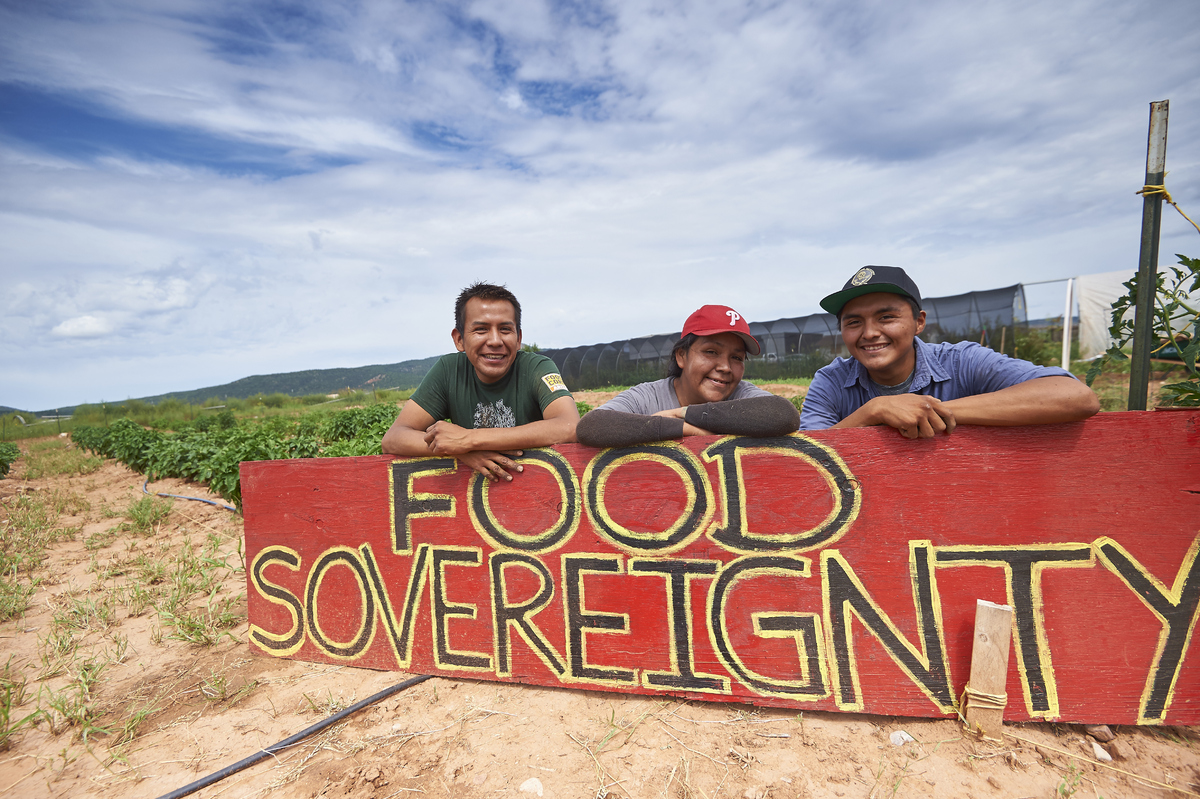
Native American Food Sovereignty
Restoring lands, customs, and culture that have been lost or compromised over the last centuries is integral to Native American sovereignty. Sovereignty refers to the right to govern, protect and enhance the health, safety, and welfare of tribal citizens within tribal territories.
Reclaiming traditional foodways is a case in point. Historically, Indigenous communities that once provided for their own food and survival needs became dependent upon the largesse of the U.S. government in the 19th century. The reasons are complex, stemming from colonization and assimilation policies, including displacement from original homelands.
Today, food sovereignty movements across the U.S. are empowering Native Americans/Alaska Natives (AI/AN) to determine their own policies related to food and agriculture and to revitalize Indigenous knowledge and practices around food. By reclaiming food systems and rebuilding resilient agriculture, they are addressing multiple public health challenges, from food insecurity to heart disease to type 2 diabetes. Restoring Indigenous food systems supports self-determination, wellness, culture, values, and languages and underscores relationships with the natural world.
Click Below to See Examples of Indigenous Foodways
 |
 |
 |