
Data and Health Equity
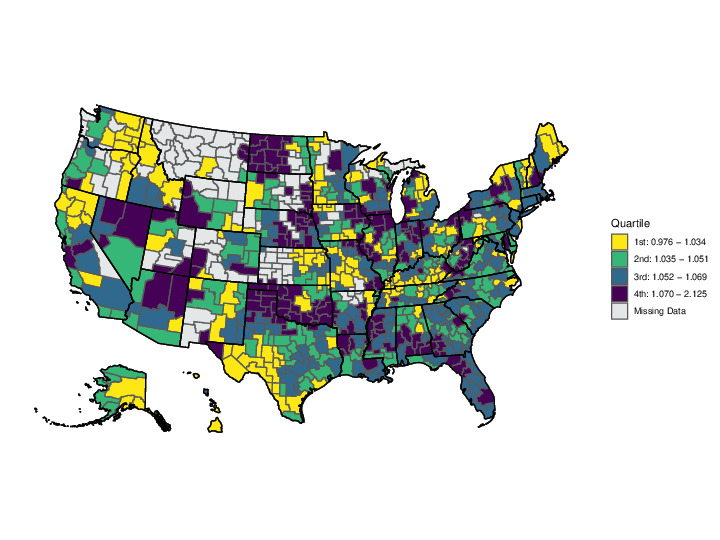
The impact of structural racism passes through all aspects of our lives, including the workplace. For instance, it affects labor markets for individuals, families, and business and industry. Discriminatory policies and practices within institutions disadvantage racial and ethnic minority groups, restricting their access to quality education, job opportunities, and career advancement. Repeated contact with racism during the job search and in the workplace “weathers” the body--leading to numerous unfavorable health outcomes. Indirectly, these unequal opportunities sustain inequities across generations. Employment provides financial and social resources for individuals and their families which support good mental and physical well-being for the entire family unit. On a larger scale, discriminatory practices shrink the pool of qualified individuals’ available to meet employment demands.
In 2022, the University of Minnesota published a study that links structural racism in labor markets and infant birth weights. Researchers were able to connect poor birth outcomes in U.S.-born Southern Black pregnant people to structural racism. Their data reflect the impact of non-health related policies and practices, both historical and current, on the health of future generations.
Why CDC and States Collect Data
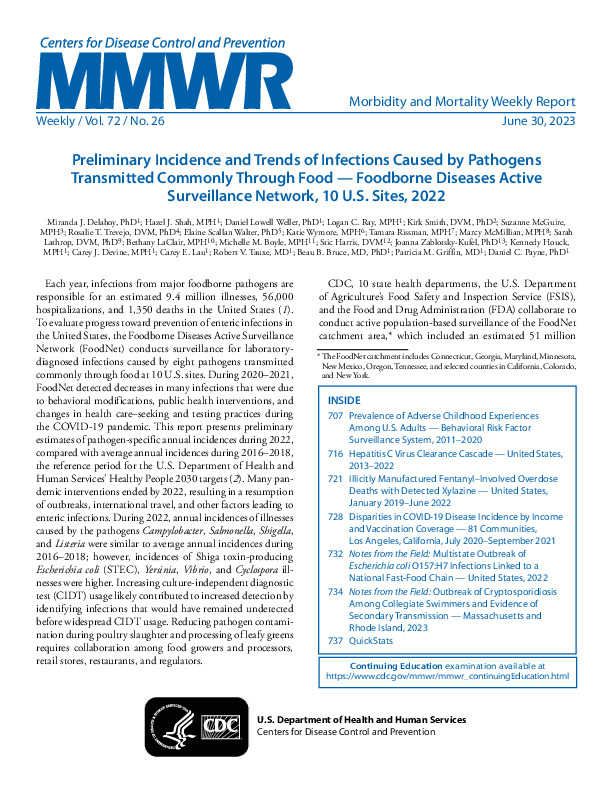
CDC collects data from state health departments to understand the health of the nation. In some cases, states are required to inform CDC of reportable diseases/infections such as foodborne illnesses or STDs and others that they voluntarily report, such as non-fatal and fatal drug overdoses. Reportable conditions are those of public interest by reason of their contagiousness, severity, or frequency. These data can help understand the movement of illness or disease throughout the country, those at greatest risk for illness, disability or death, and the factors that may be contributing to this trend. By gathering information from each state, CDC can spot trends and potential health problems early on, begin to prepare for upcoming challenges, dedicate resources, and notify the public on appropriate actions.
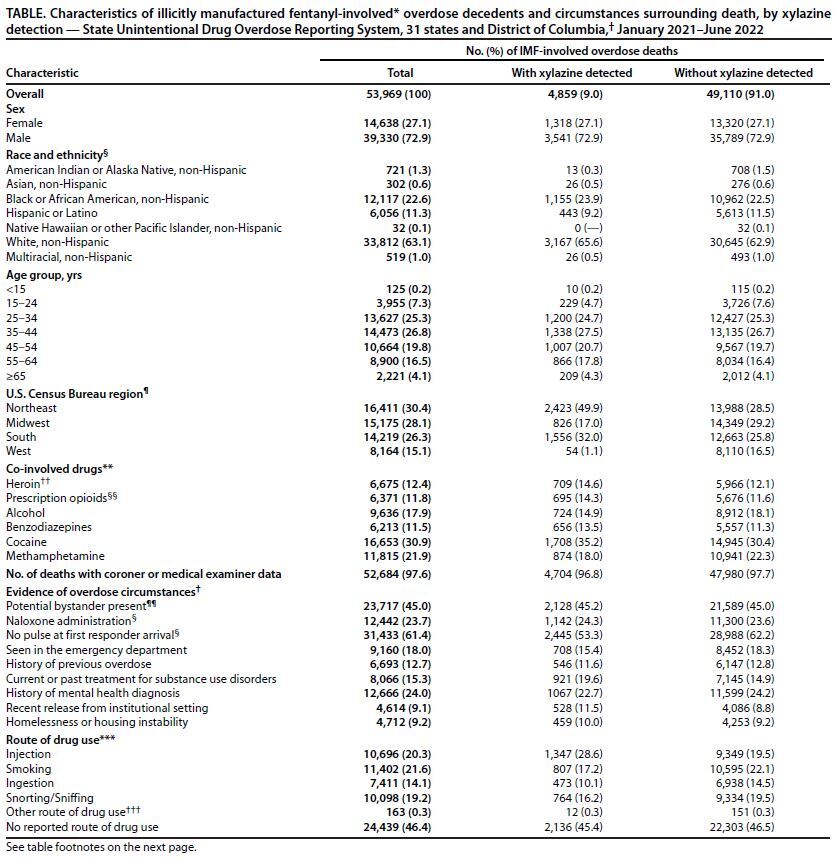
CDC frequently publishes these data in its Morbidity and Mortality Weekly Report (MMWR). For example, this chart reports data gathered through CDC’s State Unintentional Drug Overdose Reporting System (SUDORS), which supports 49 states and the District of Columbia. The goals of SUDORS are to better understand the circumstances surrounding overdose deaths, improve data collection, and understand specific substances contributing to overdose deaths.