Counting Unsheltered Populations across the U.S.

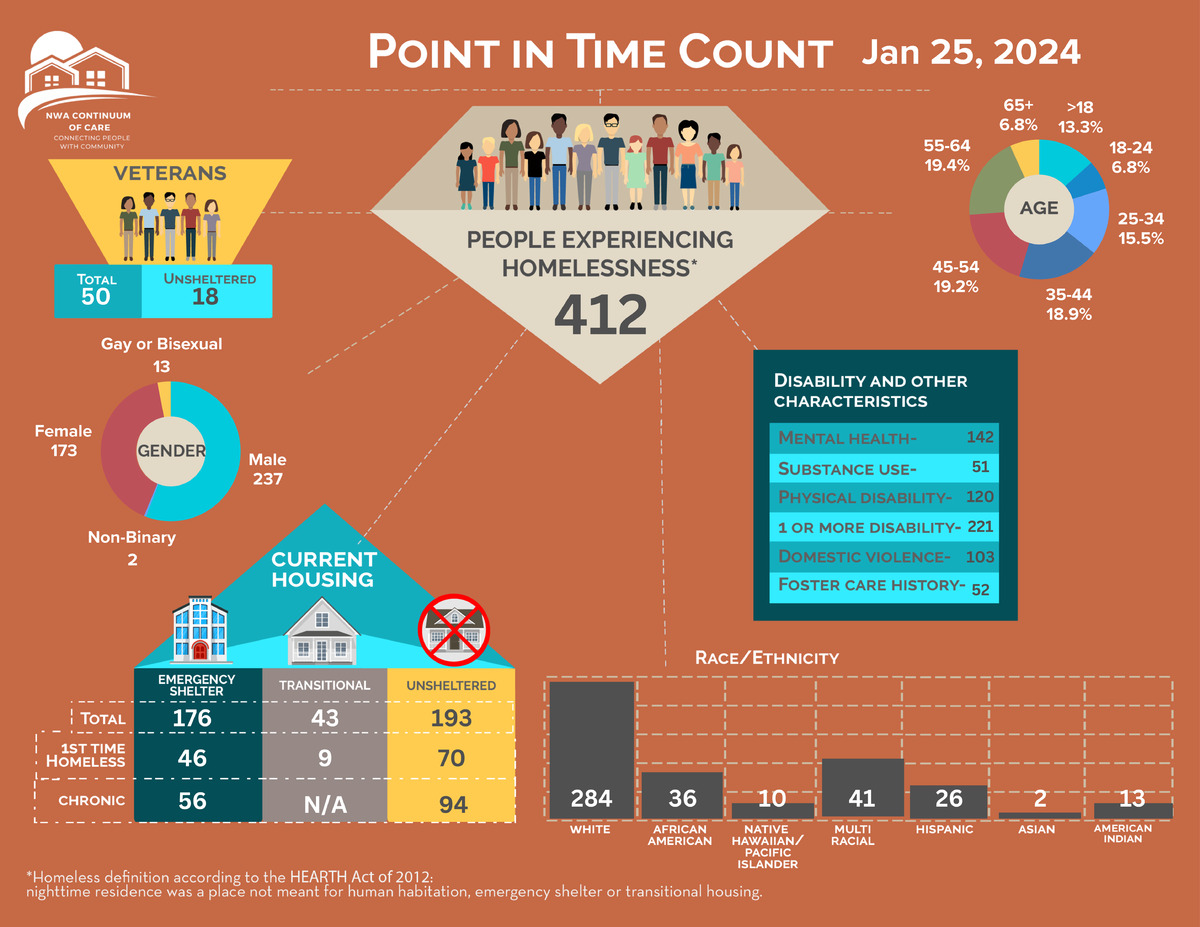
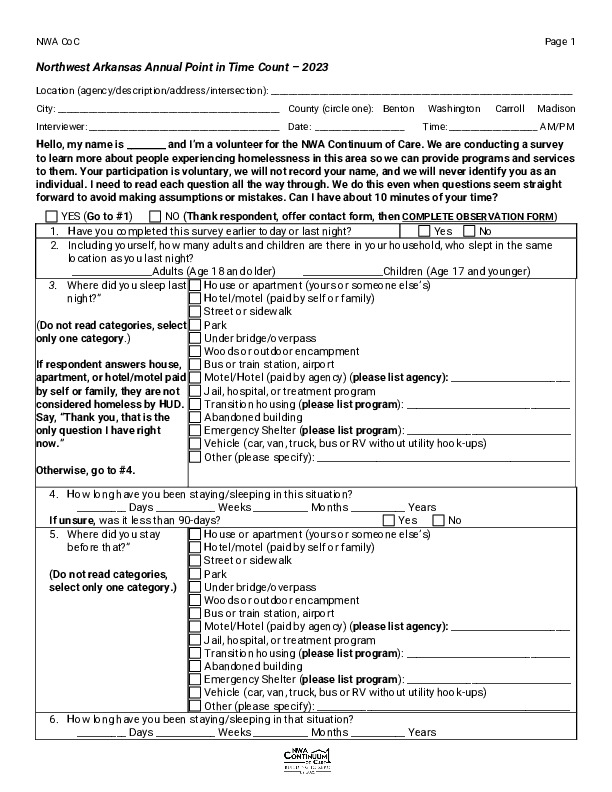
Launched in 2007, the Point-in-Time Count, or PIT Count, is an annual survey which counts people experiencing homelessness in the U.S. conducted by local agencies called Continuums of Care (CoCs) on behalf of the U.S. Department of Housing and Urban Development (HUD). HUD requires communities--from large urban centers to rural areas--to complete the count to receive federal funding for services for unhoused individuals. The gathered data help show the service needs of people experiencing homelessness within each CoC region.
HUD’s 2023 report found that more than 650,000 people in the U.S. lacked permanent shelters. That represented the most documented cases of people experiencing homelessness since the inaugural report produced in 2007 and reflected a 12% increase over 2022. Several factors drove this increase, such as rising housing costs, surging immigration, and the end of many COVID-19 relief programs.
The nationwide surveys take place in late January with each CoC recruiting outreach workers, public safety officers, and thousands of volunteers (including many CDC-ers here in Atlanta, Georgia) who work into the wee hours of the night locating and counting unsheltered people. Multipliers may be used to determine how many people might be living inside tents and vehicles. PIT counts are widely understood to undercount the number of people experiencing homelessness. Regardless, the data provide critical information.