
The Right for a Safe Workplace
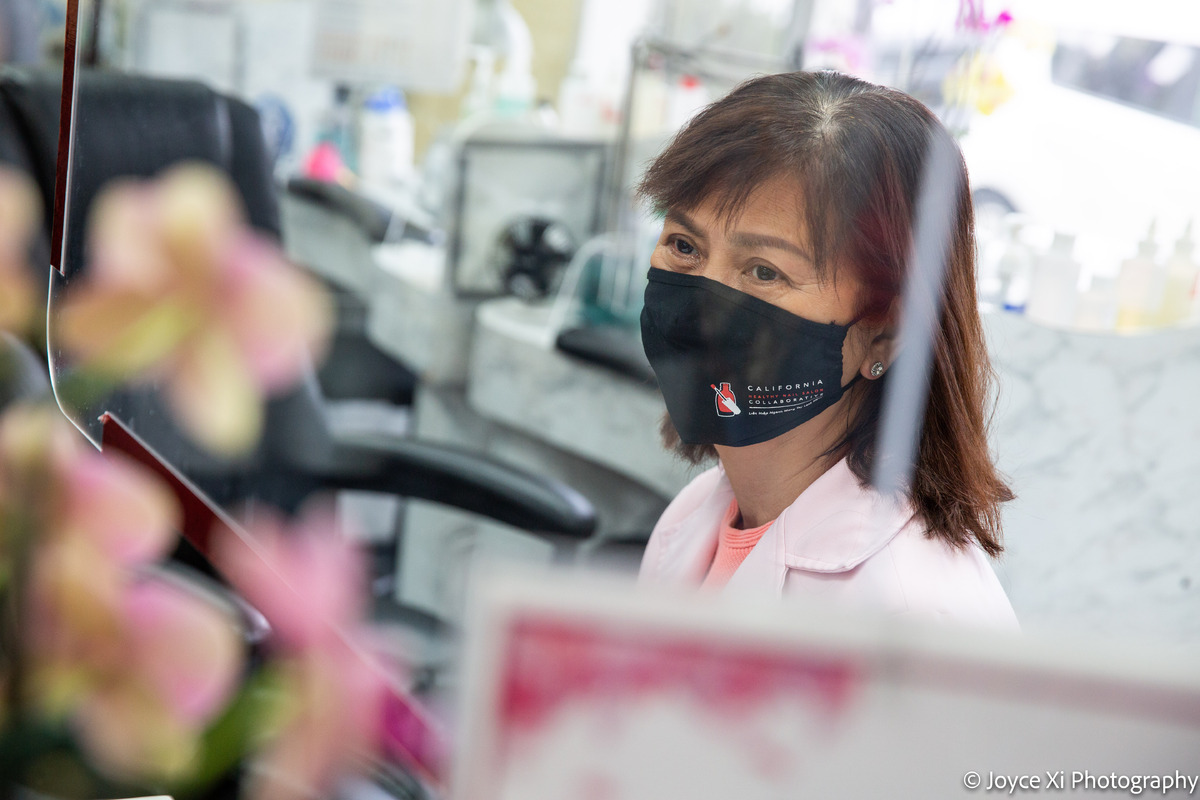
Workers’ health is a crucial social determinant of health because the conditions in which people work directly impact their physical, mental, and social well-being. Workplaces that are safe, supportive, and promote health can lead to improved health outcomes for employees, including lower rates of occupational injuries, reduced stress levels, and enhanced overall health. Conversely, jobs that expose workers to hazardous conditions, physical strain, or high levels of stress can increase the risk of injuries, chronic diseases, and mental health issues. Factors such as job security, work hours, and access to benefits like healthcare and sick leave also play significant roles in determining worker health. Employment and working conditions also intersect with other social determinants, such as income, social support, and access to health services, further influencing health outcomes.
Here are some examples of how community advocates in partnership with public health, including CDC’s National Institute for Occupational Safety and Health (NIOSH), are working to address workplace safety, particularly for those working in physically demanding and/or low-wage jobs.
Click Below to Learn More About Creating a Safe Work Environment to Increase Health Equity
 |
 |
 |
 |