
Culture and Language as Protective Factors
Starting in 1860, the U.S. government sent Native American children to government or church-run boarding schools, separating them from their families and culture and prohibiting them using indigenous languages. This practice, a catalyst for historic trauma, didn’t end until the 1970s. The emotional and often physical punishments the children suffered deterred generations of Native Americans from passing on their languages, leading to the endangerment or loss of many indigenous languages.
Similarly, the overtaking of the Kingdom of Hawai`i by Americans and Europeans in the late 1800s led not just to the creation of the 50th state, but also to laws that required English-only instruction in schools. Children who spoke their native language, Hawaiian, on playgrounds were often punished.
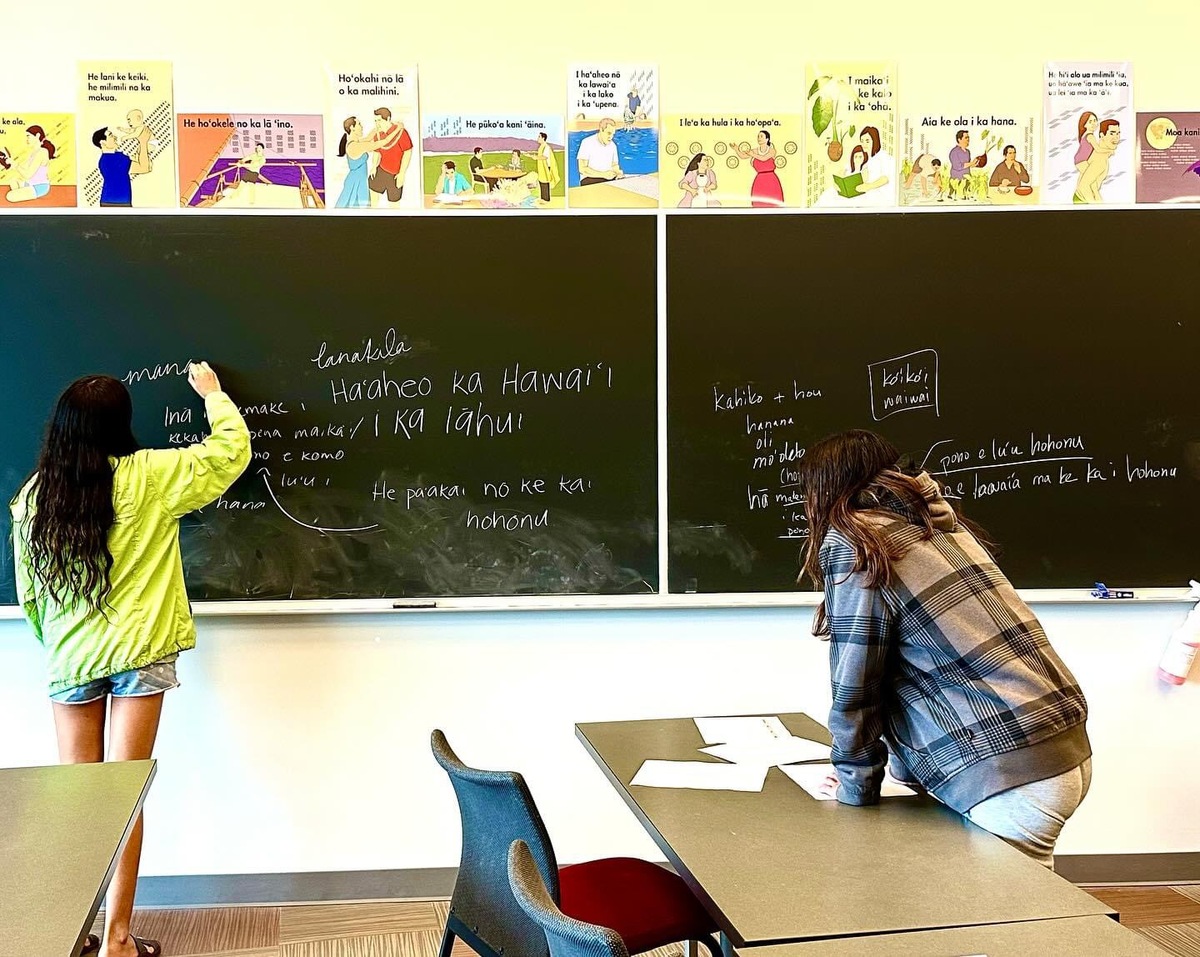
In recent years, Indigenous groups have been actively working to revitalize and preserve the 150 Native languages spoken in the U.S. Language immersion programs targeting pre-school and K-12 students ensure a new generation of Native speakers. As stated by the First Nations Development Institute, “Native American language learning gives rise to many positive, cultural and economic impacts and, further, it can be life transforming, promote individual healing, and lead to cultural revitalization through the transmission of cultural values and knowledge that can’t be taught otherwise.”
Kaiapuni Classes
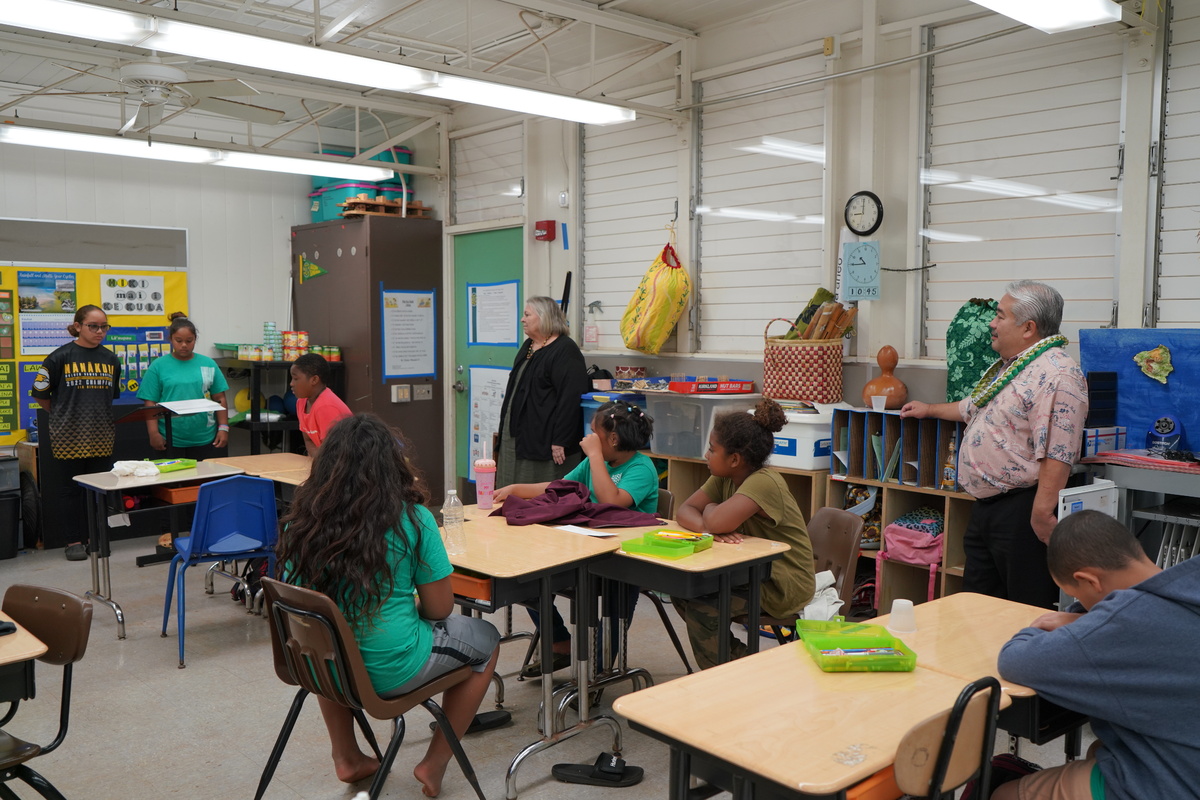
The Hawai’i State Department of Education has taken an active role in offering Kaiapuni classes as a strategy to preserve Hawaiian culture. The Department contributes to Hawaiian language revitalization by providing for K-12 Hawaiian language education. Kaiapuni schools deliver instruction exclusively through the medium of Hawaiian language. English is introduced as a subject starting in grade 5.
The word Kaiapuni comes from the Hawaiian “kai” for ocean and “a puni” to be surrounded by or immersed. So the word Kaiapuni means being surrounded or immersed as a person in the sea.
Tlinglit & Haida Language Revitalization
Raven and the Salmon House (Yéil ḵa Kudatankahídi)
Animated book and Lingít language lesson
Courtesy of Tlingit & Haida Indian Tribes of Alaska and the Goldbelt Heritage Foundation
This ancient story tells us how Raven brought the critical salmon resource to all Tlingit people of Southeast Alaska. Originally translated by Kaxwaan Éesh George Davis, Shaksháani Marge Dutson, and Ḵaanáḵ Ruth Demmert, the animation is narrated by Naakil.aan Hans Chester and is illustrated by Nick Alan Foote and Kelsey Mata-Foote.
This animation is part of “Our School is Being Strengthened” book and video series meant to revitalize the Linglít language (spoken by the Tlinglit people) and Xaad Kíl language (spoken by the Haida people) in Southeast Alaska. The series includes language lessons and is meant for all ages and reading levels.