
Through the Lens: Experiencing Homelessness During COVID-19
Understanding Homelessness Through Lived Experience
In 2020, the Cottage Center for Population Health and Santa Barbara Alliance for Community Transformation (SB ACT) led a collaborative research study to better understand the COVID-19 pandemic’s impact on people experiencing homelessness (PEH) in South Santa Barbara County, California. Individuals experiencing homelessness joined the research team as co-researchers and shared their experiences during the pandemic.
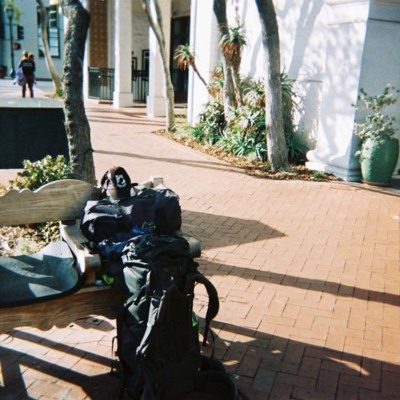
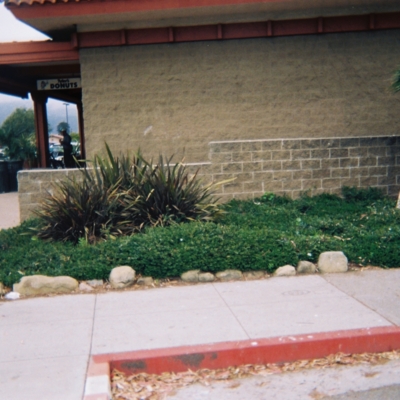
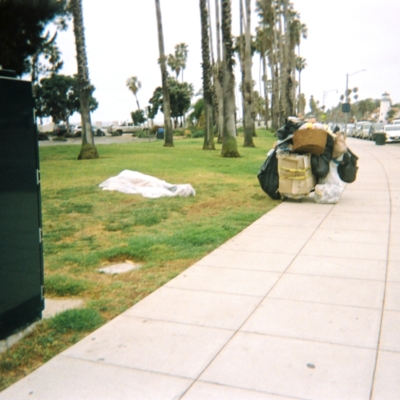
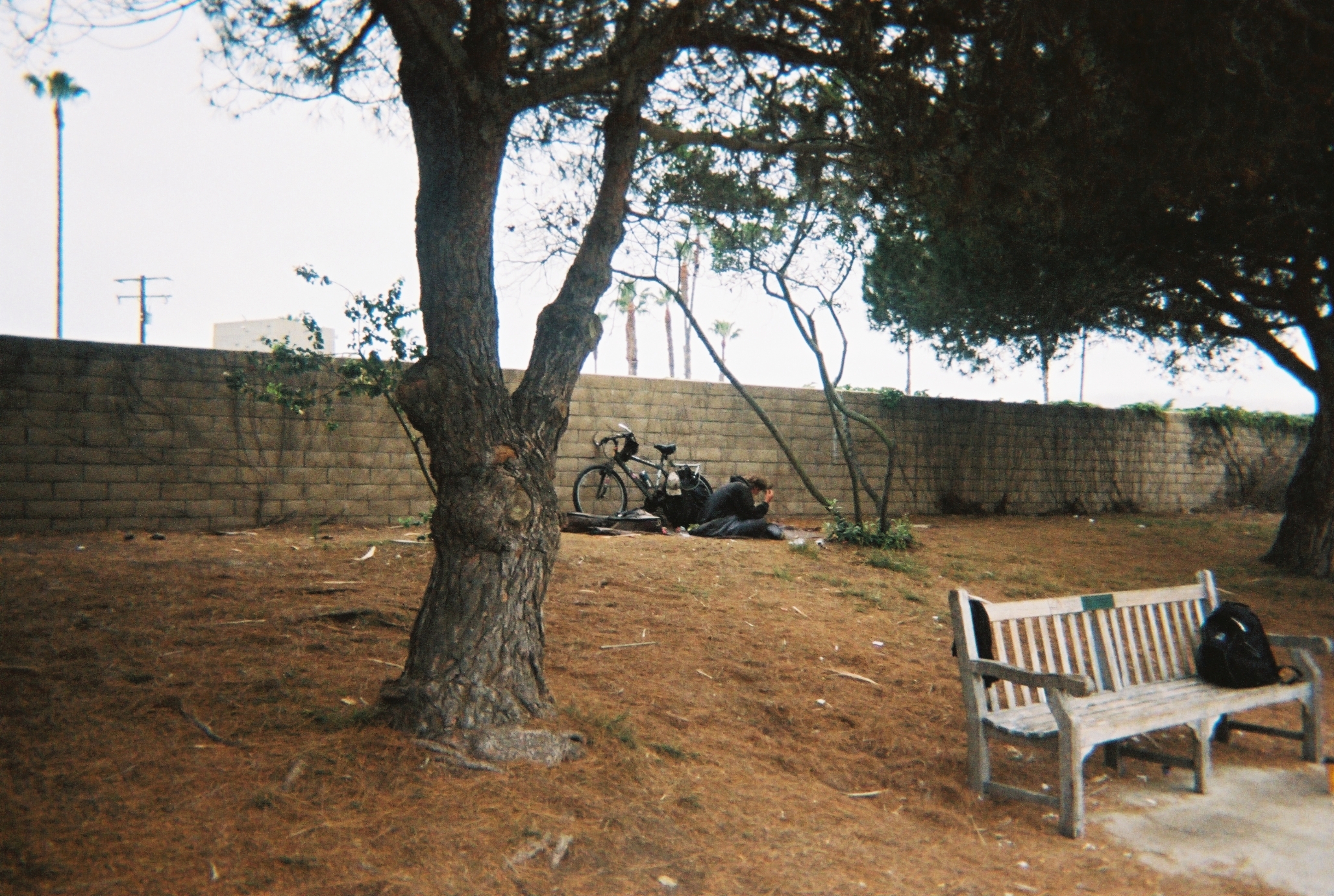
Co-researchers were asked to take photographs using disposable cameras reflecting their thoughts and feelings in response to the prompt: “What do we want those in power to know about us and our everyday struggles with homelessness during the COVID-19 pandemic?”
Touching on themes of perceptions, hope and faith, isolation, access, negative impacts and change, co-researchers showcase their exacerbated daily challenges, frustration with contradicting policies, and feelings of isolation and increased marginalization through their photographs. Co-researchers emphasized the importance of people experiencing homelessness having a voice in making decisions affecting them.
Co-researchers created titles and captions for their work, offering a look into their lived experiences.
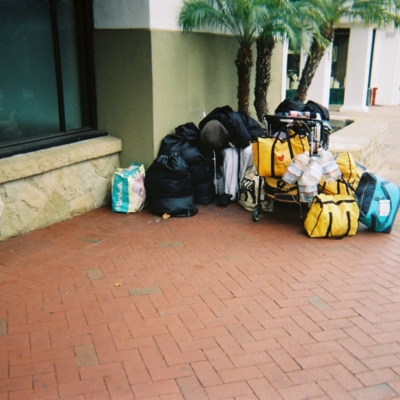

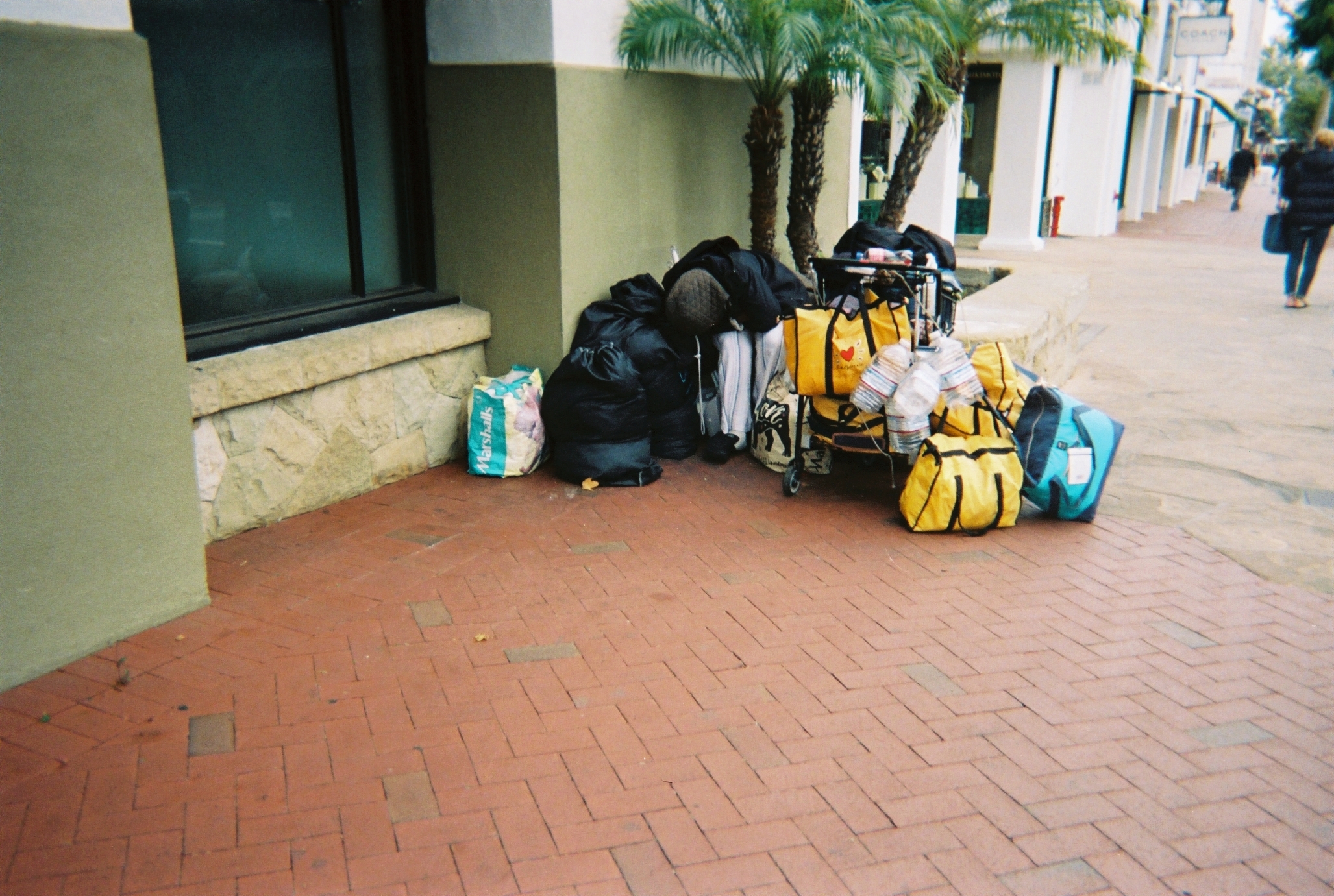
Youre a Person
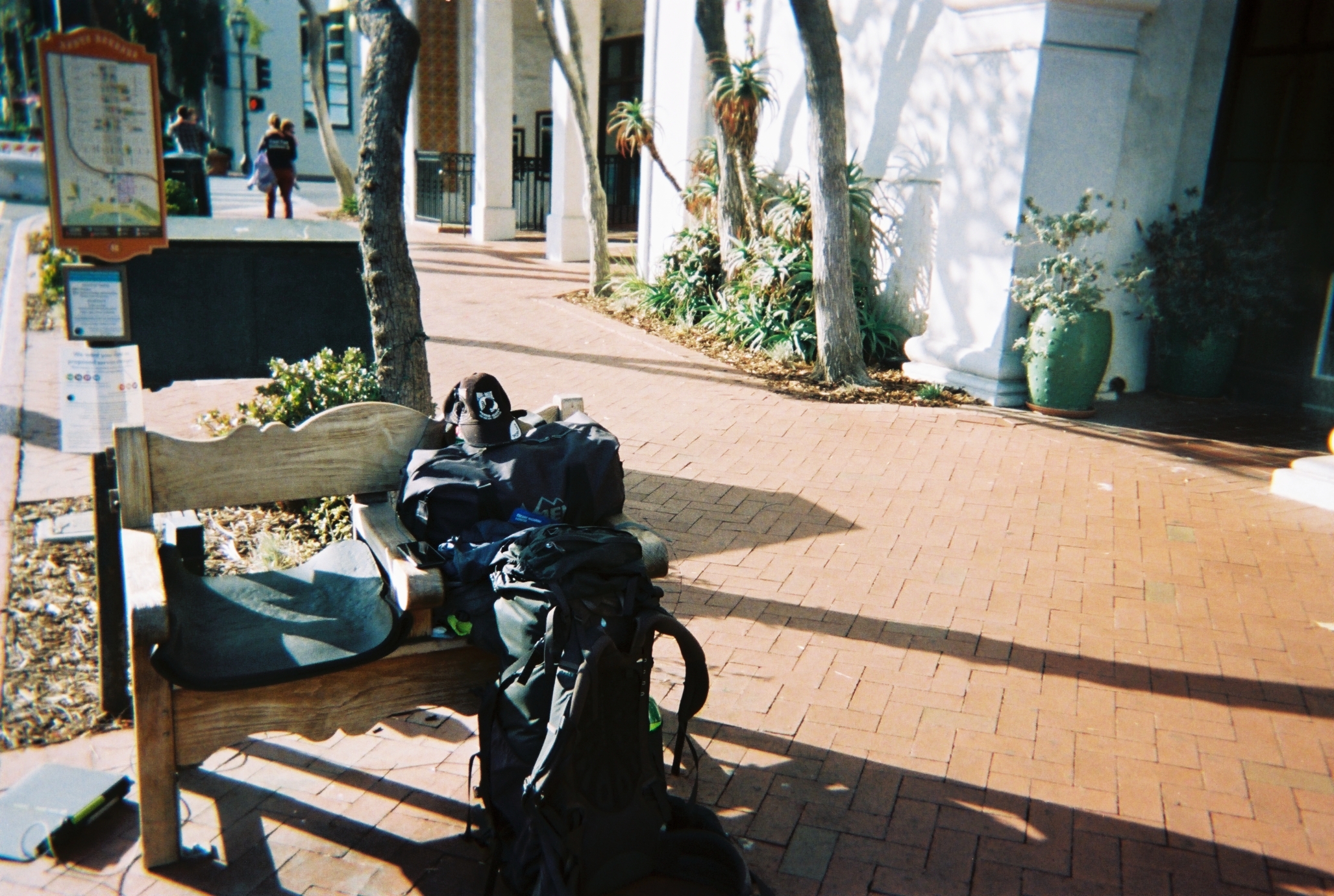
You are only as safe as surroundings
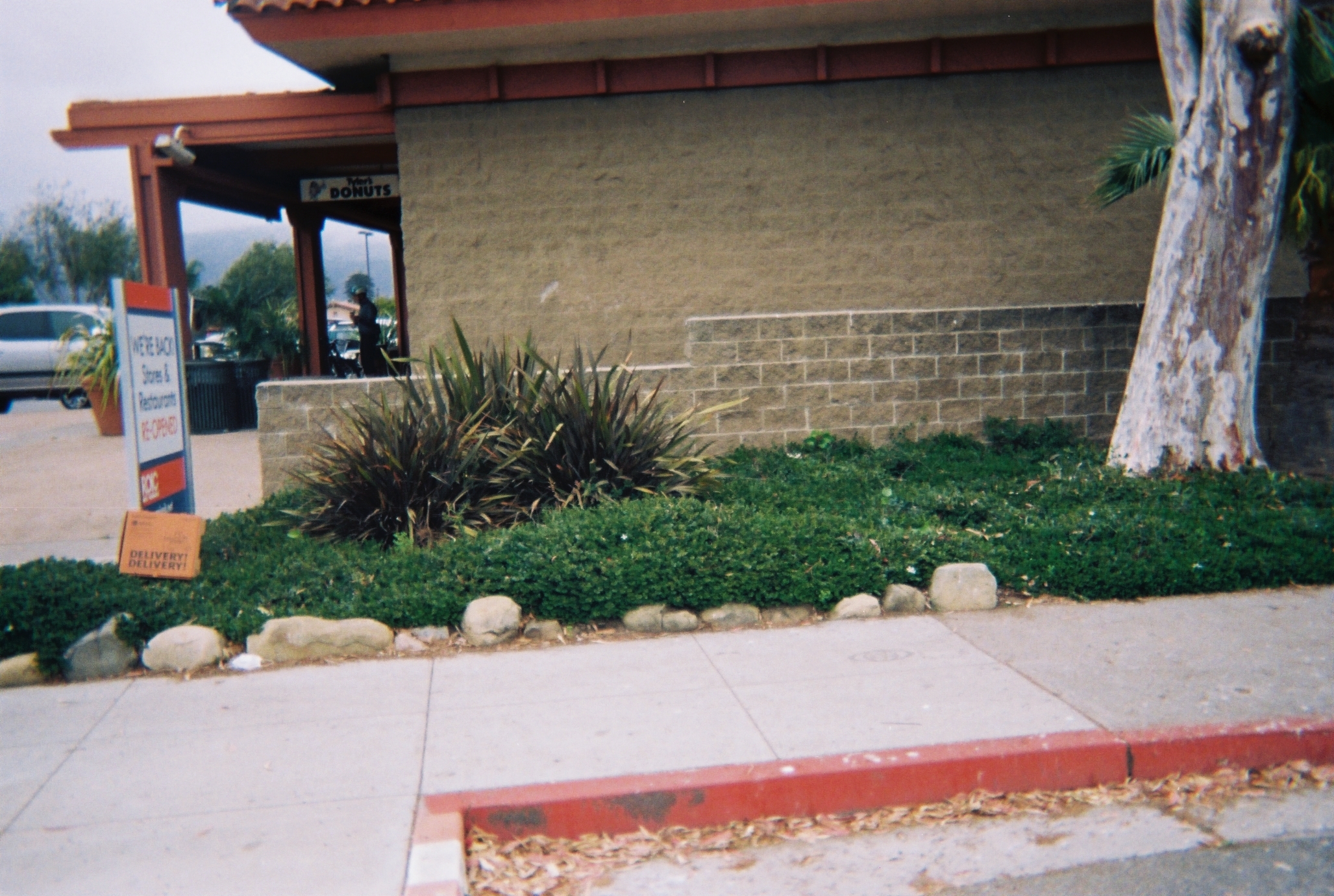
Welcome to Carpinteria
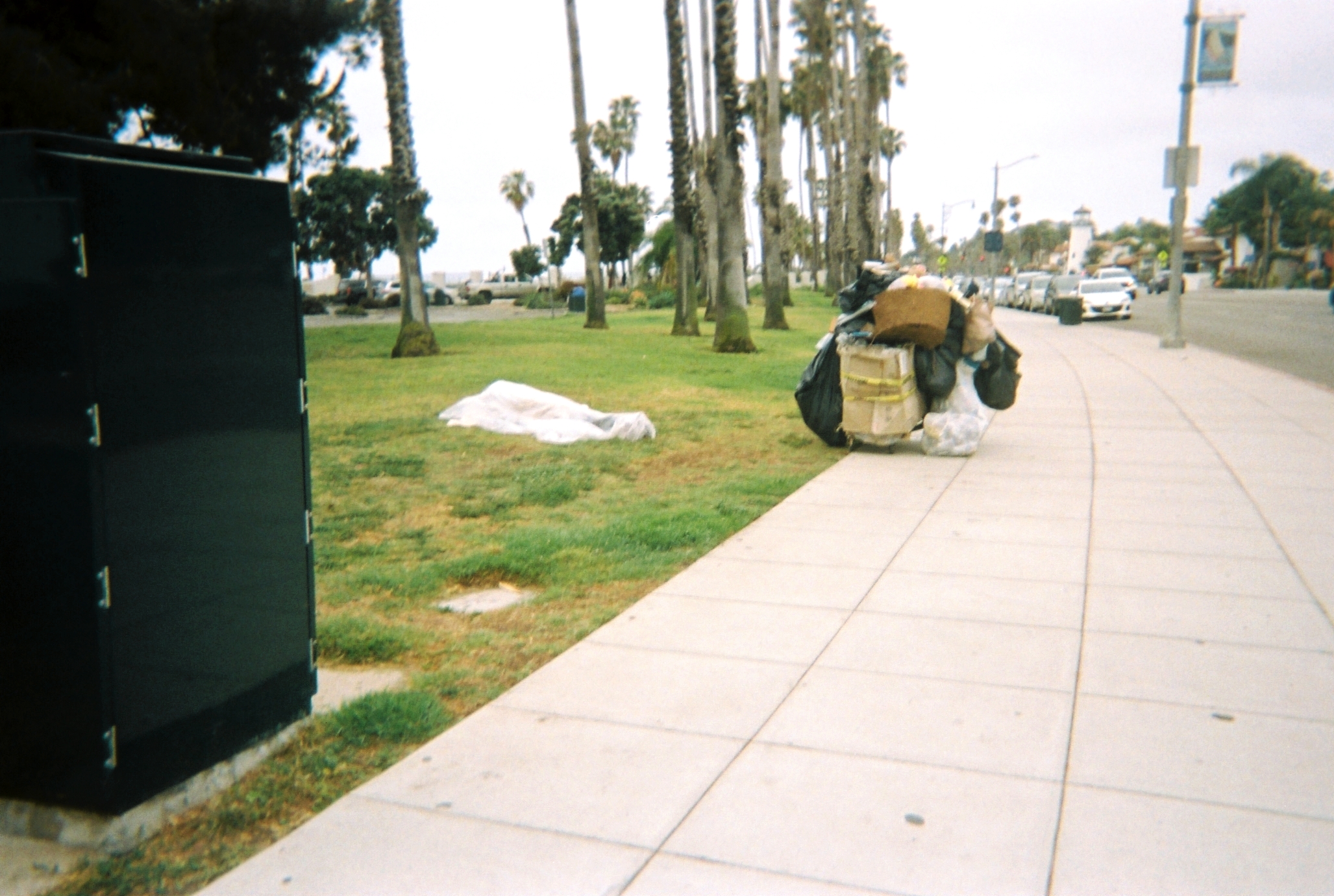
Homeless or Medical Emergency

Walk to Nowhere
Perception
Before the pandemic, co-researchers noted that the public’s perceptions of PEH are often based on negative stereotypes. Co-researchers experienced policies that criminalized routine aspects of homelessness such as bans against sitting or lying down in public places, parking restrictions, and “sweeps” conducted by law enforcement to remove PEH from public areas. They argued that these policies rely on perceptions of “the homeless” as criminals and take public spaces away from the public.
During the COVID-19 pandemic, co-researchers observed both positive and negative changes in perceptions by the larger, housed community. Positive changes included the feeling of “being seen” by the housed community more frequently and having positive interactions with them on the street. Negative changes included the housed community stigmatizing PEH as unsanitary, dirty, and carriers of COVID-19. Their photographs touch on instances where they challenged negative perceptions to advocate for themselves.






Art is Freeing

Million-Dollar View

To Whom it May Concern, Thank You
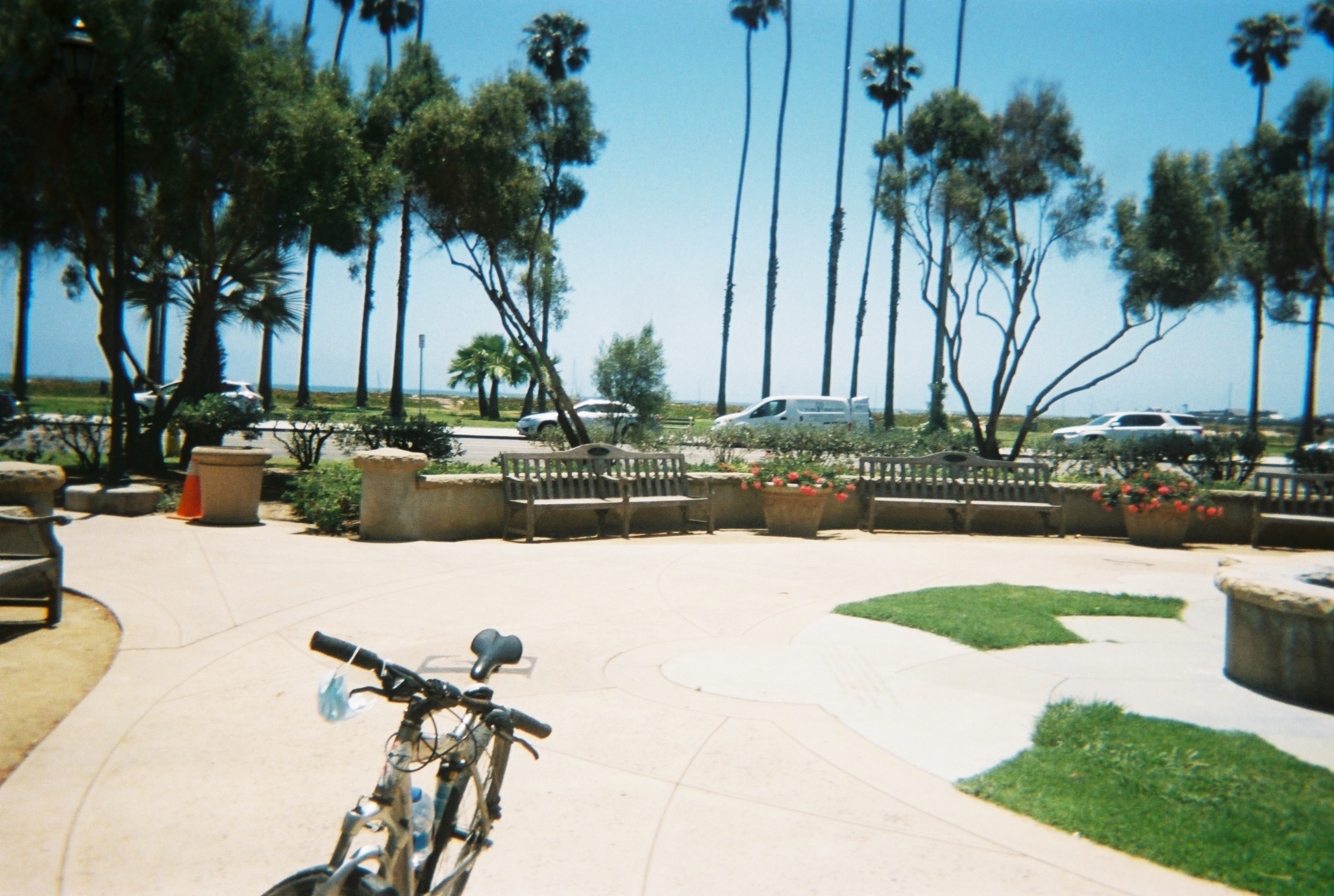
Beauty Beyond the Anger

The Tea Party
Hope, Faith, and Connecting with Others
Two interconnected themes in the co-researchers’ photographs are hope and faith. Co-researchers expressed the importance of faith and spirituality which they described as something that “kept them going.” Faith and spirituality were sources of hope and a way to connect with like-minded people during the pandemic. Co-researchers also maintained hope by focusing on kindness from strangers, extra social services provided to them when available, and sources of support established during the pandemic. In other instances, co-researchers described relationships with friends and pets as a source of emotional support.
Some co-researchers used the time during the pandemic to engage in therapeutic outlets, such as art, reading, or spending time in nature.




Everybody Gotta Go Sometime

Free Electricity for Everyone
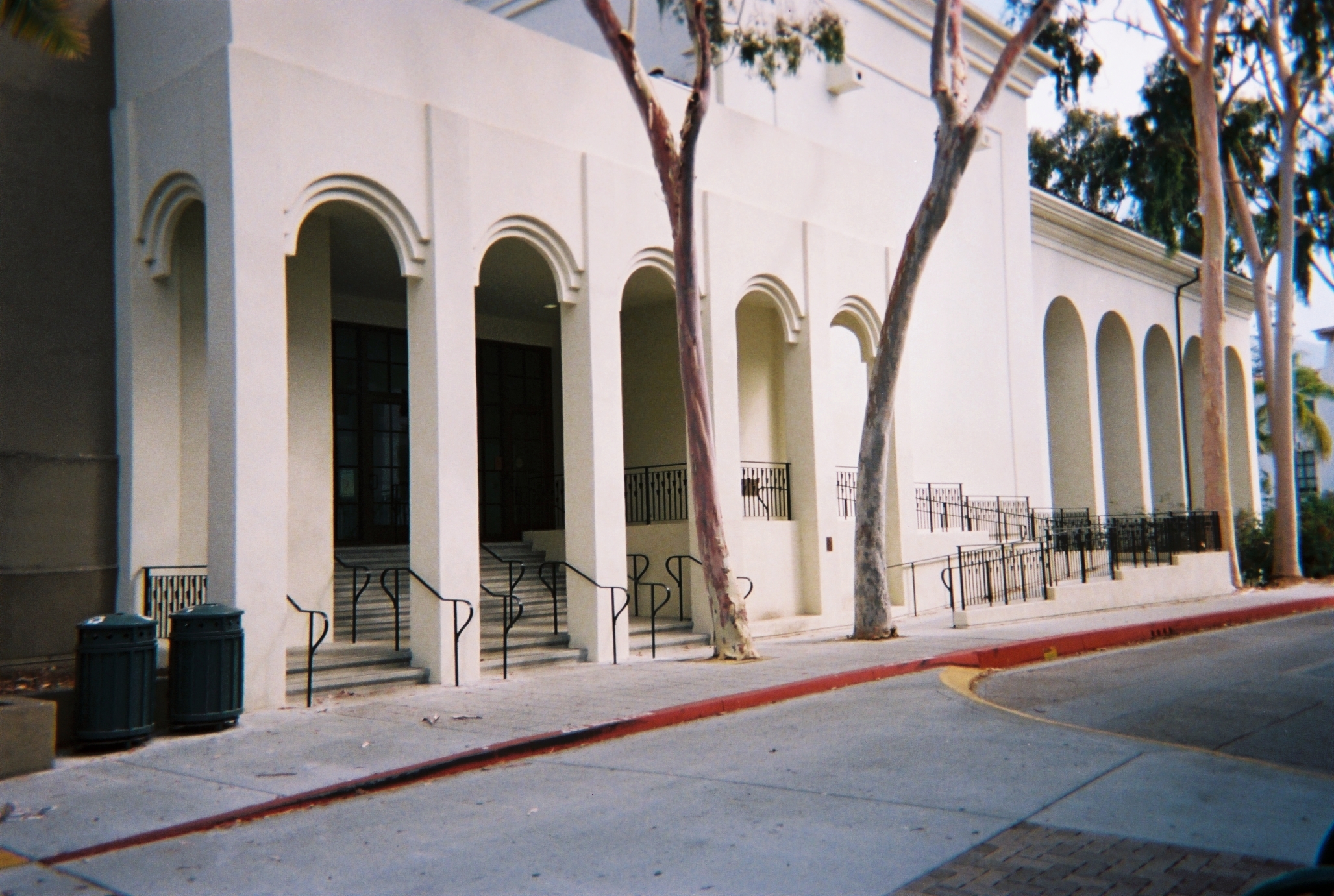
COVID to The Extreme

Reality
This Building
Access to Resources
Co-researchers described how access to resources, such as social services, programs, and physical items that they needed were negatively impacted during the COVID-19 pandemic. Closures to public restrooms and the public library drastically changed co-researchers’ daily routines and made it difficult to access electricity and essentials for basic hygiene. As restaurants and places of worship closed, co-researchers had more limited options to access safe places to rest and shelter.
However, co-researchers were resourceful and were able to find ways to meet some of their needs such as locating electrical outlets in public parks or gyms that remained open to access showers. Due to the pandemic, fewer people were in line to receive public resources in Santa Barbara, which allowed co-researchers to receive more personal attention from social service providers.
Using the Results
Co-researchers advocated for changes to improve their quality of life and encouraged their fellow community members to work together with PEH past the pandemic. Co-researchers strongly recommended that PEH's voices be heard in policymaking and resource allocation meetings, especially when discussing policies that affect their everyday lives. Whereas the COVID-19 pandemic response often focused on testing and quarantine, co-researchers pointed to needing help meeting basic needs and accessing resources.
The study findings were shared broadly with the Santa Barbara community leaders, social service providers, and the general public to help spread awareness regarding people experiencing homelessness during a crisis response.
“Make them more aware that there are people that are suffering. Bring to light that, hey, this is a person that needs help, and if you can't see that because of whatever reason, your own judgment or belief…they can be helped…And all they need is, I always say, “a hand up and a boot down.” And seems like most people just want to be listened to. They want to be heard.”
– Co-researcher, Cottage Center for Population Health and Santa Barbara Alliance for Community Transformation