
Ventanillas de Salud
A disproportionately small percentage of the Mexican population in the U.S. has adequate access to health services. Barriers include socioeconomic factors such as working in low-paying occupations and reduced access to health insurance. Language is another barrier, as well as fears of discrimination or legal repercussions due to immigration status.
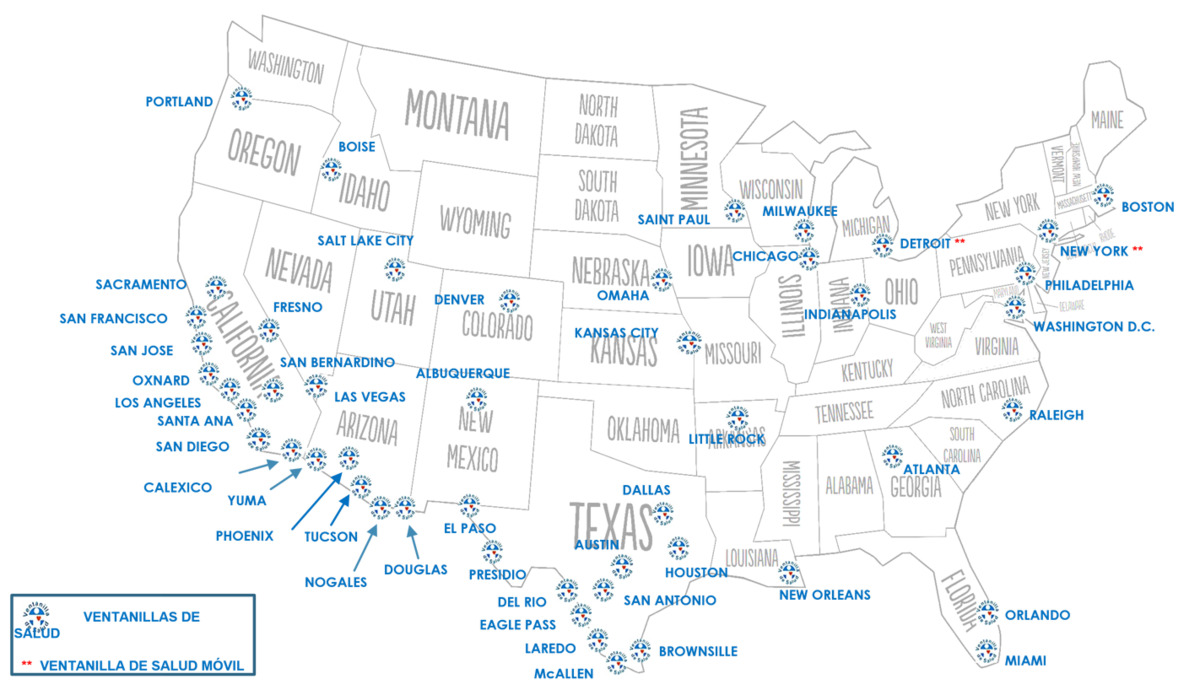
Launched in 2003 by the Mexico Ministries of Health and Foreign Affairs and leveraging the Mexican consular infrastructure in the U.S., Ventanillas de Salud (VDS/Health Windows) is a strategy to address these issues. In the waiting rooms of Mexican consulates across the U.S, VDS connects people who are medically underserved--regardless of their immigration status--with a network of partner organizations including community-based organizations, healthcare establishments, and universities. The program improves access to primary and preventive healthcare services; promotes health awareness and healthy lifestyles; and provides information, education, on-site medical screenings, counseling, and referrals to quality healthcare facilities. Since it began, millions have been served.
University of Arizona Partners with VDS
The Mel & Enid Zuckerman College of Public Health, University of Arizona is a VDS partner, providing services in Mexican Consulates in Phoenix and Douglas, Arizona. Preventive care services include health screenings for blood pressure, cholesterol levels, and HIV. University of Arizona VDS staff offer guidance on proper nutrition, diabetes, women’s health and children’s health, mental health, addiction prevention, and sexual health. When appropriate, they refer clients to community clinics or specialized medical service.
Ventanillas de Salud services are secure, confidential, free and in Spanish, regardless of immigrant status.
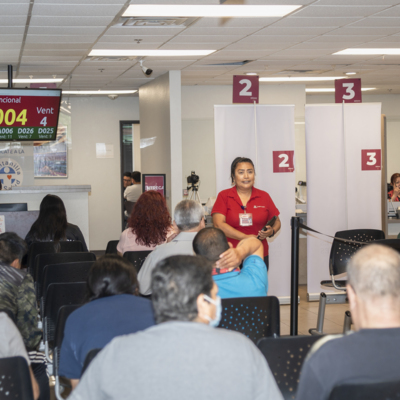
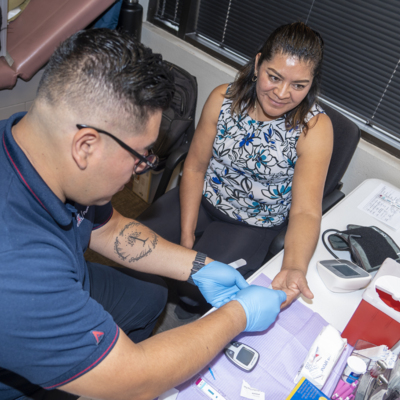
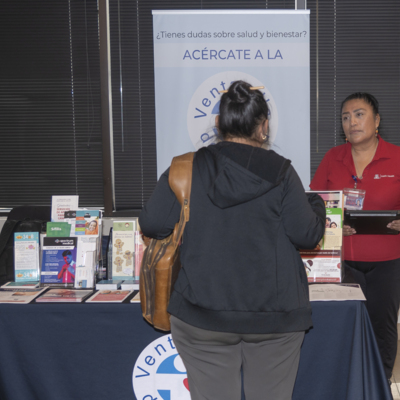
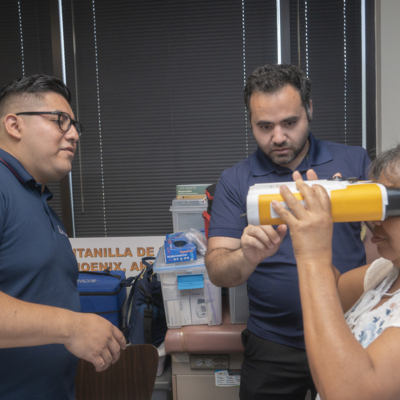
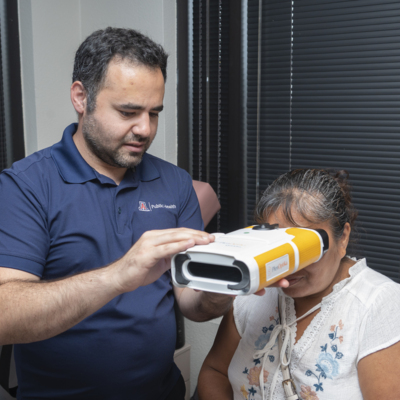
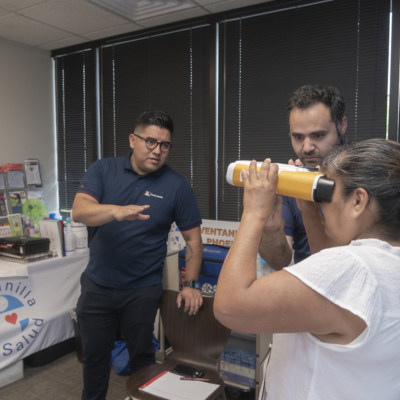
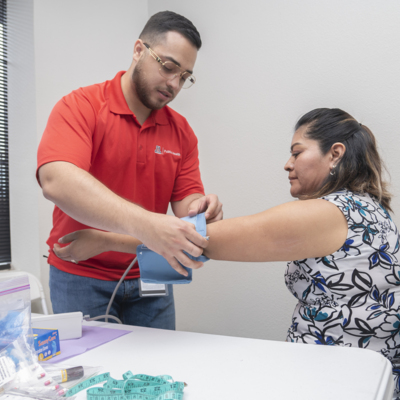
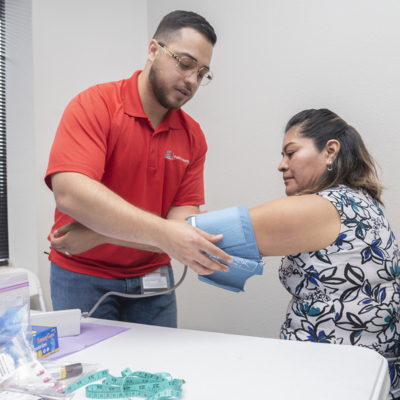
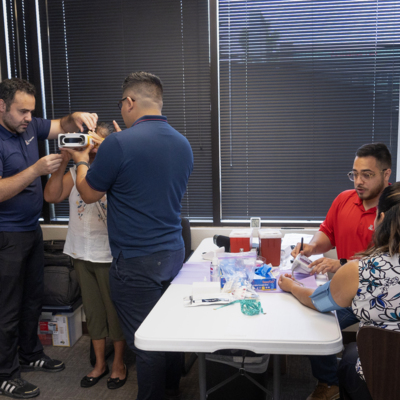
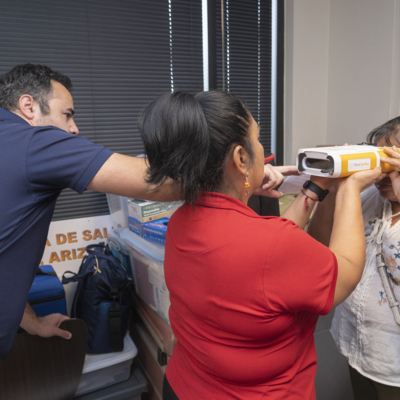
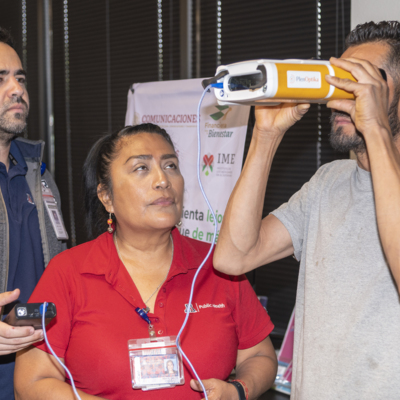
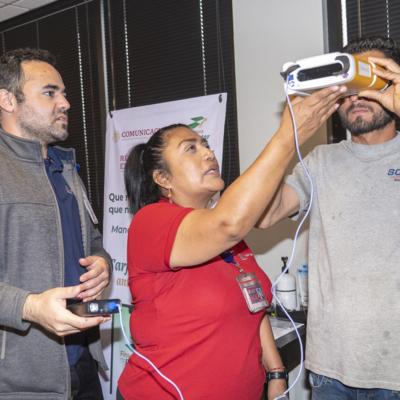
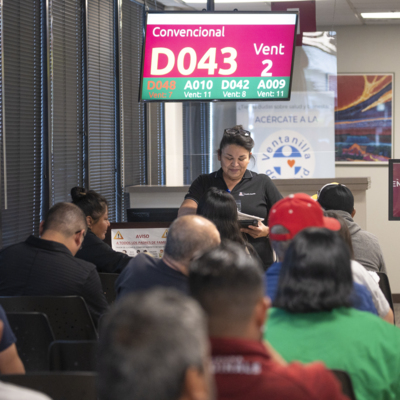
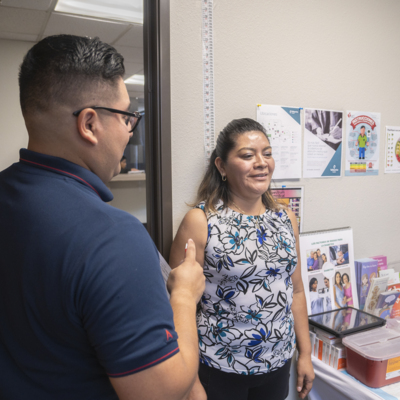
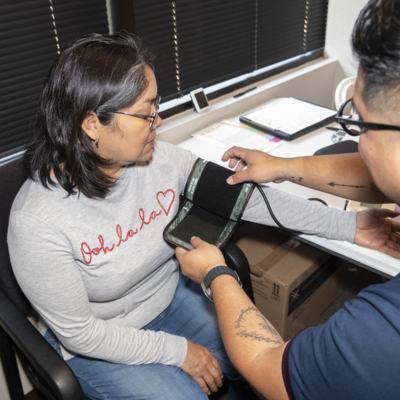
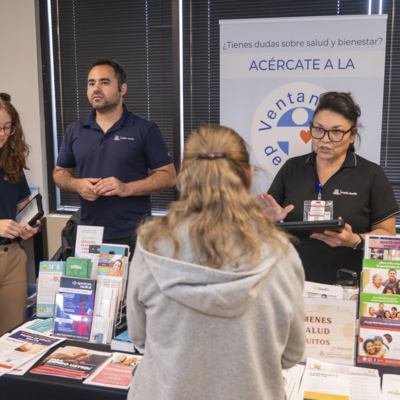
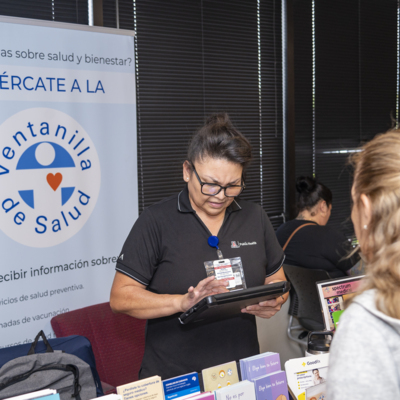
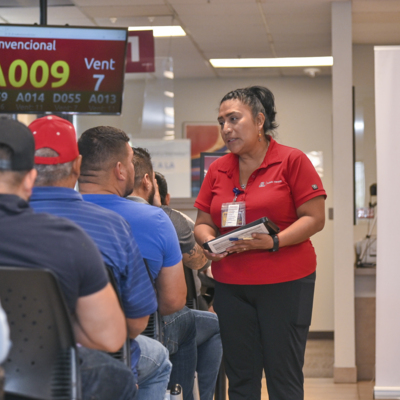
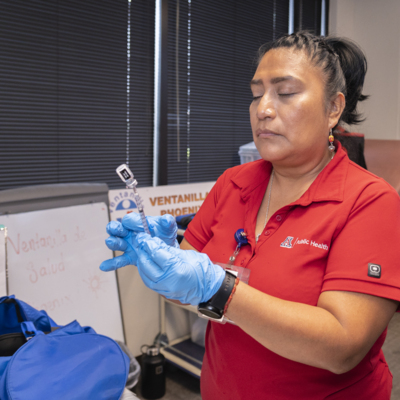
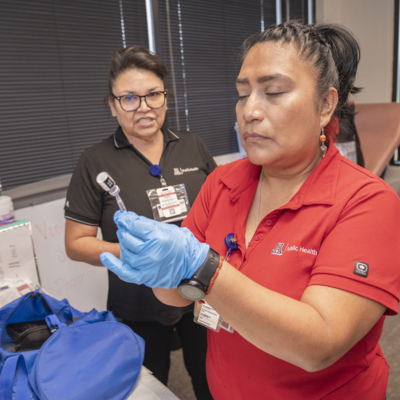
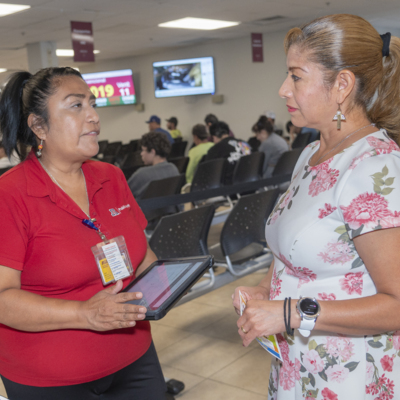
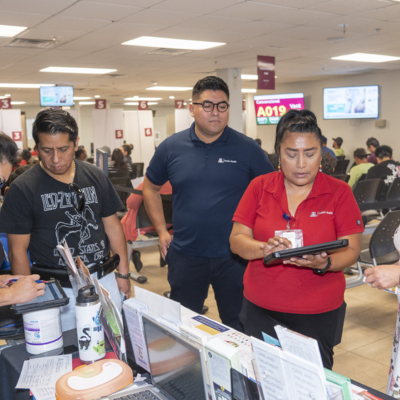
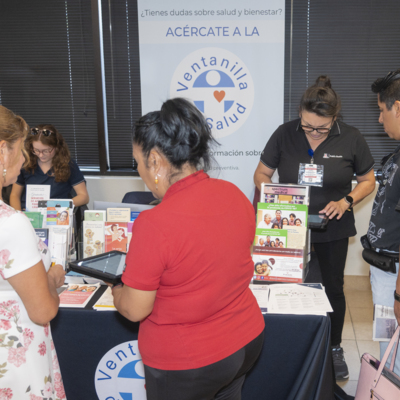
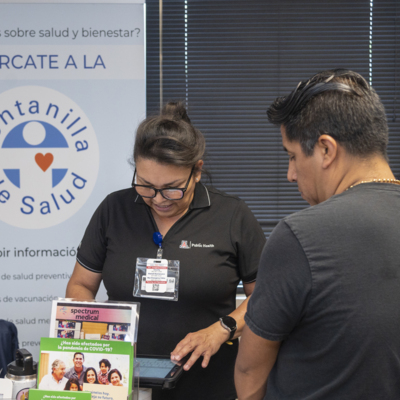
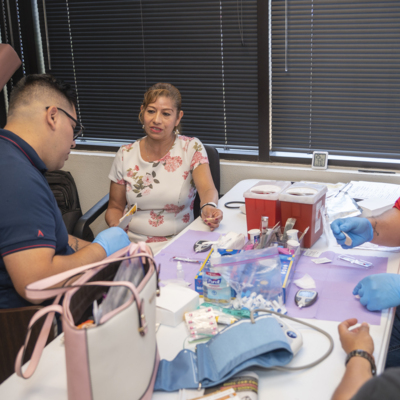
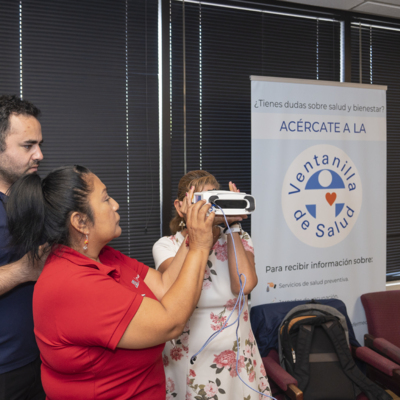
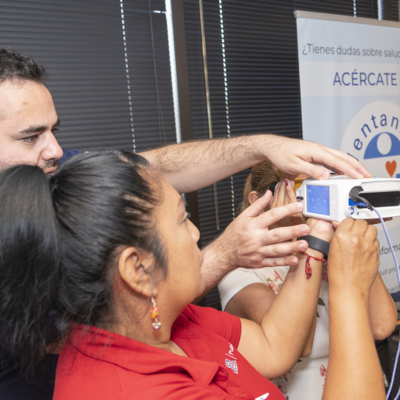
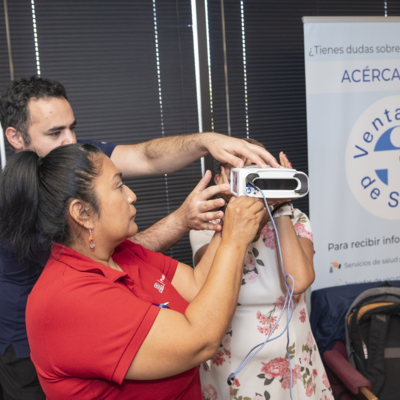
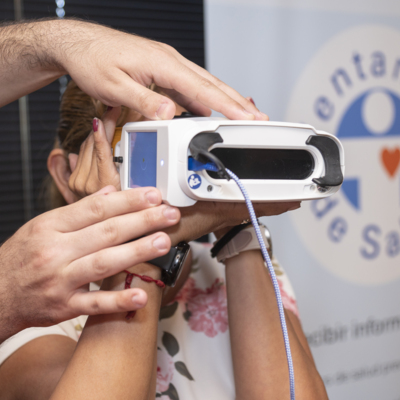
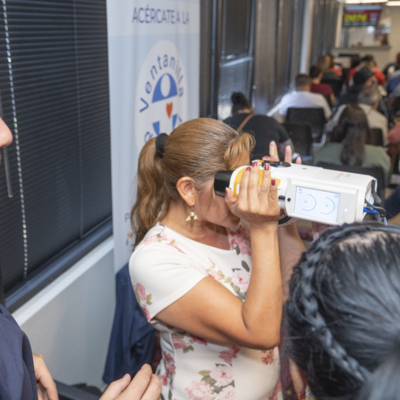
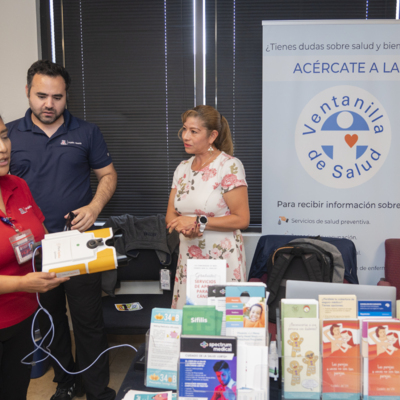


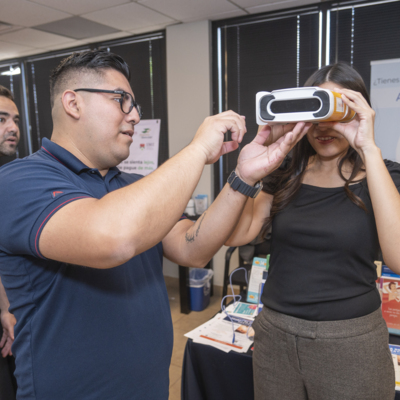
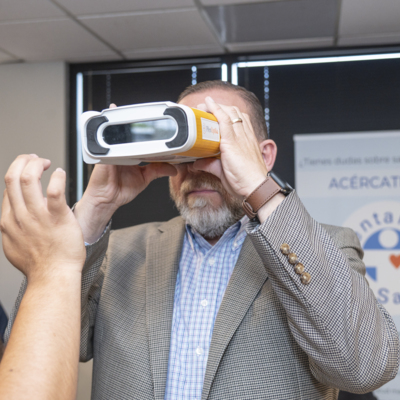
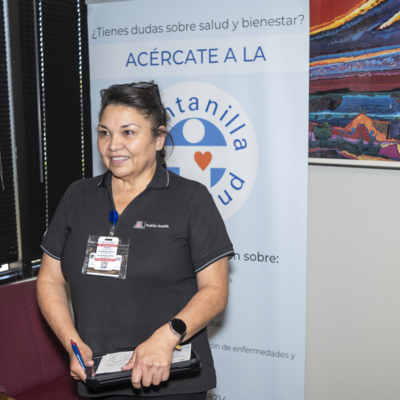
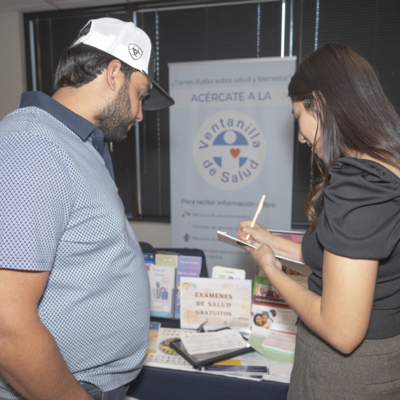
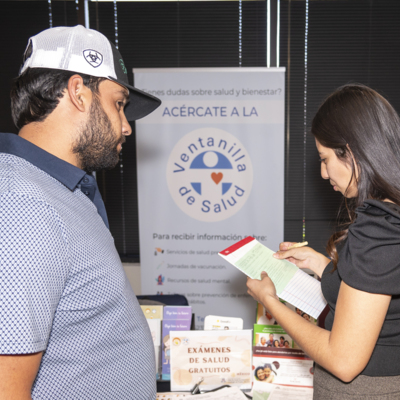
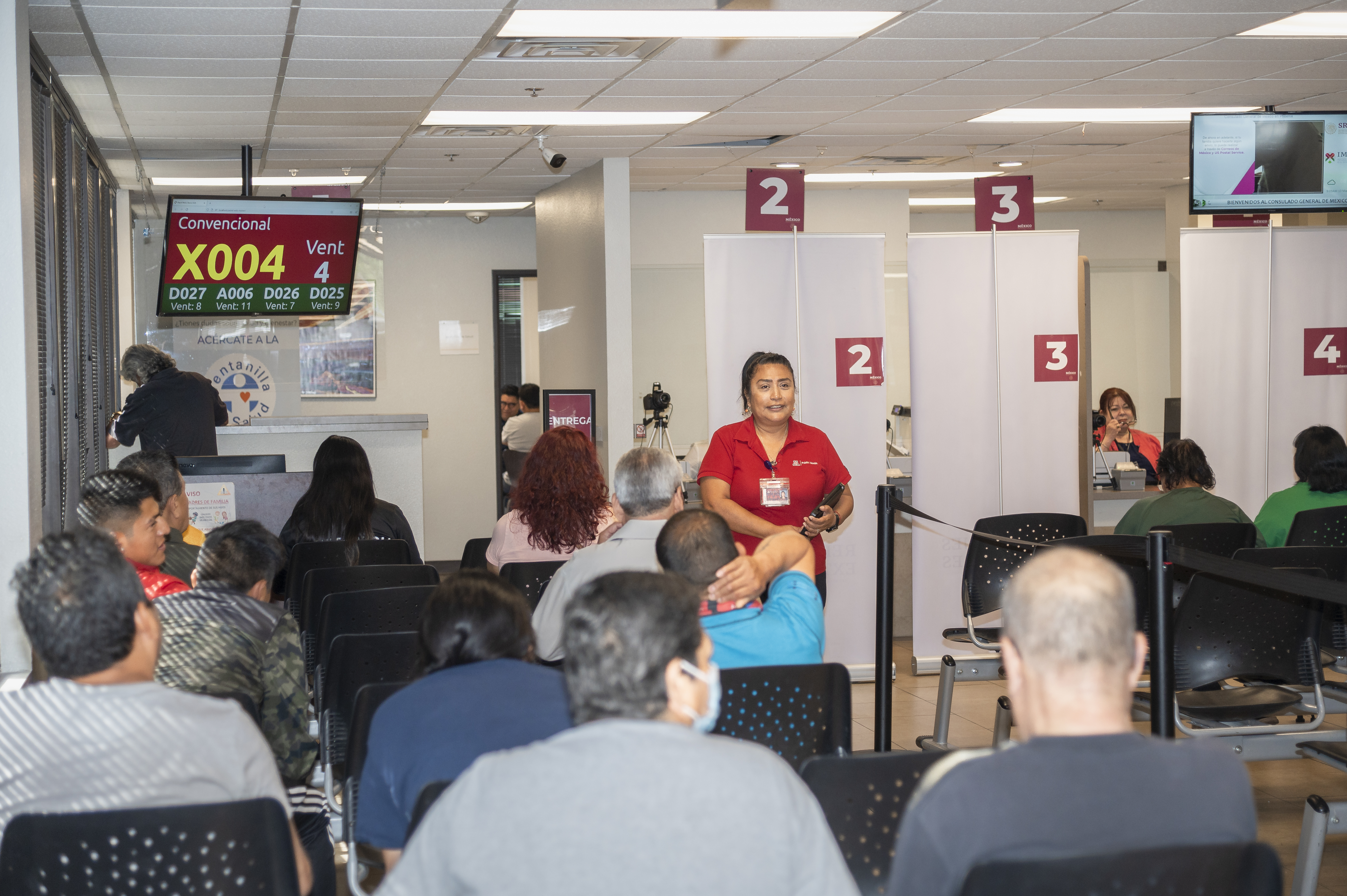
Ventanilla de Salud, Mexican Consulate, Phoenix, Arizona
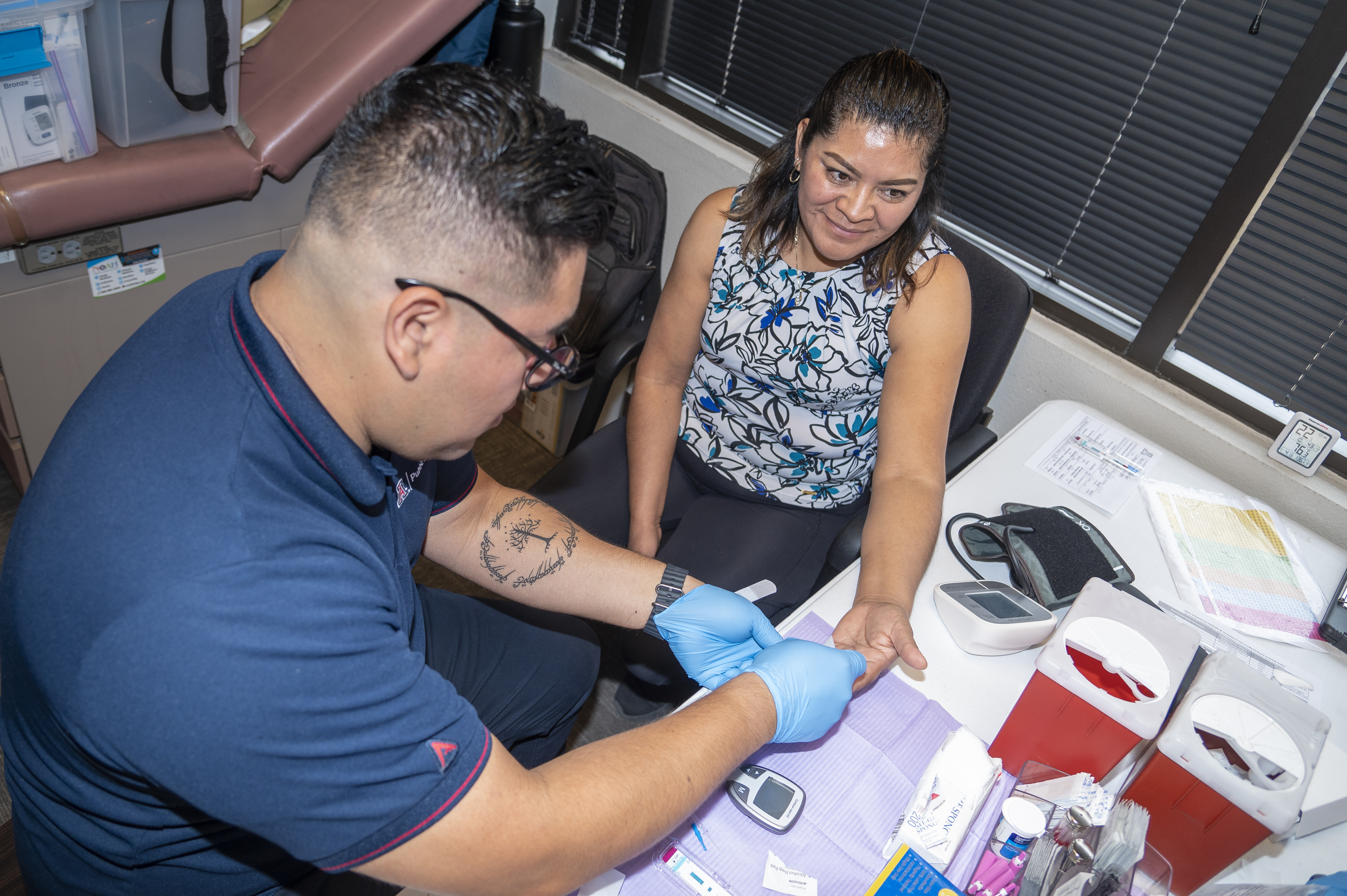
Ventanilla de Salud, Mexican Consulate, Phoenix, Arizona
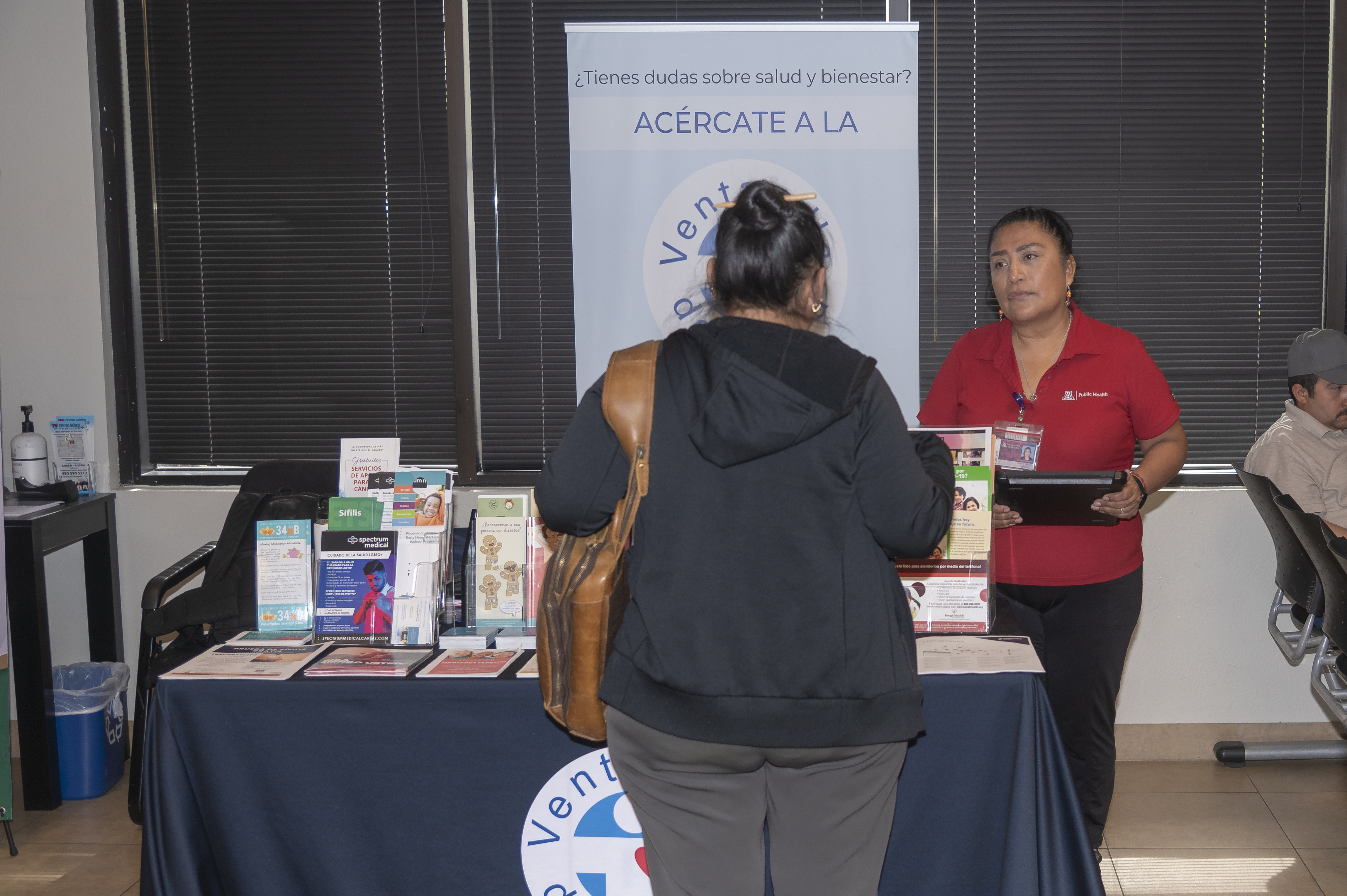
Ventanilla de Salud, Mexican Consulate, Phoenix, Arizona
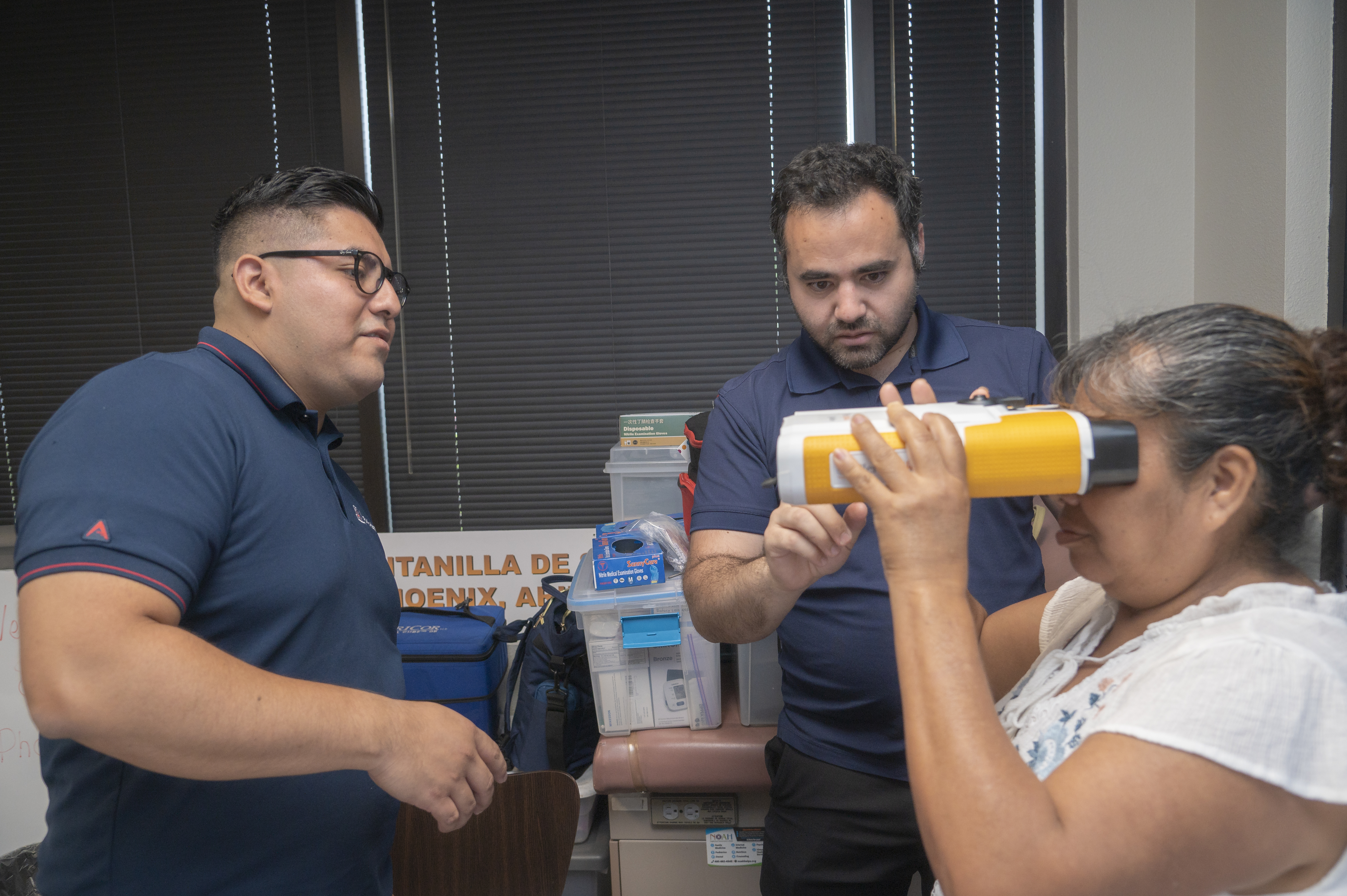
Ventanilla de Salud, Mexican Consulate, Phoenix, Arizona
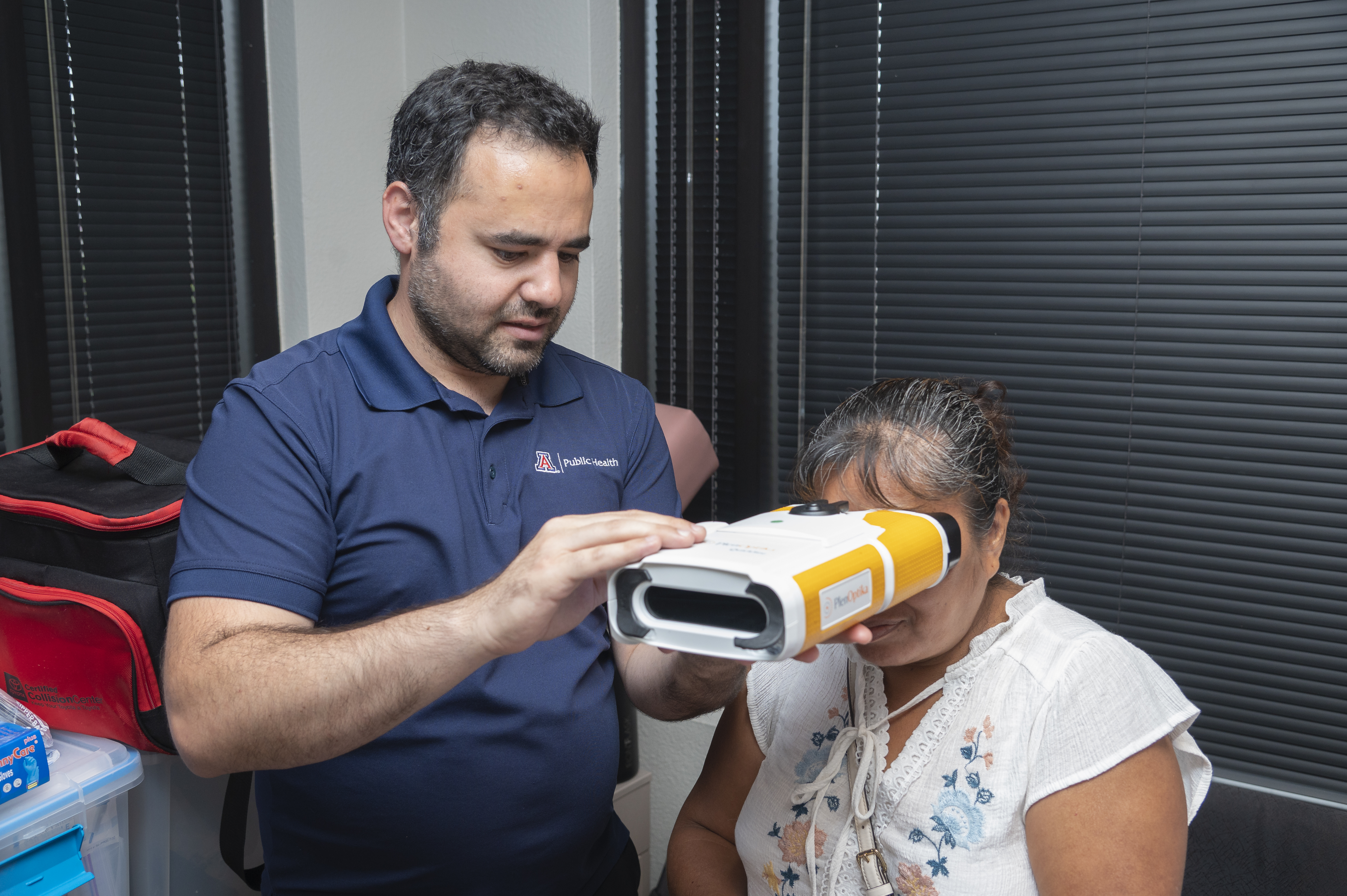
Ventanilla de Salud, Mexican Consulate, Phoenix, Arizona
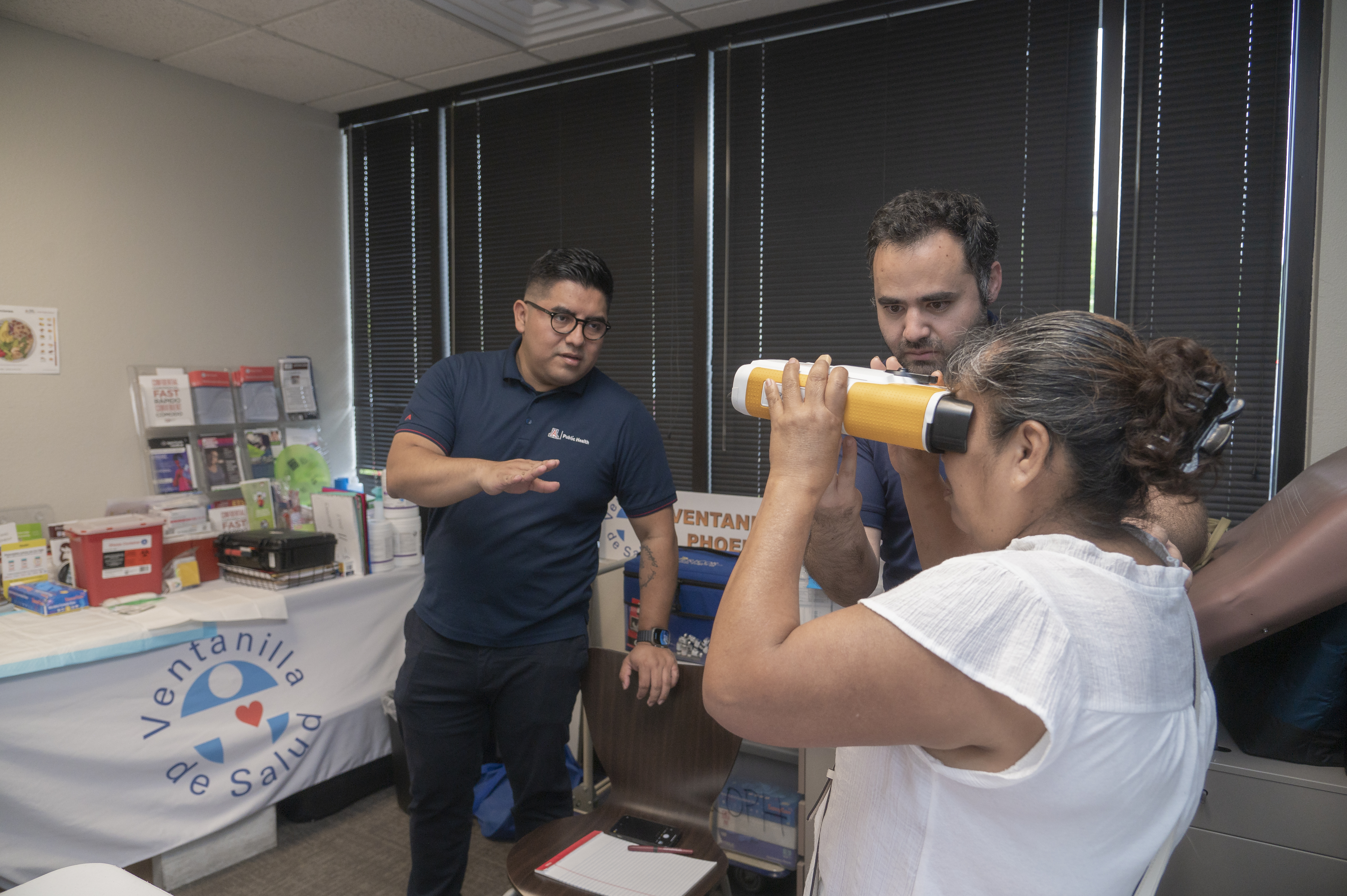
Ventanilla de Salud, Mexican Consulate, Phoenix, Arizona
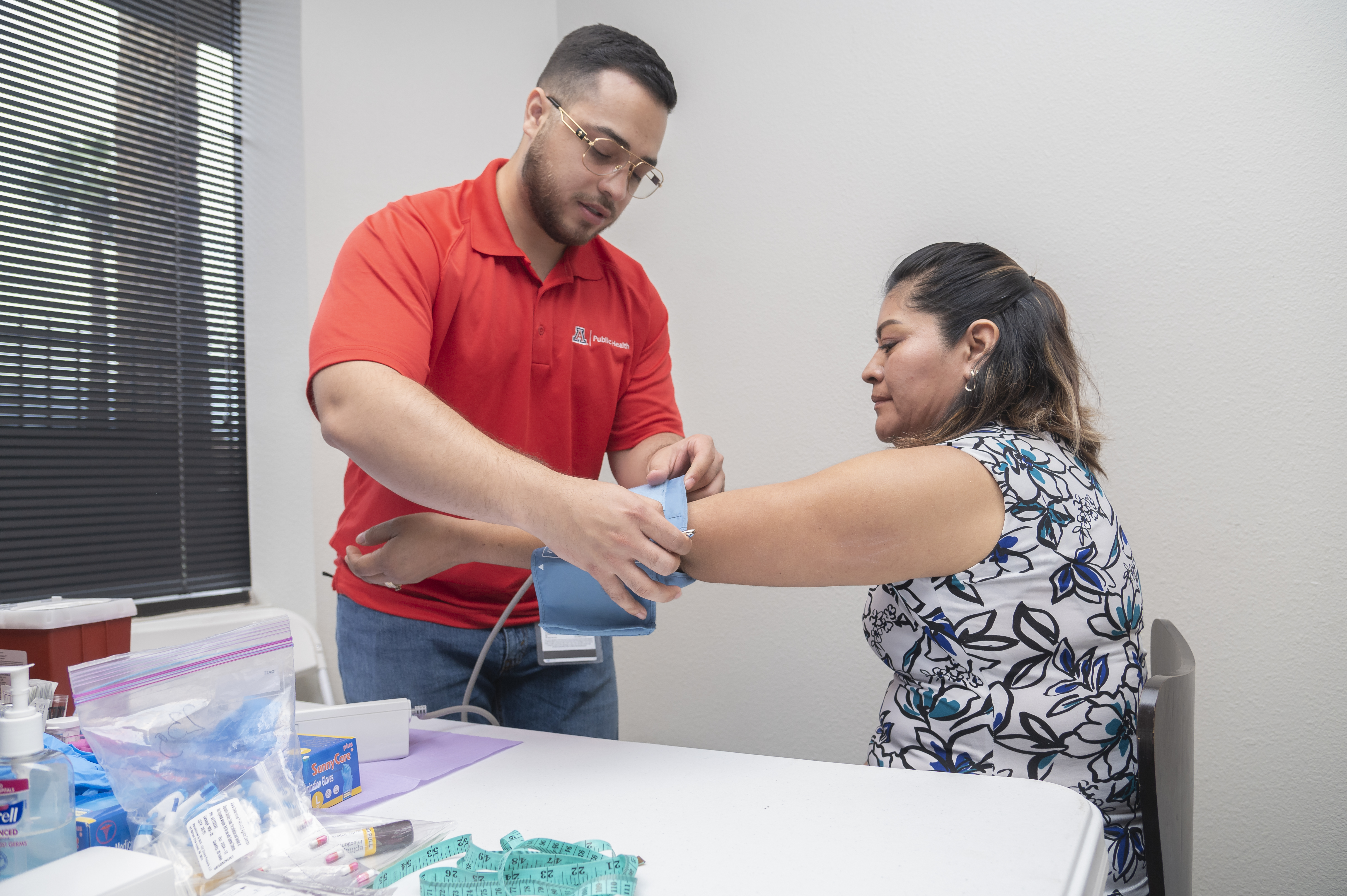
Ventanilla de Salud, Mexican Consulate, Phoenix, Arizona
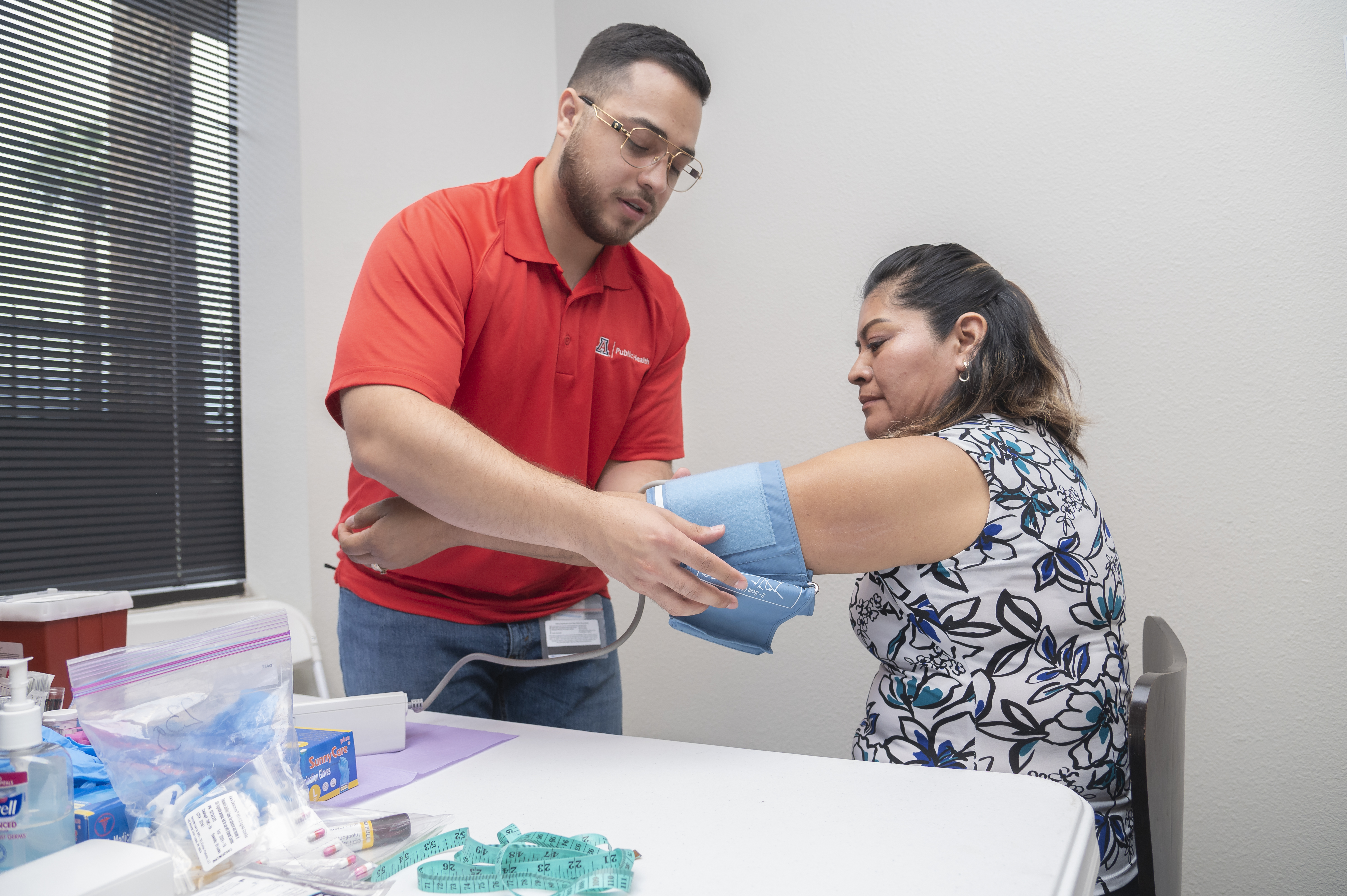
Ventanilla de Salud, Mexican Consulate, Phoenix, Arizona
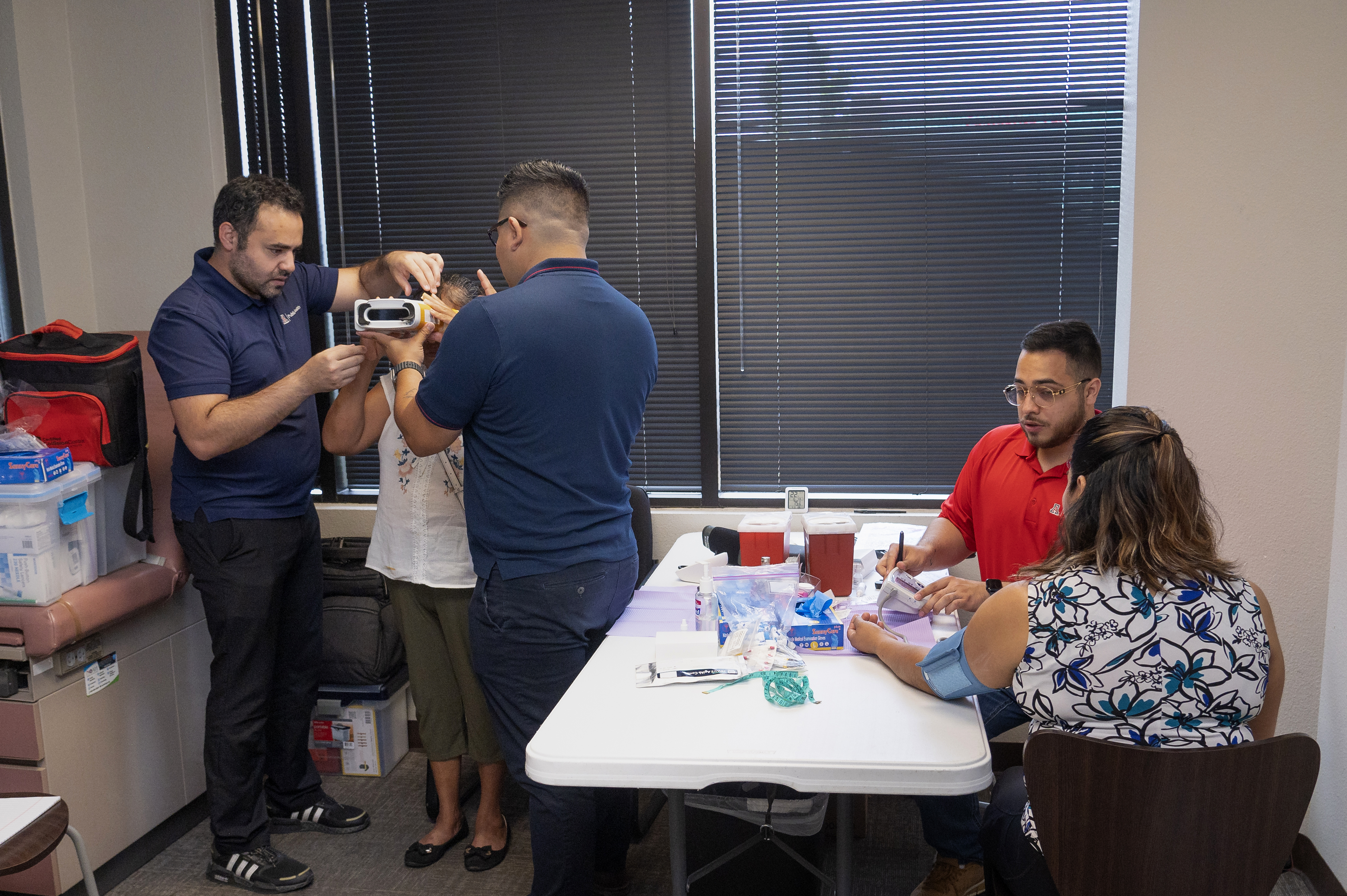
Ventanilla de Salud, Mexican Consulate, Phoenix, Arizona
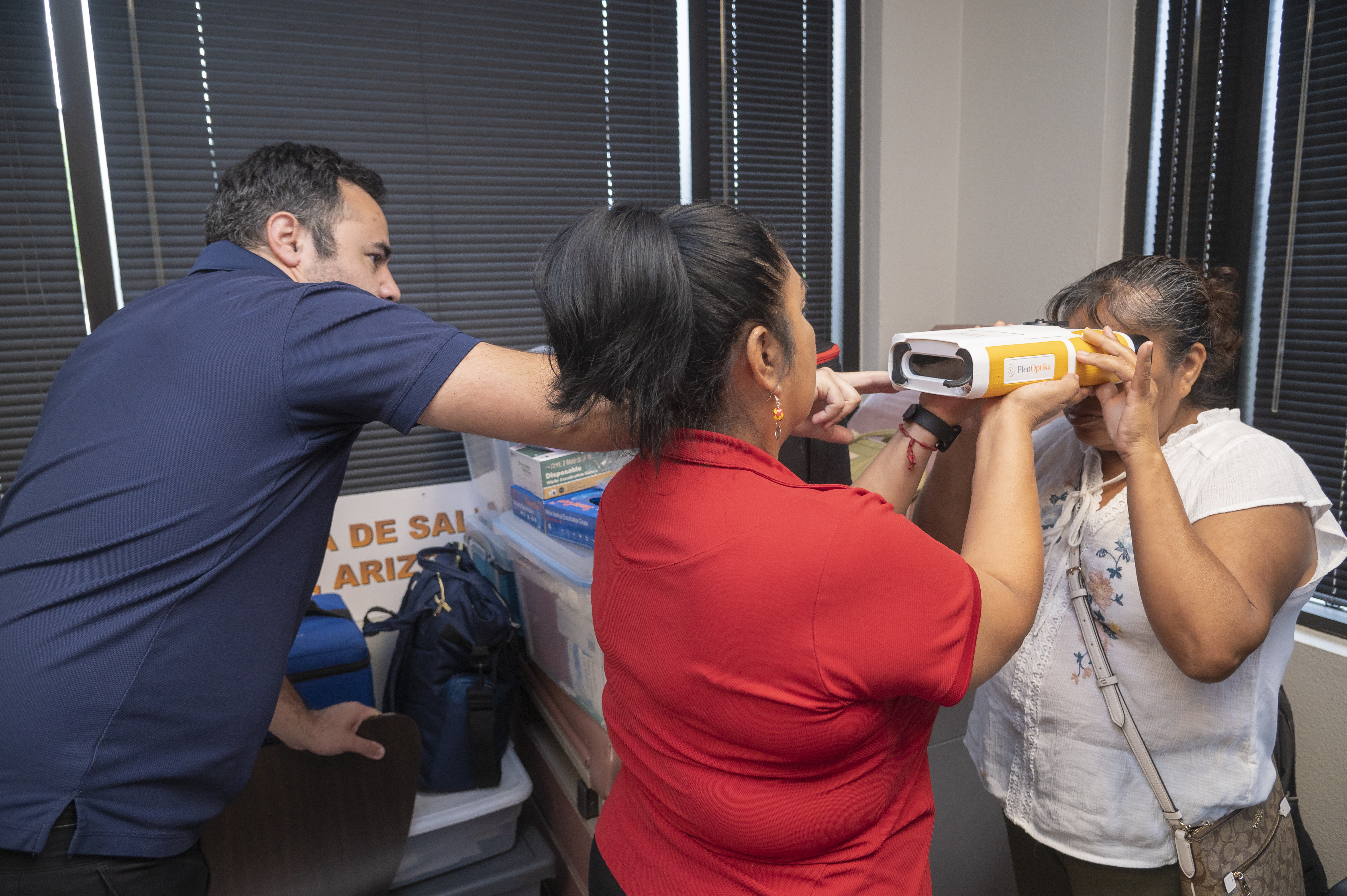
Ventanilla de Salud, Mexican Consulate, Phoenix, Arizona
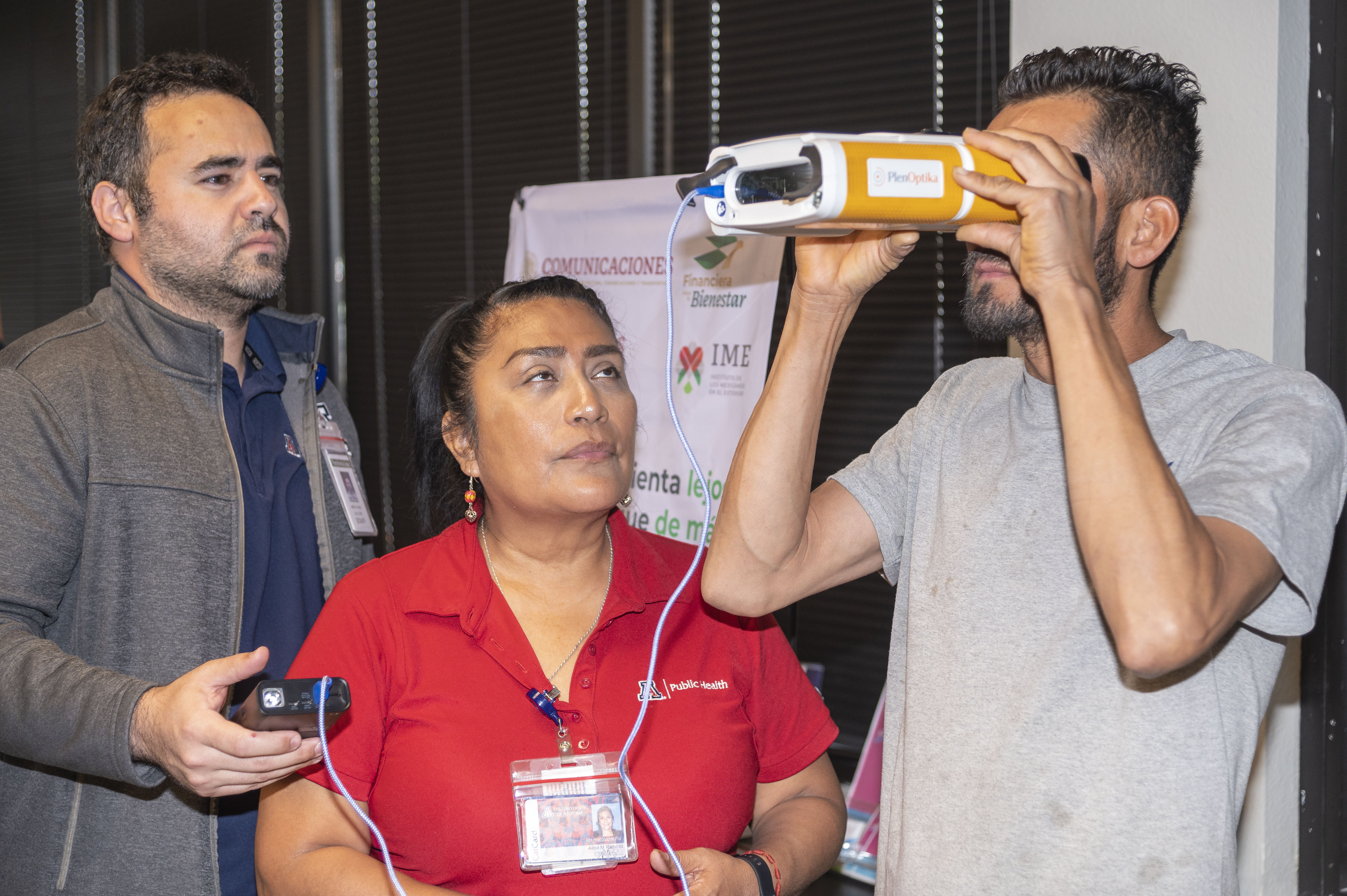
Ventanilla de Salud, Mexican Consulate, Phoenix, Arizona
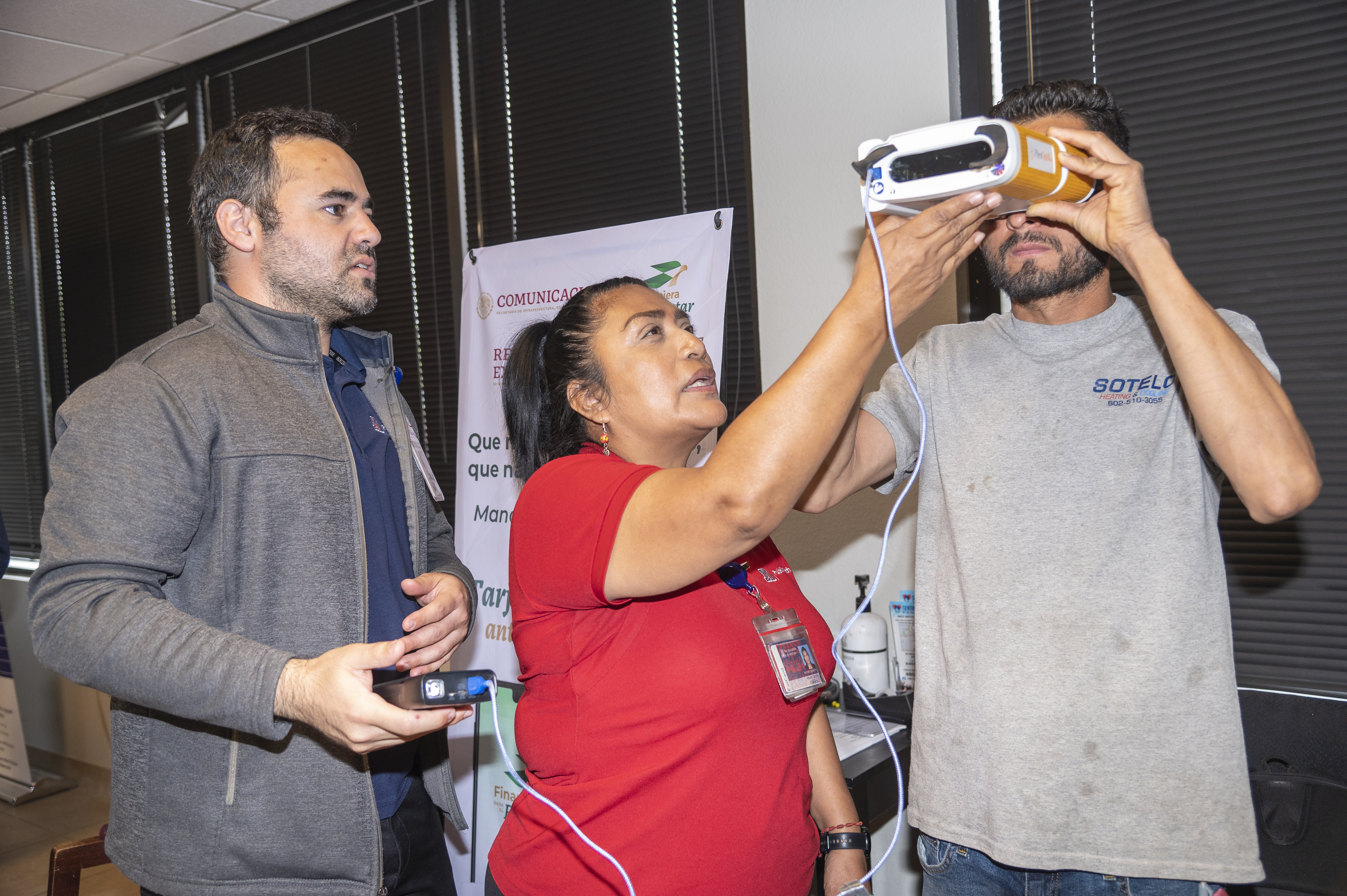
Ventanilla de Salud, Mexican Consulate, Phoenix, Arizona
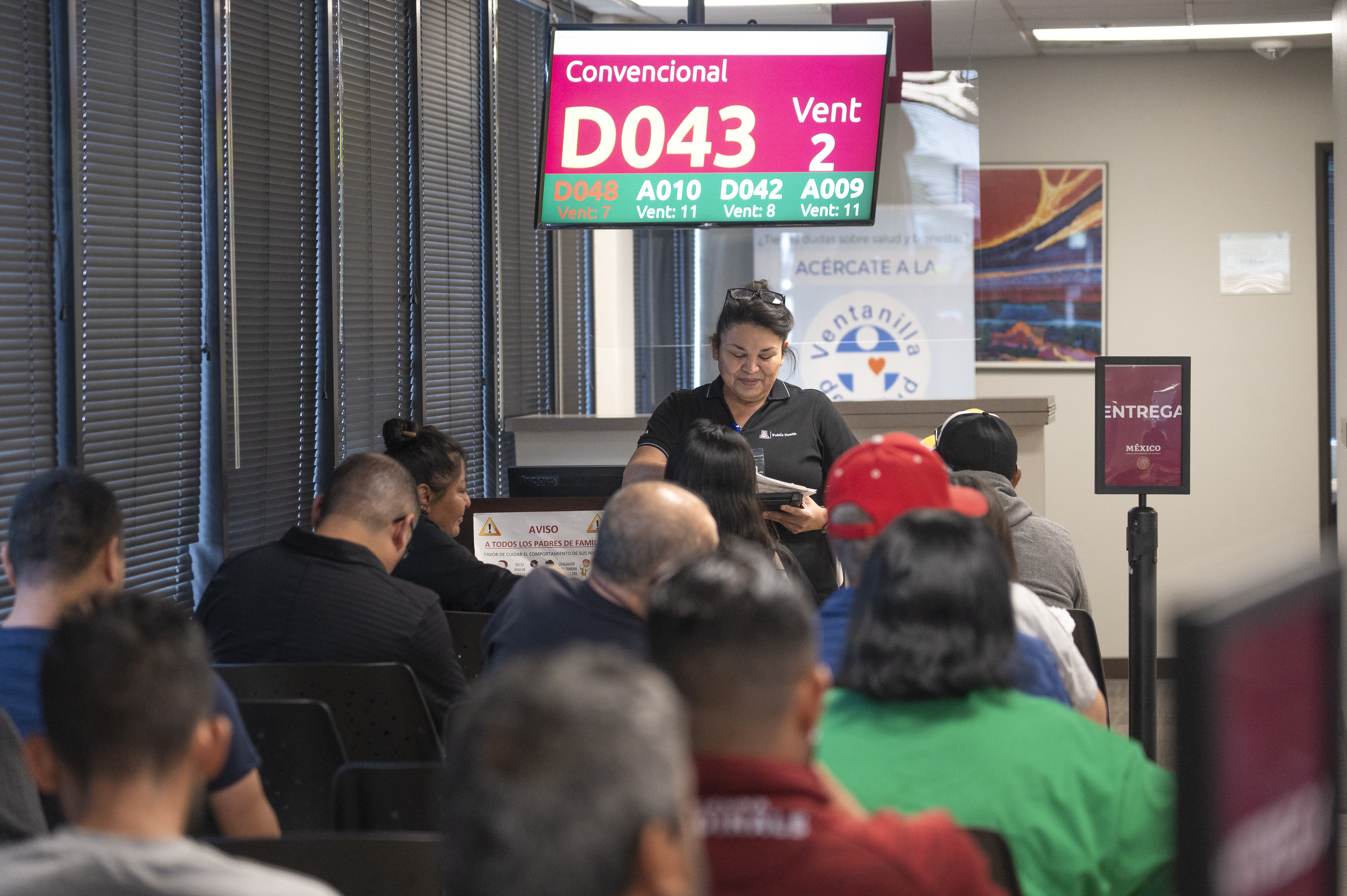
Ventanilla de Salud, Mexican Consulate, Phoenix, Arizona
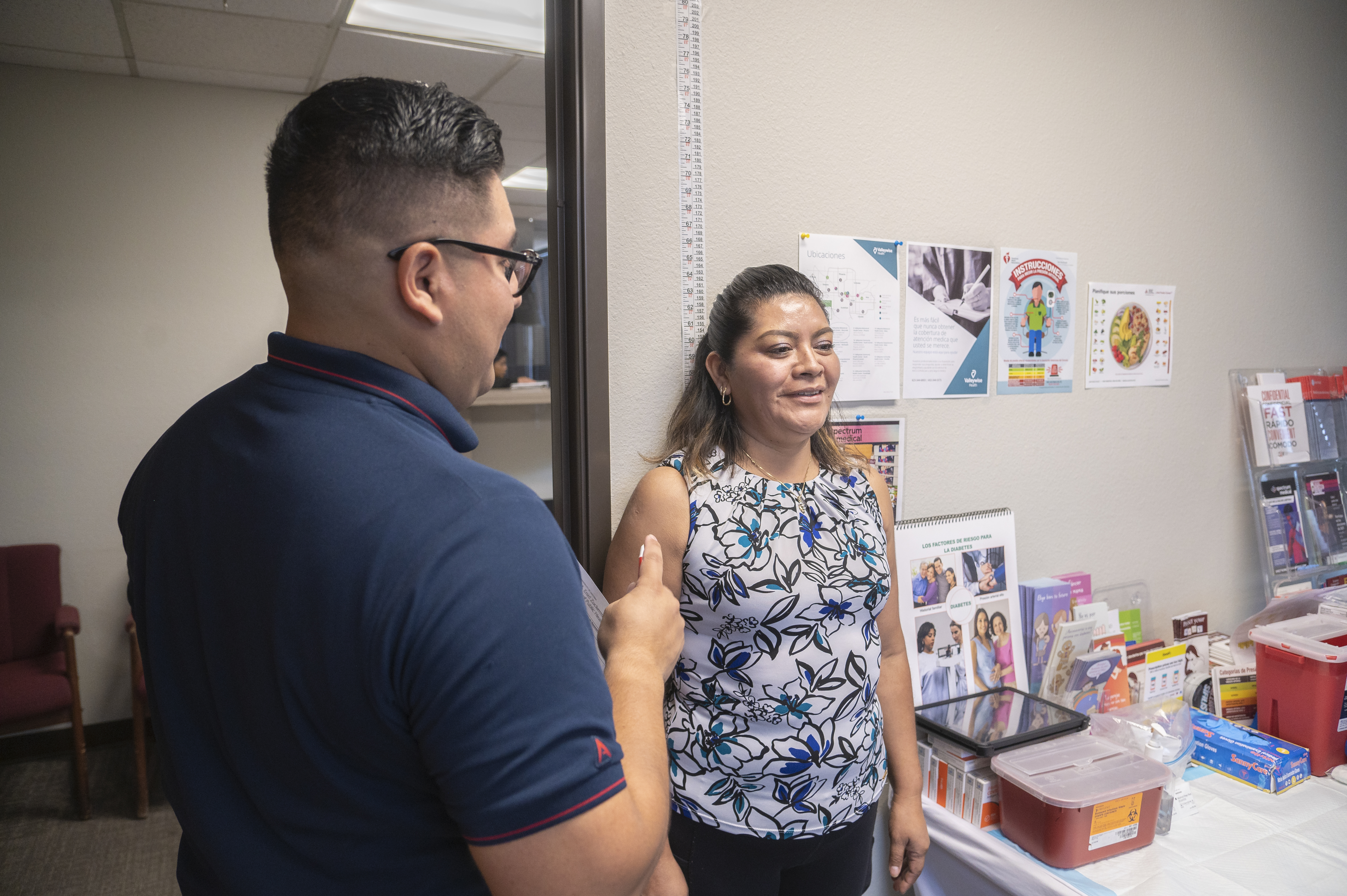
Ventanilla de Salud, Mexican Consulate, Phoenix, Arizona
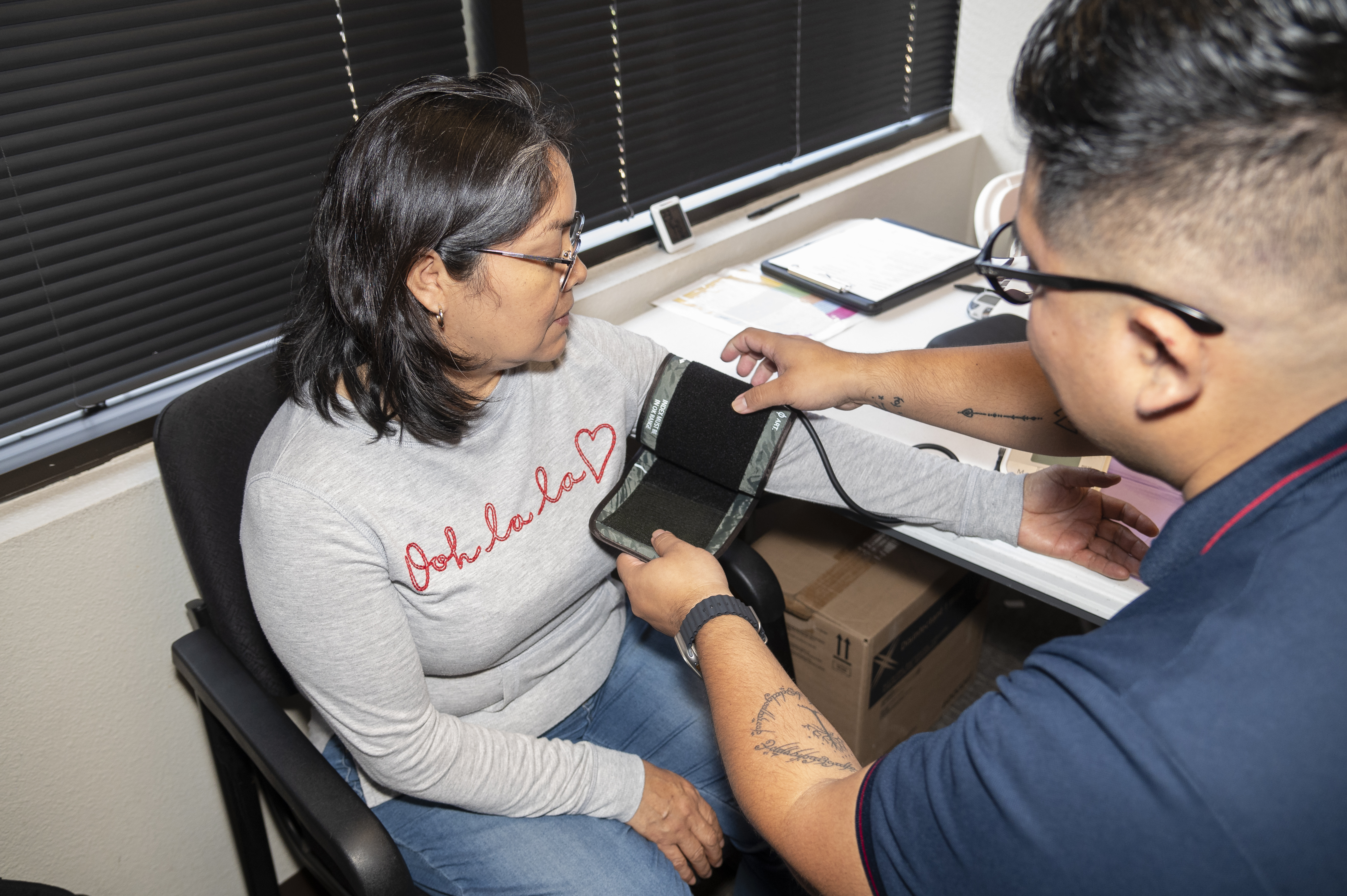
Ventanilla de Salud, Mexican Consulate, Phoenix, Arizona
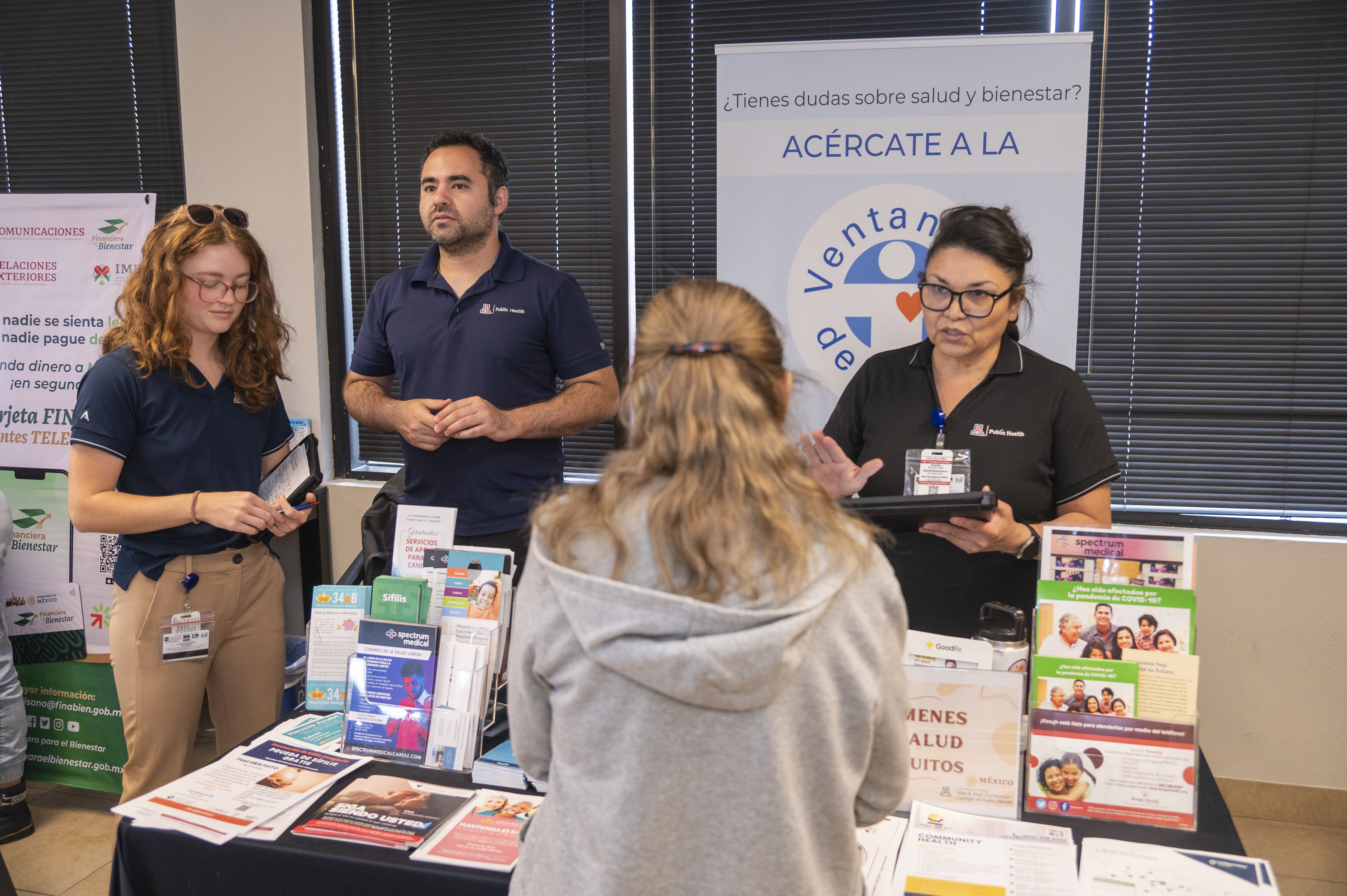
Ventanilla de Salud, Mexican Consulate, Phoenix, Arizona
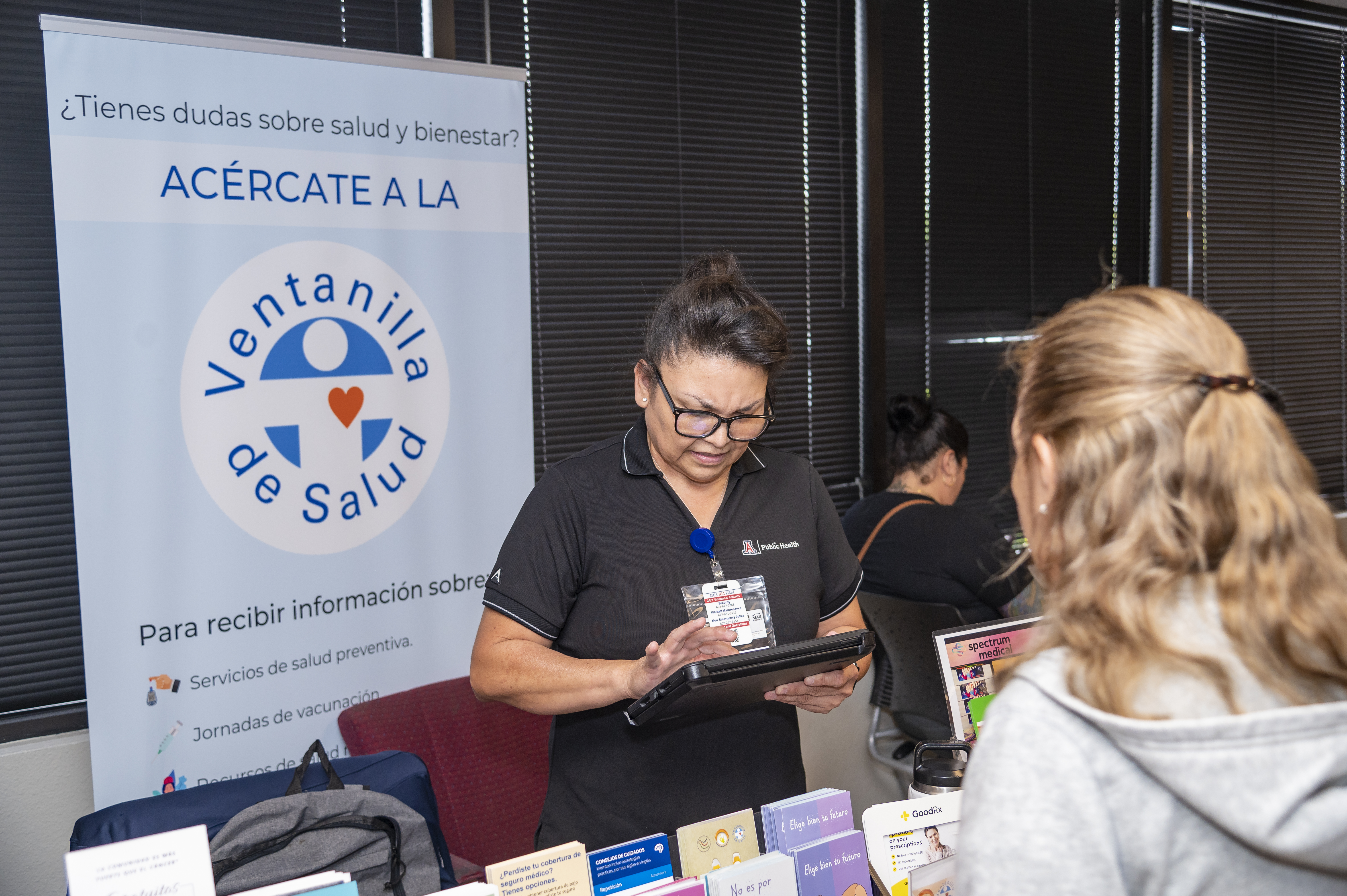
Ventanilla de Salud, Mexican Consulate, Phoenix, Arizona
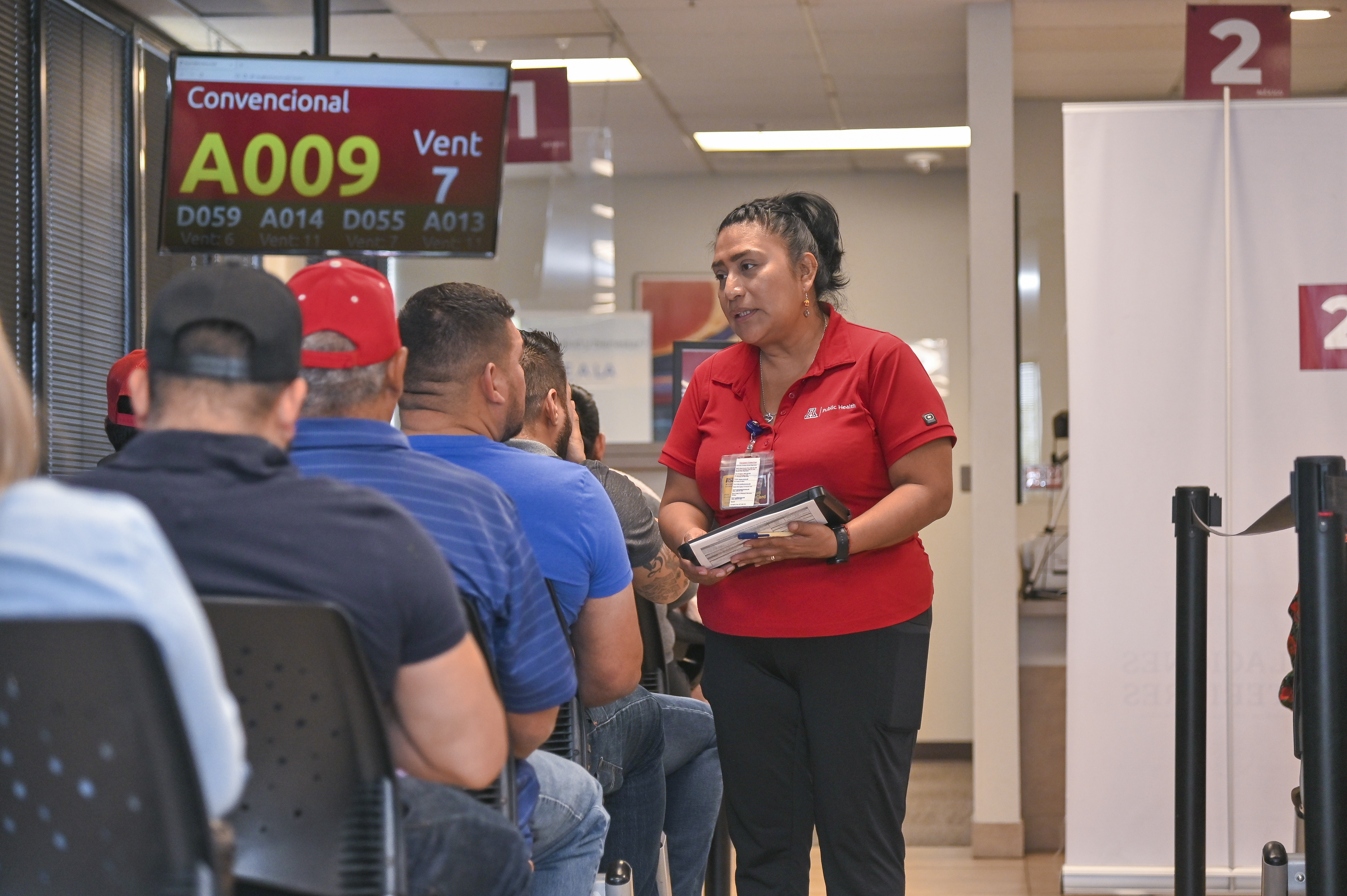
Ventanilla de Salud, Mexican Consulate, Phoenix, Arizona
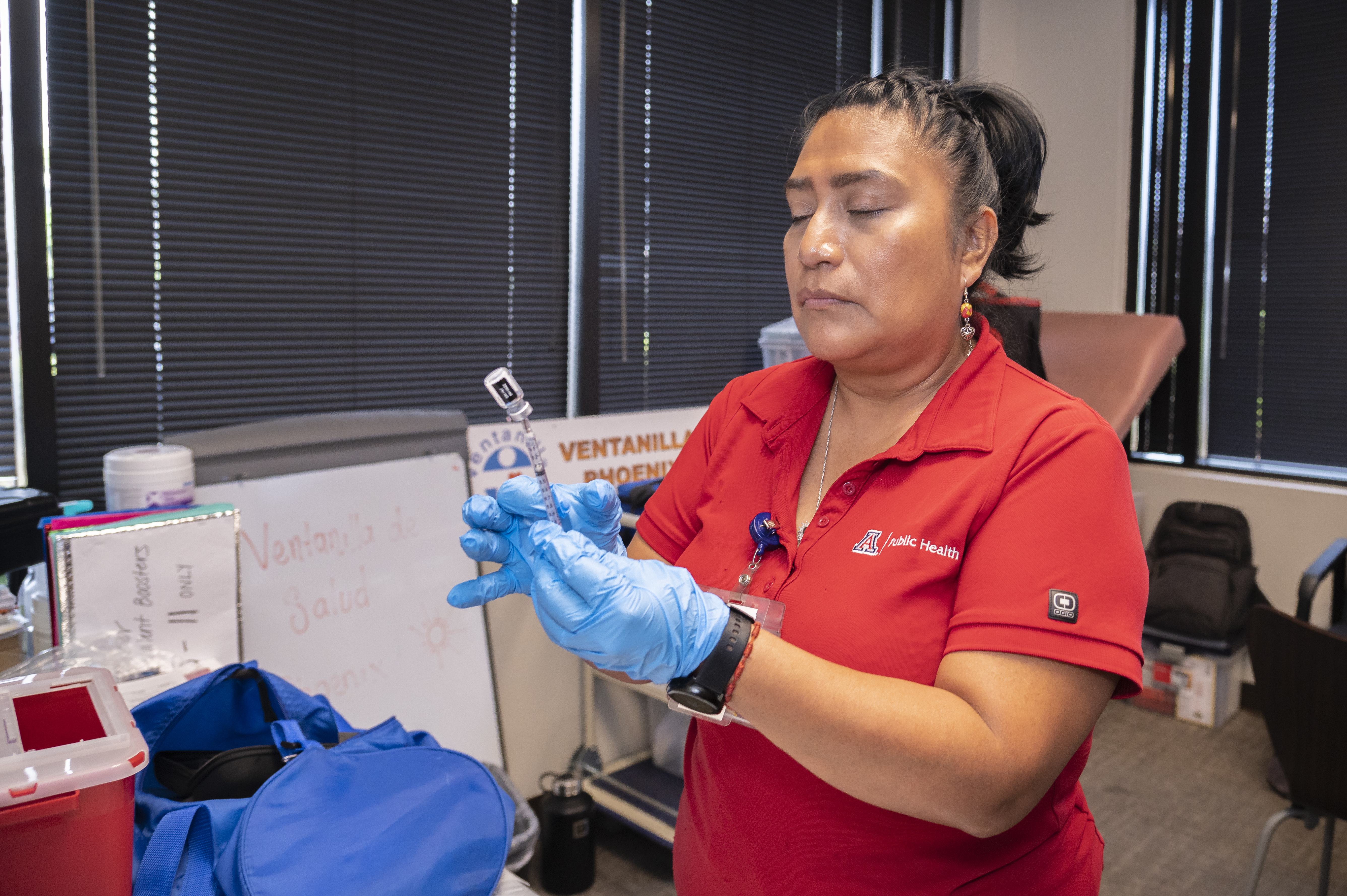
Ventanilla de Salud, Mexican Consulate, Phoenix, Arizona
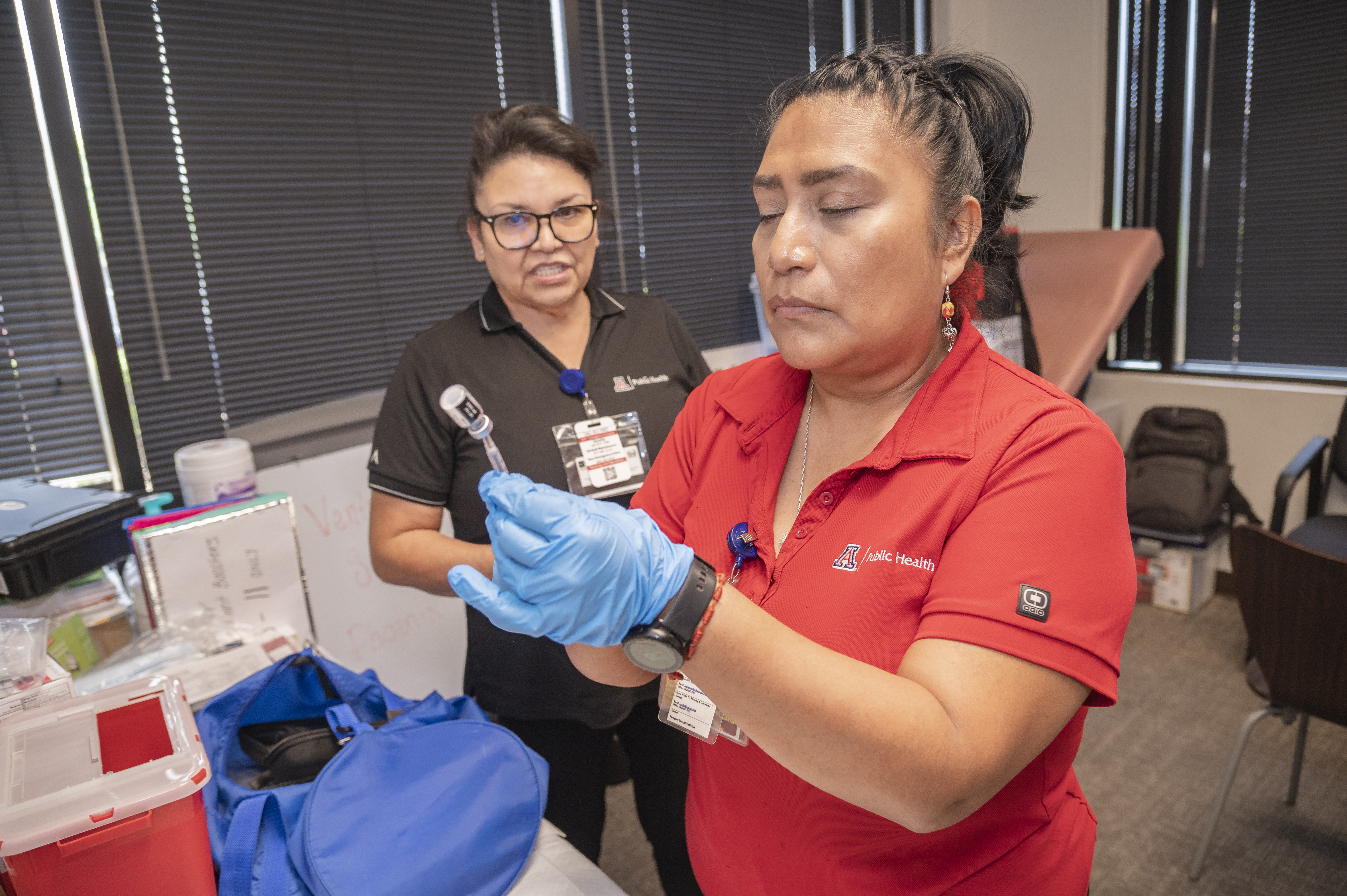
Ventanilla de Salud, Mexican Consulate, Phoenix, Arizona
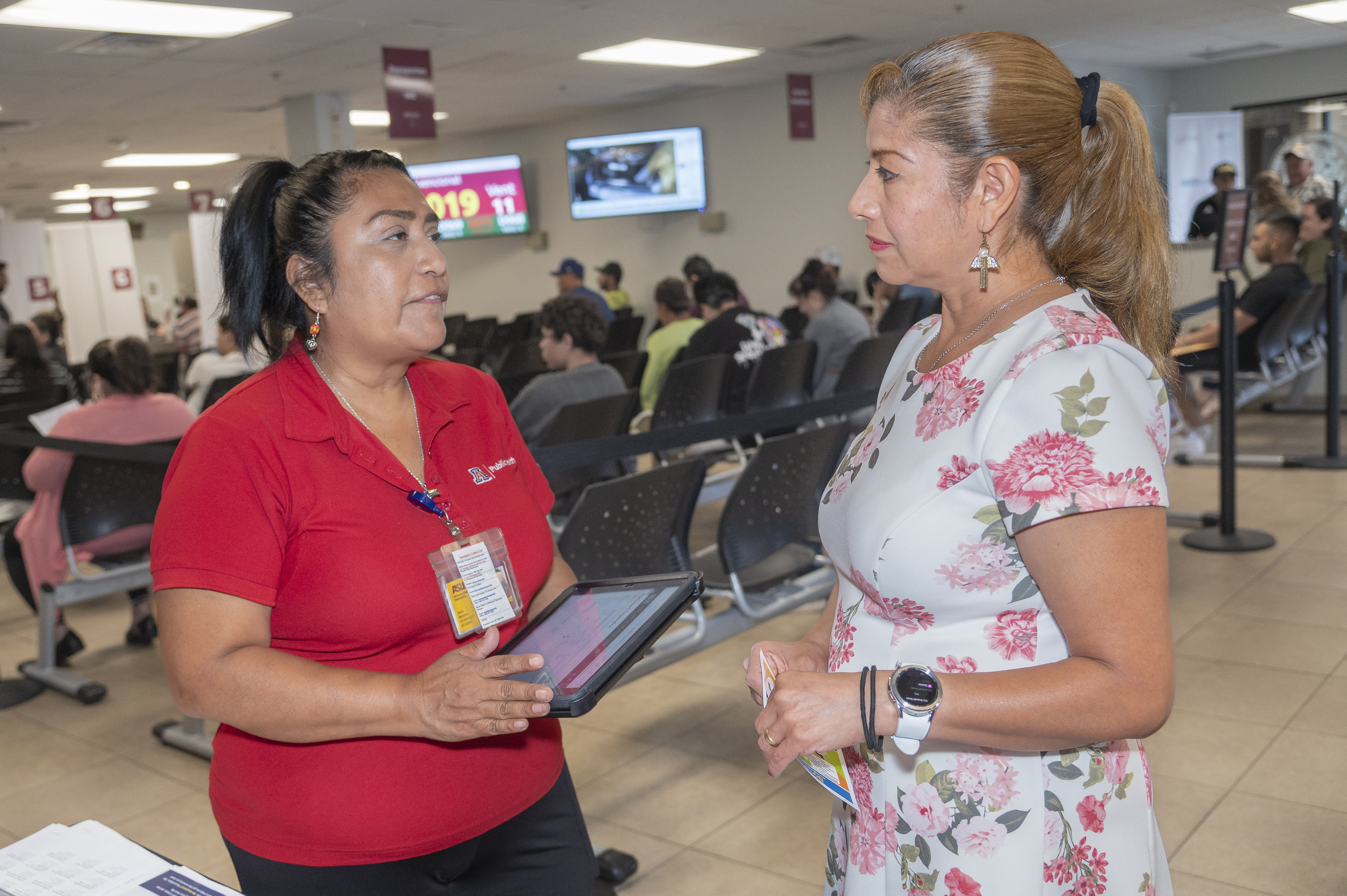
Ventanilla de Salud, Mexican Consulate, Phoenix, Arizona
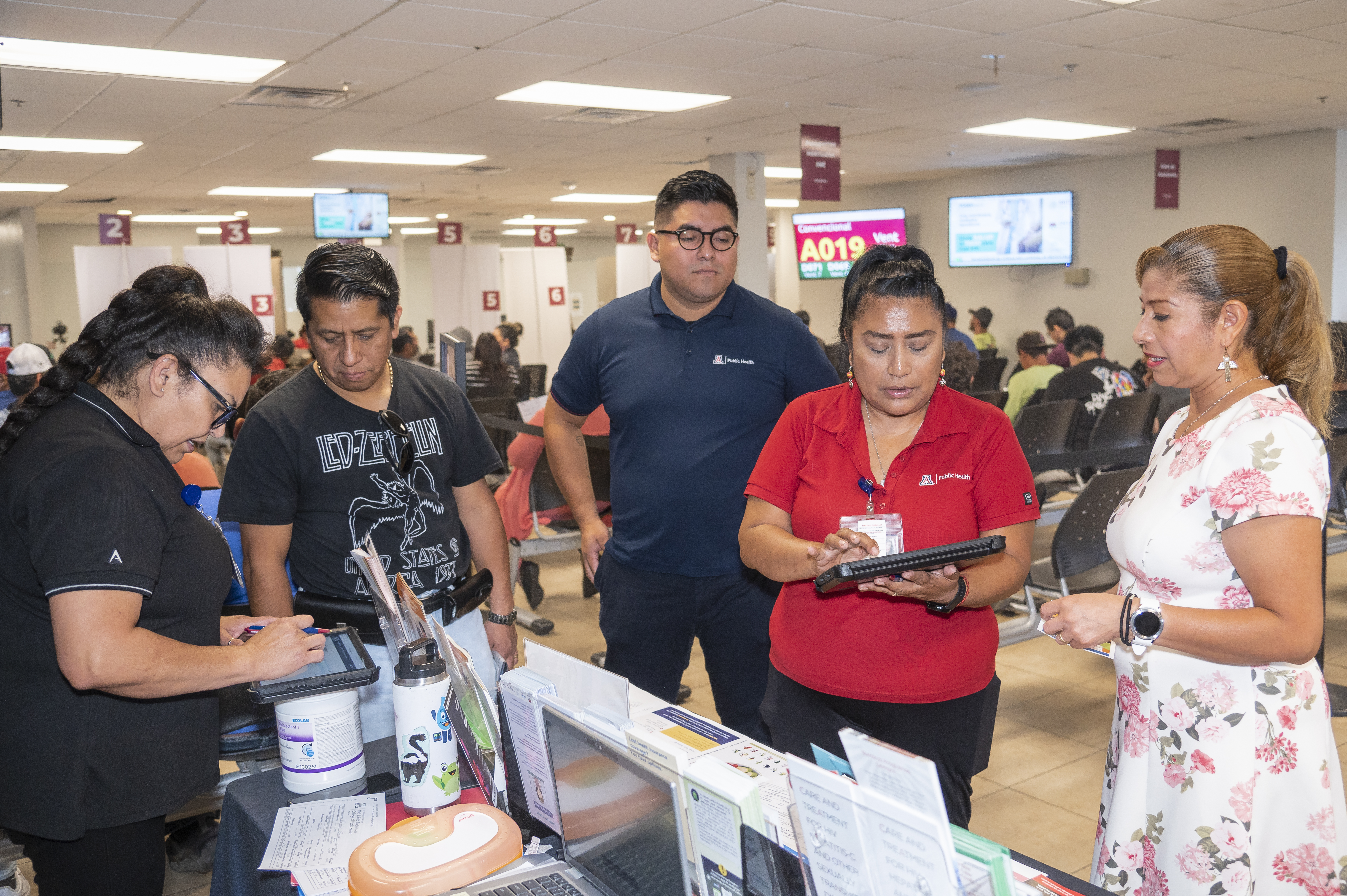
Ventanilla de Salud, Mexican Consulate, Phoenix, Arizona
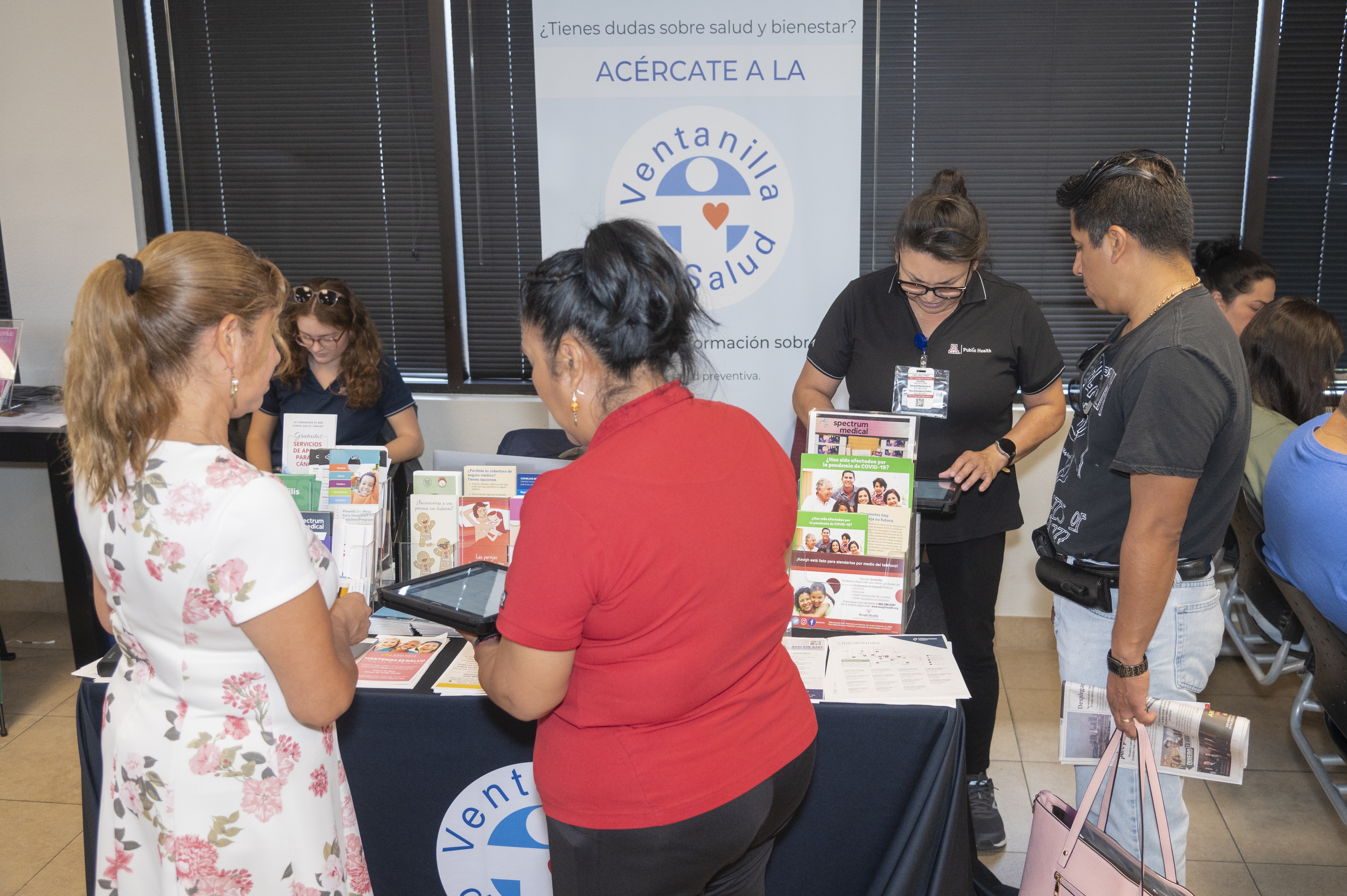
Ventanilla de Salud, Mexican Consulate, Phoenix, Arizona
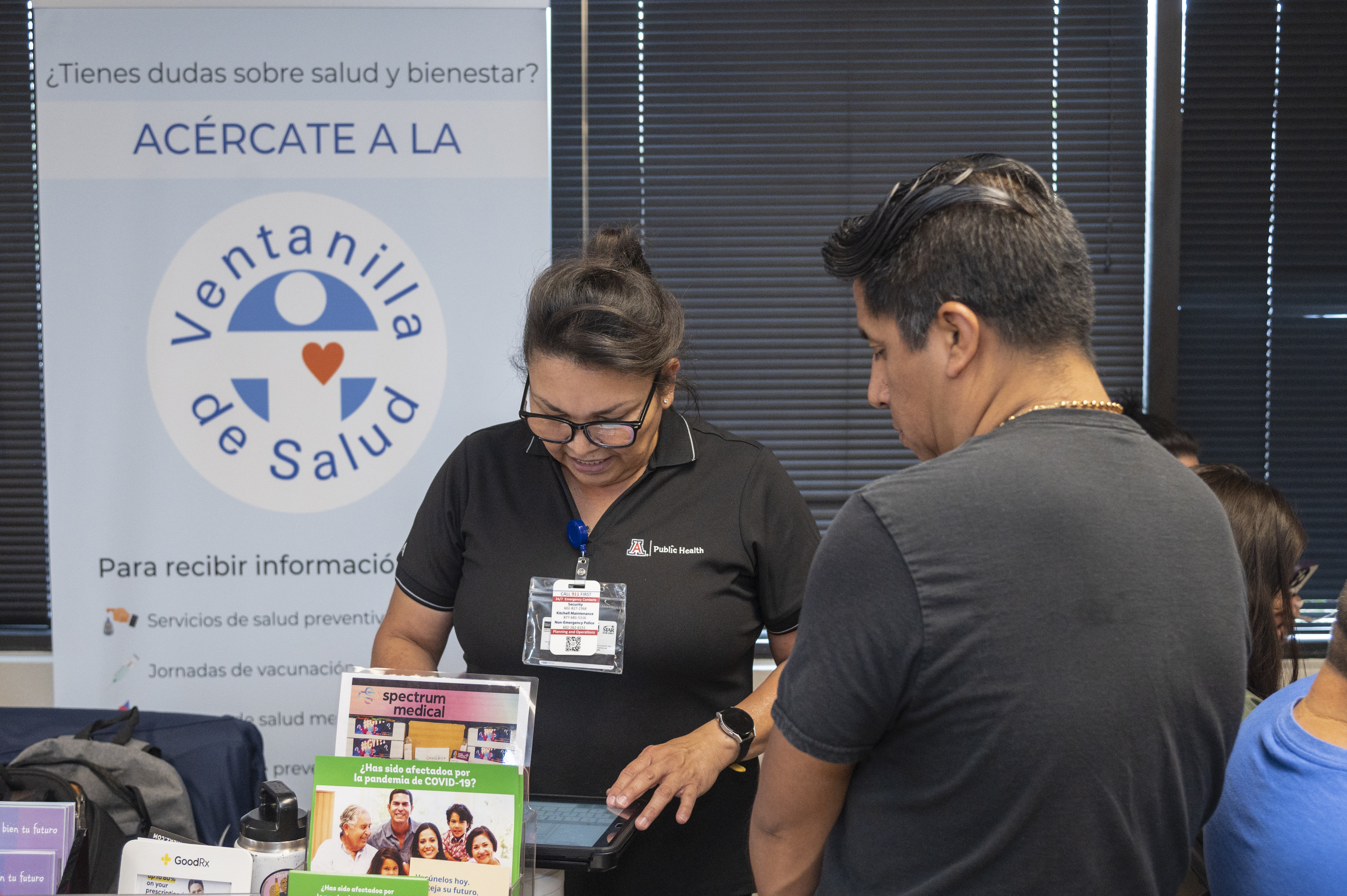
Ventanilla de Salud, Mexican Consulate, Phoenix, Arizona
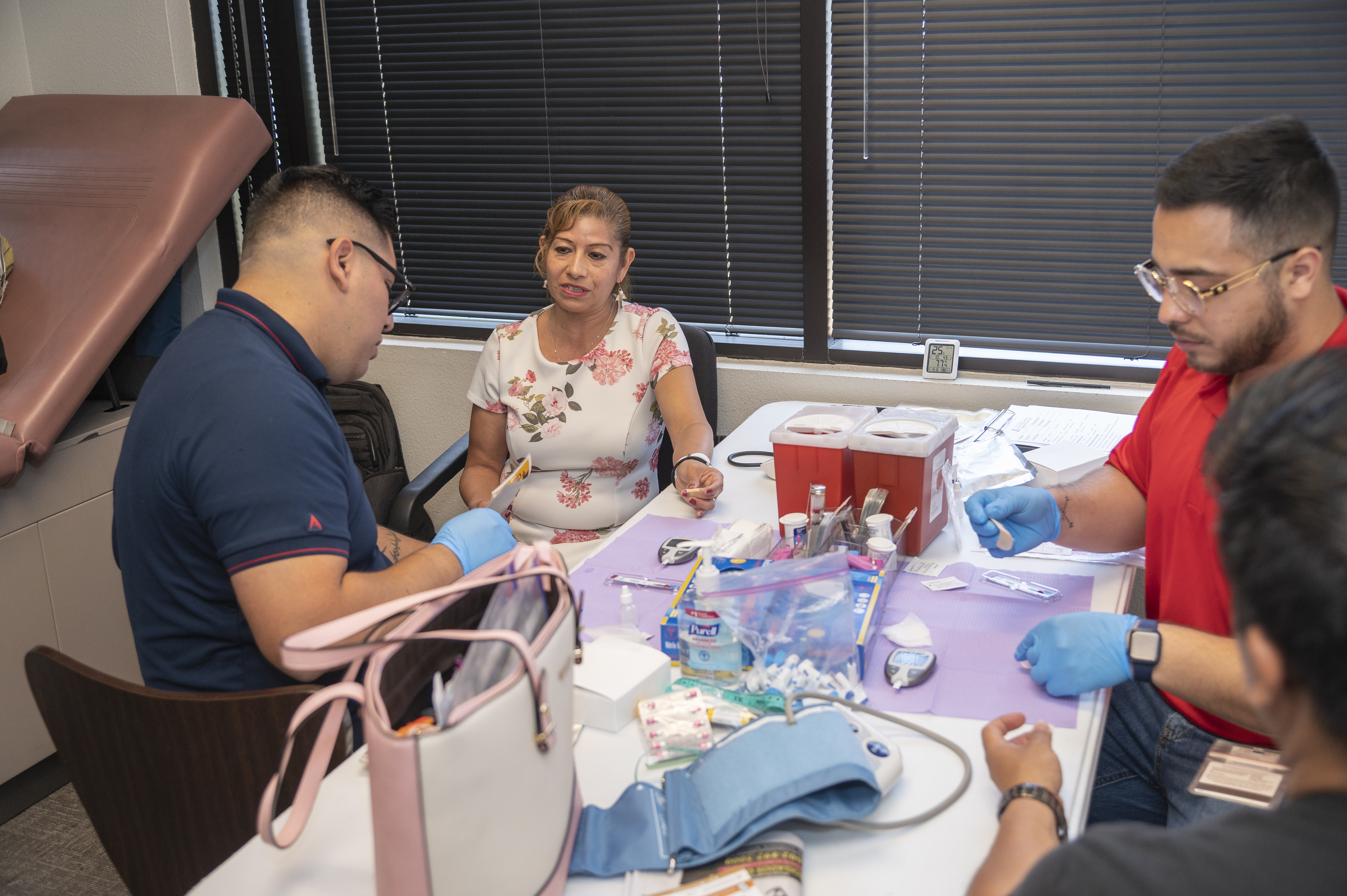
Ventanilla de Salud, Mexican Consulate, Phoenix, Arizona
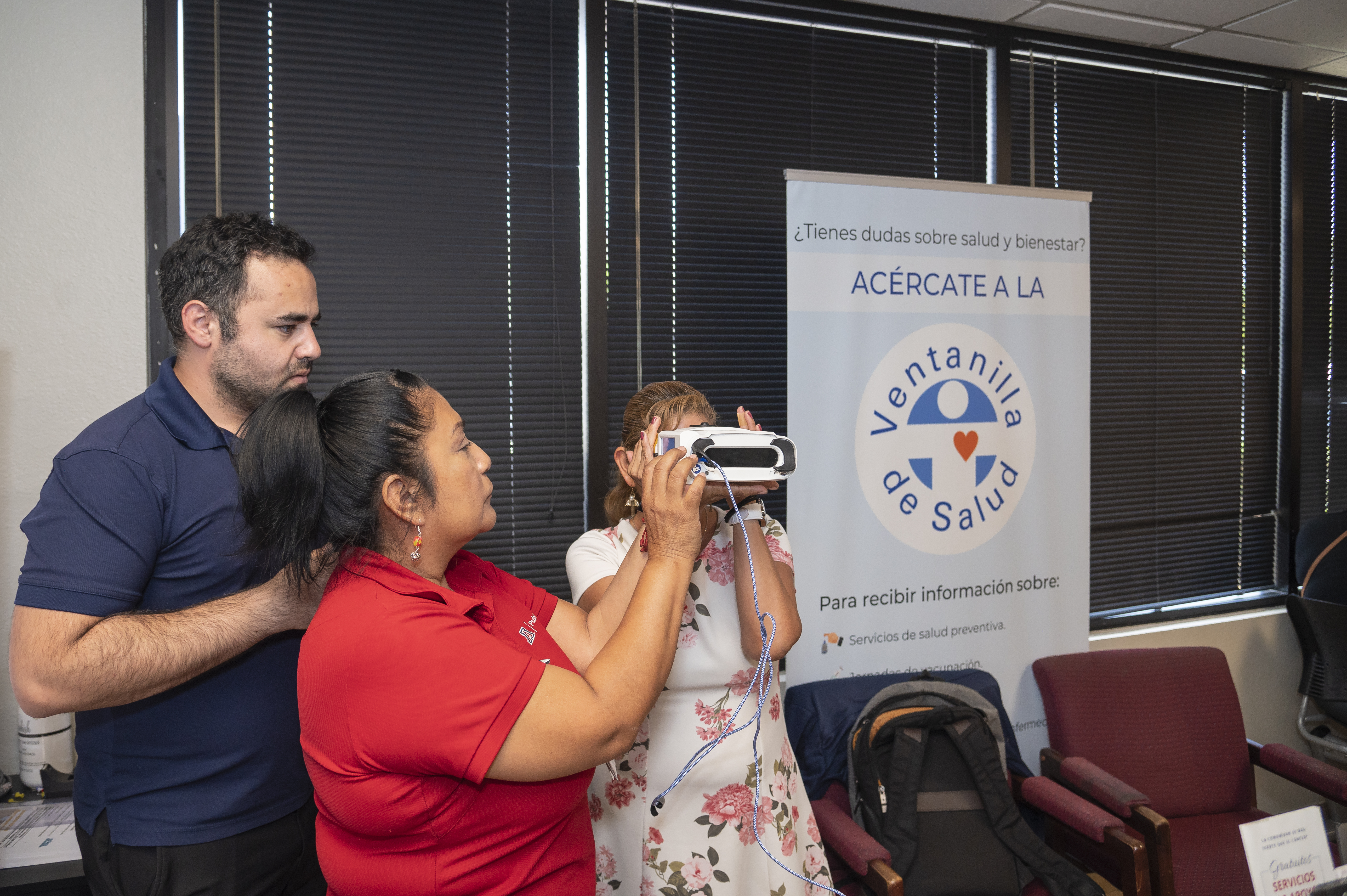
Ventanilla de Salud, Mexican Consulate, Phoenix, Arizona
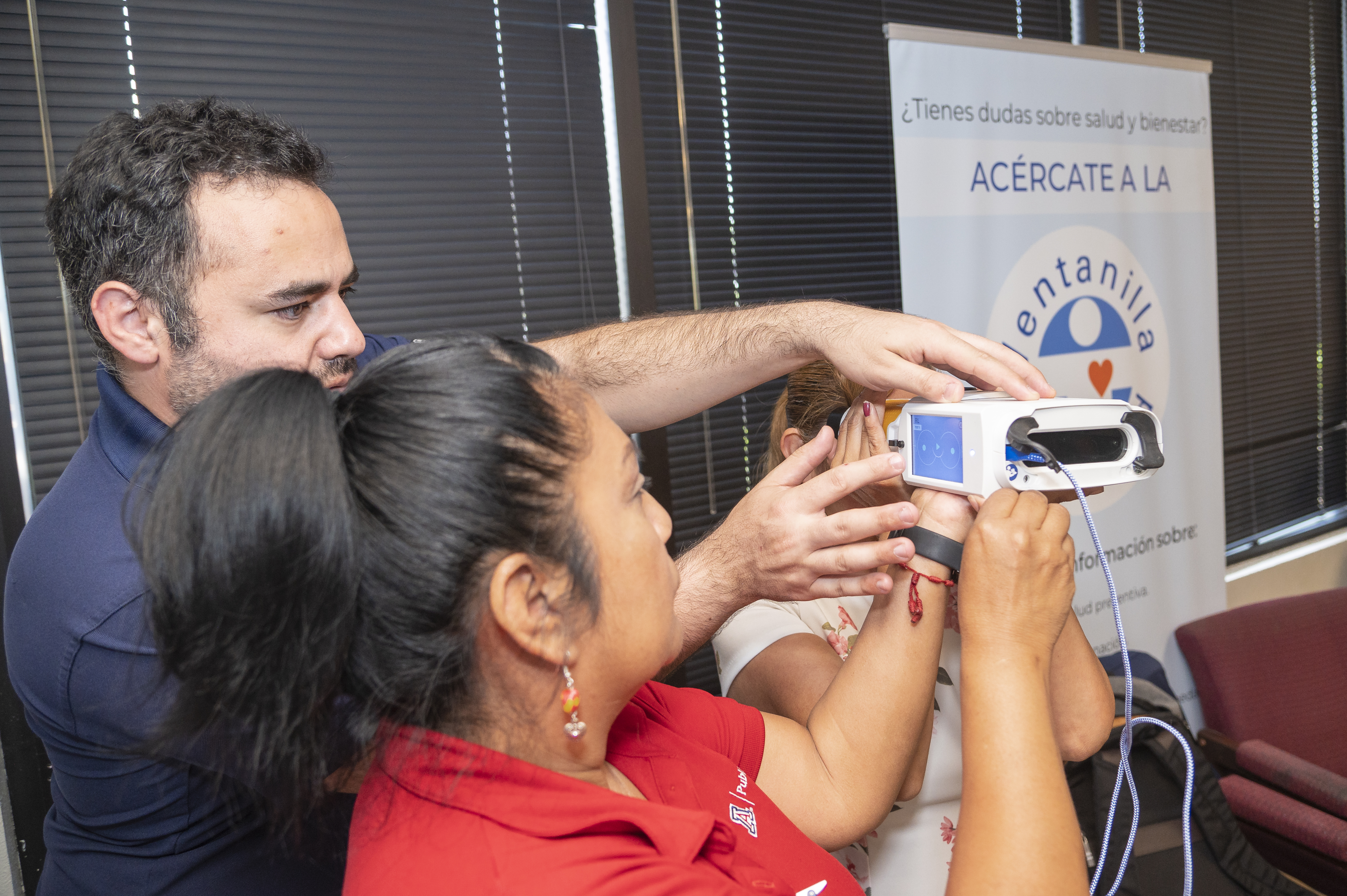
Ventanilla de Salud, Mexican Consulate, Phoenix, Arizona
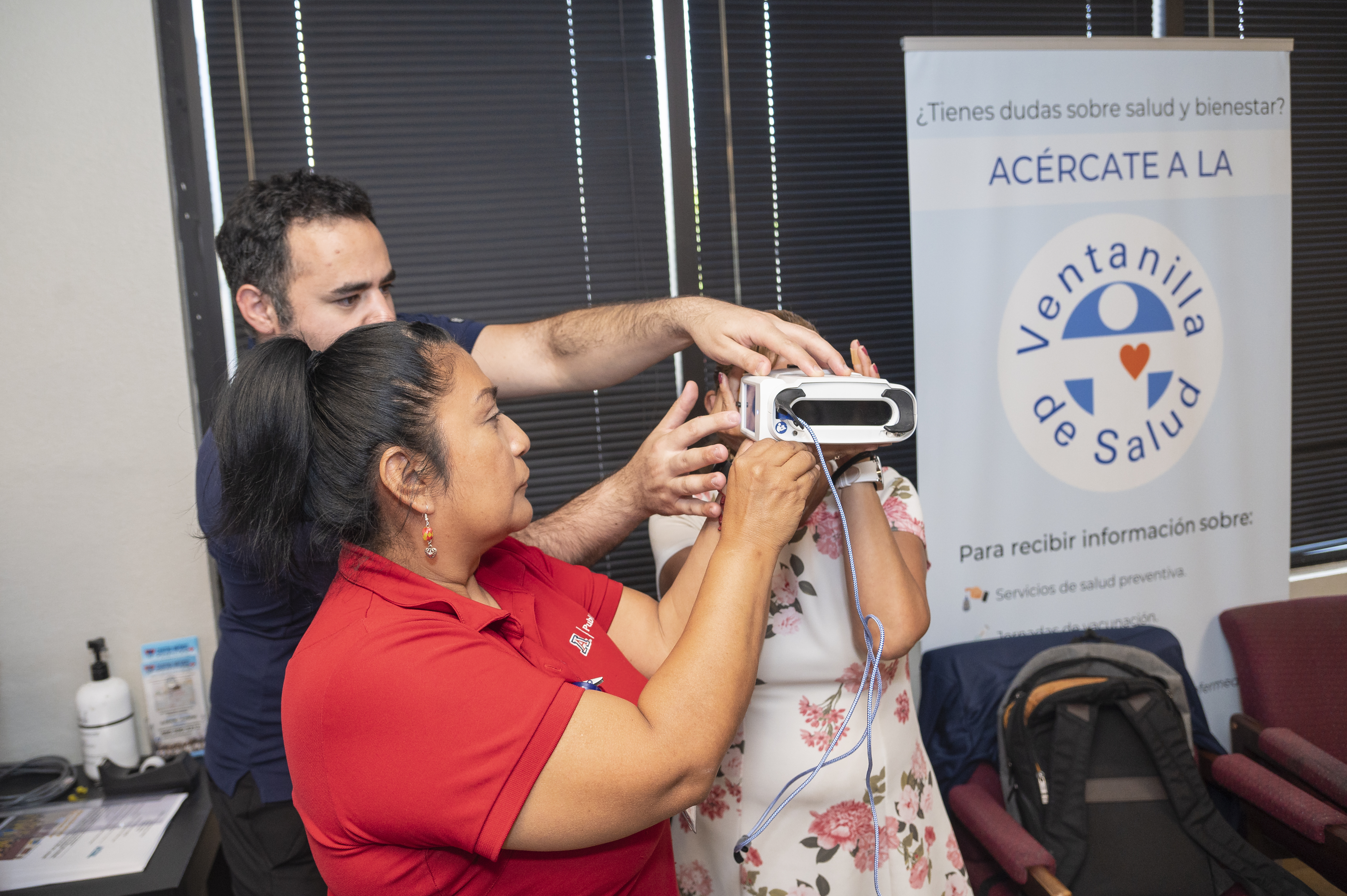
Ventanilla de Salud, Mexican Consulate, Phoenix, Arizona
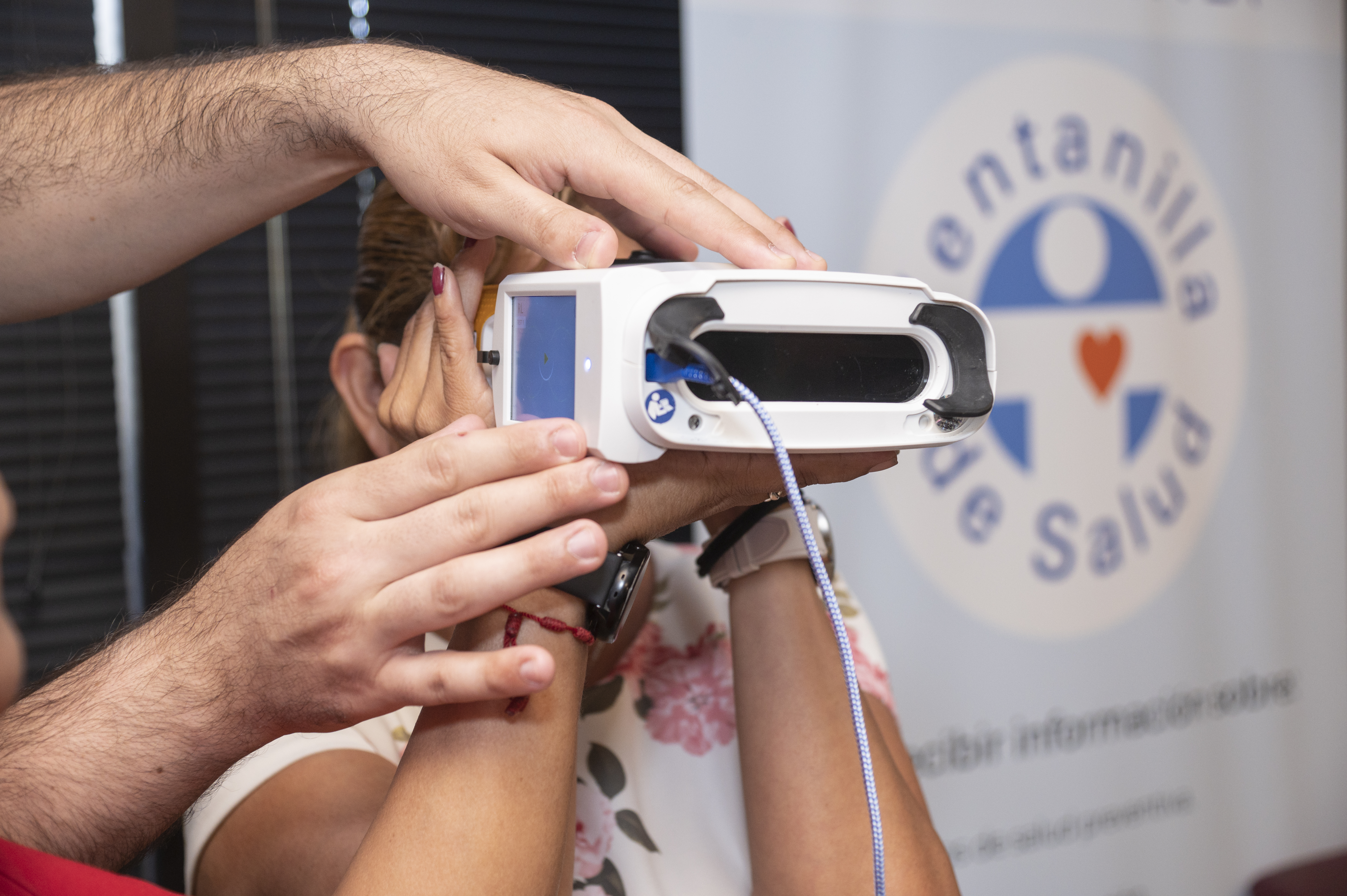
Ventanilla de Salud, Mexican Consulate, Phoenix, Arizona
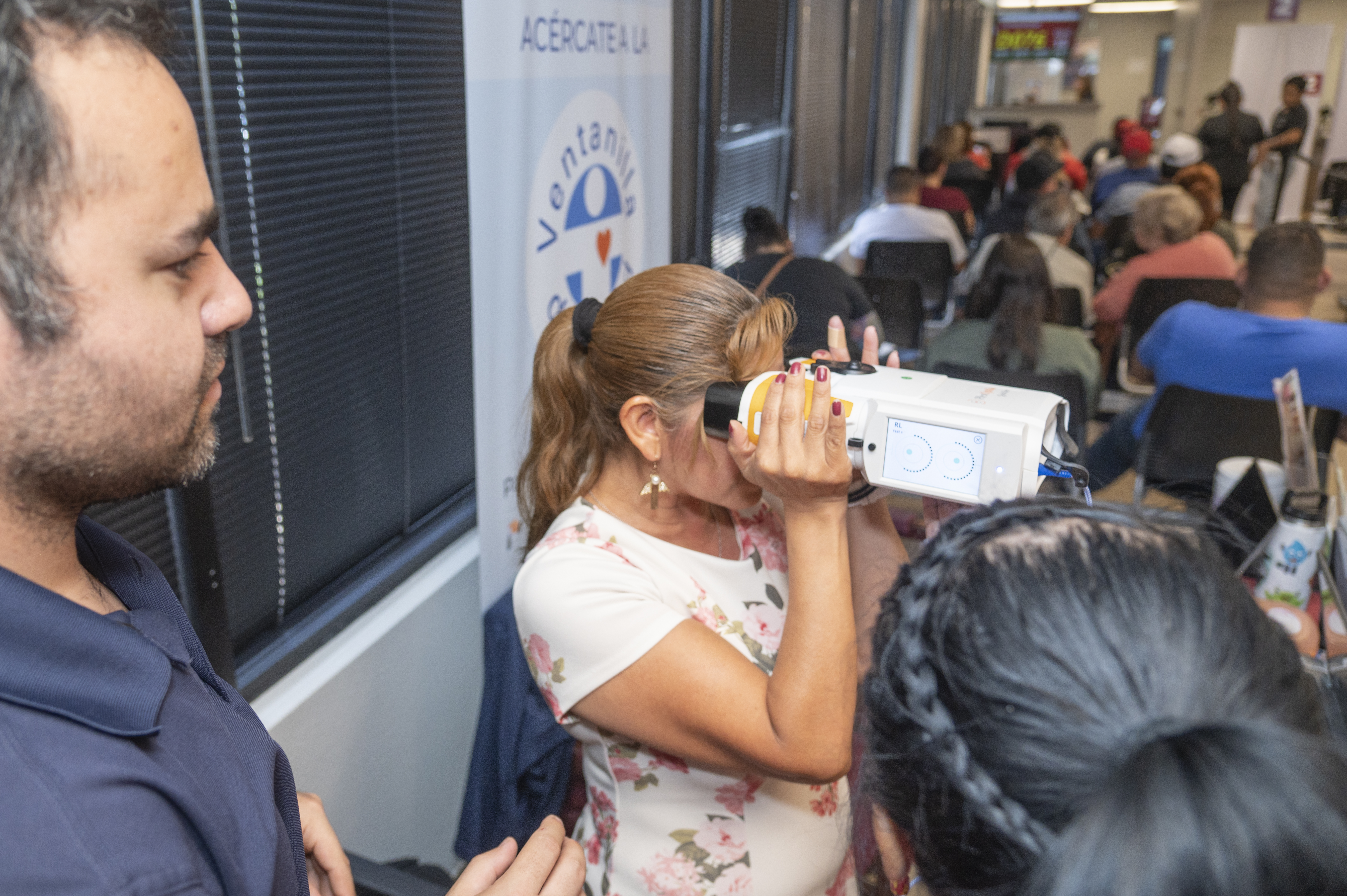
Ventanilla de Salud, Mexican Consulate, Phoenix, Arizona
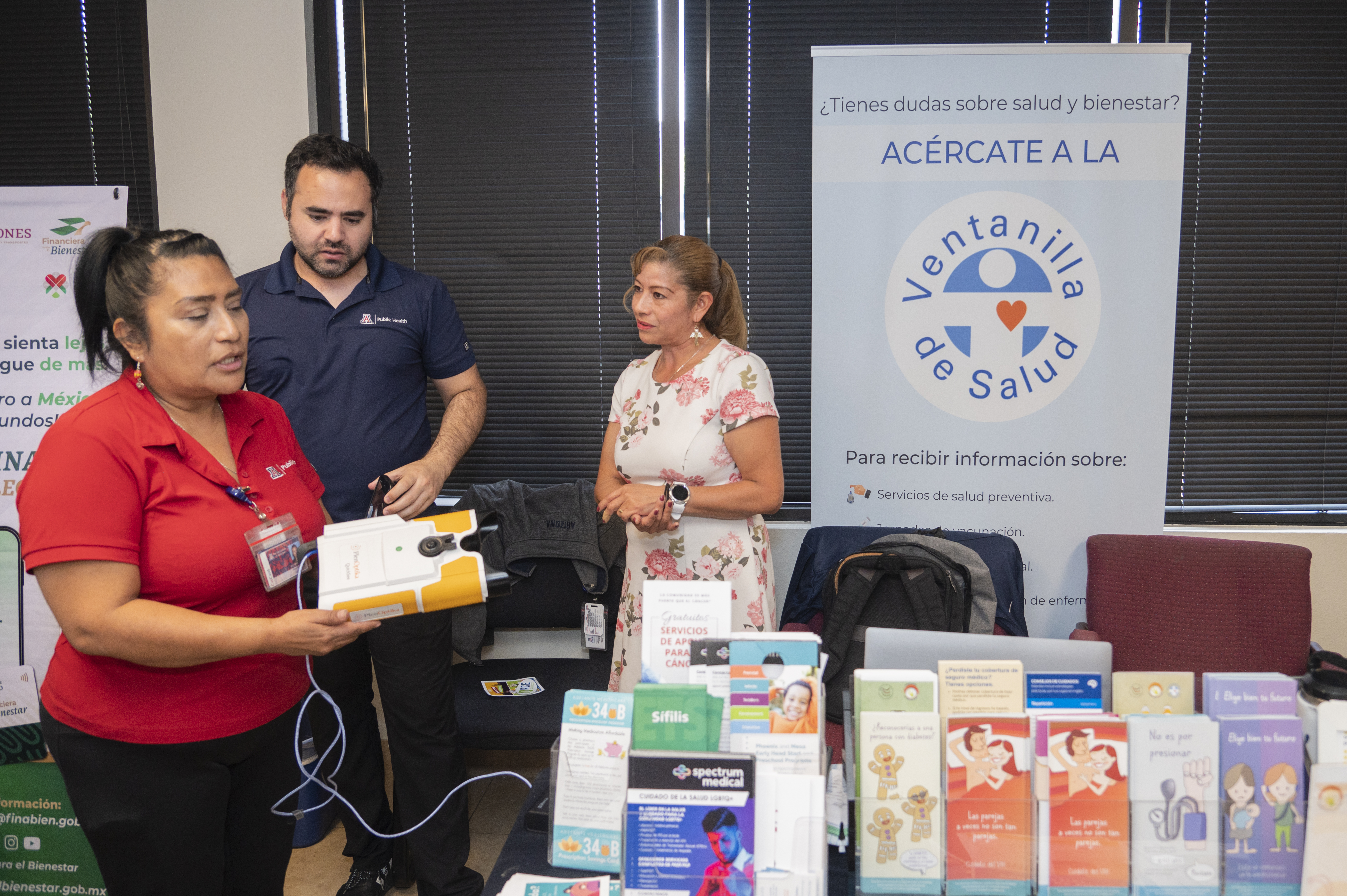
Ventanilla de Salud, Mexican Consulate, Phoenix, Arizona

Ventanilla de Salud, Mexican Consulate, Phoenix, Arizona
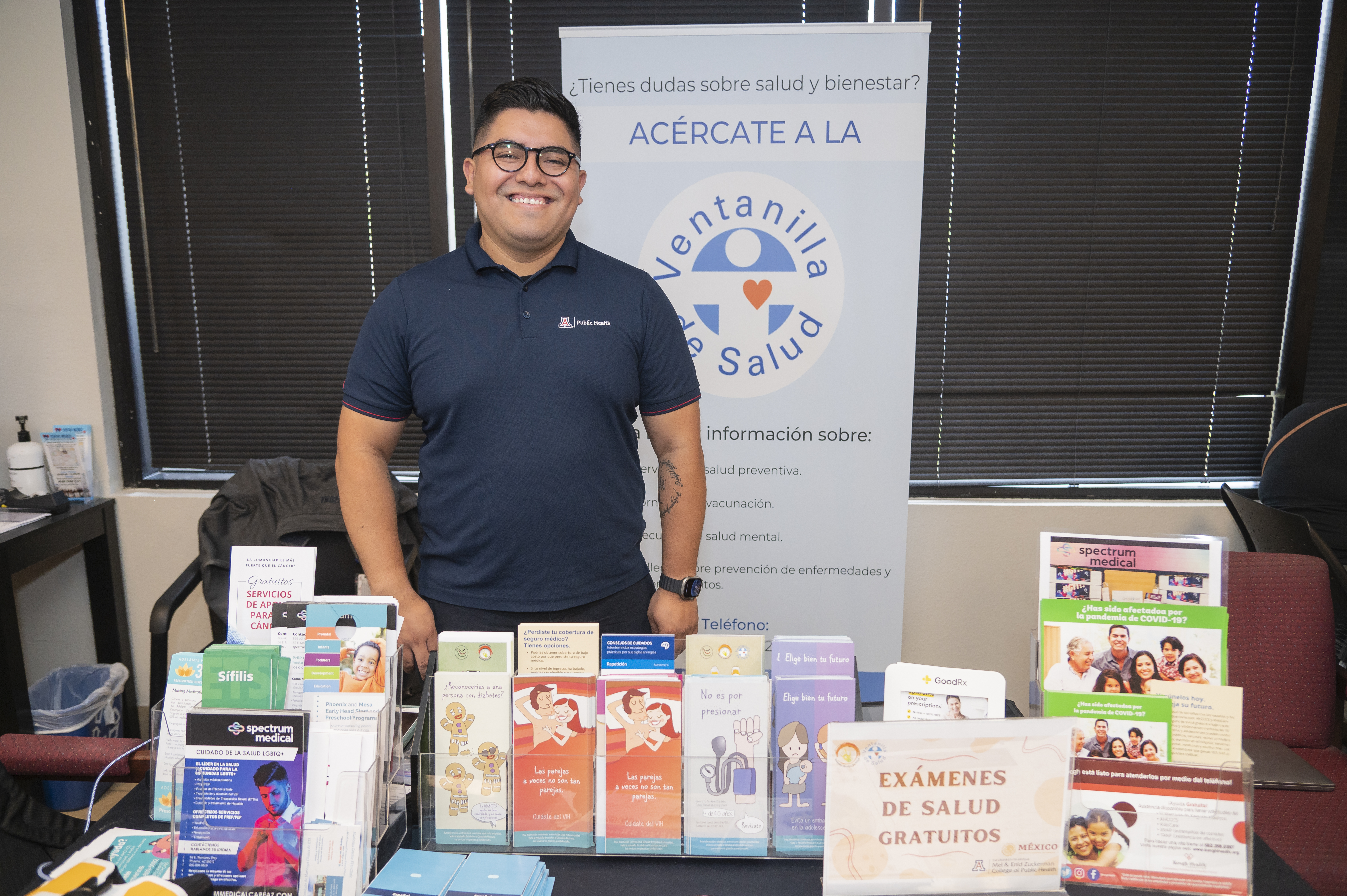
Ventanilla de Salud, Mexican Consulate, Phoenix, Arizona
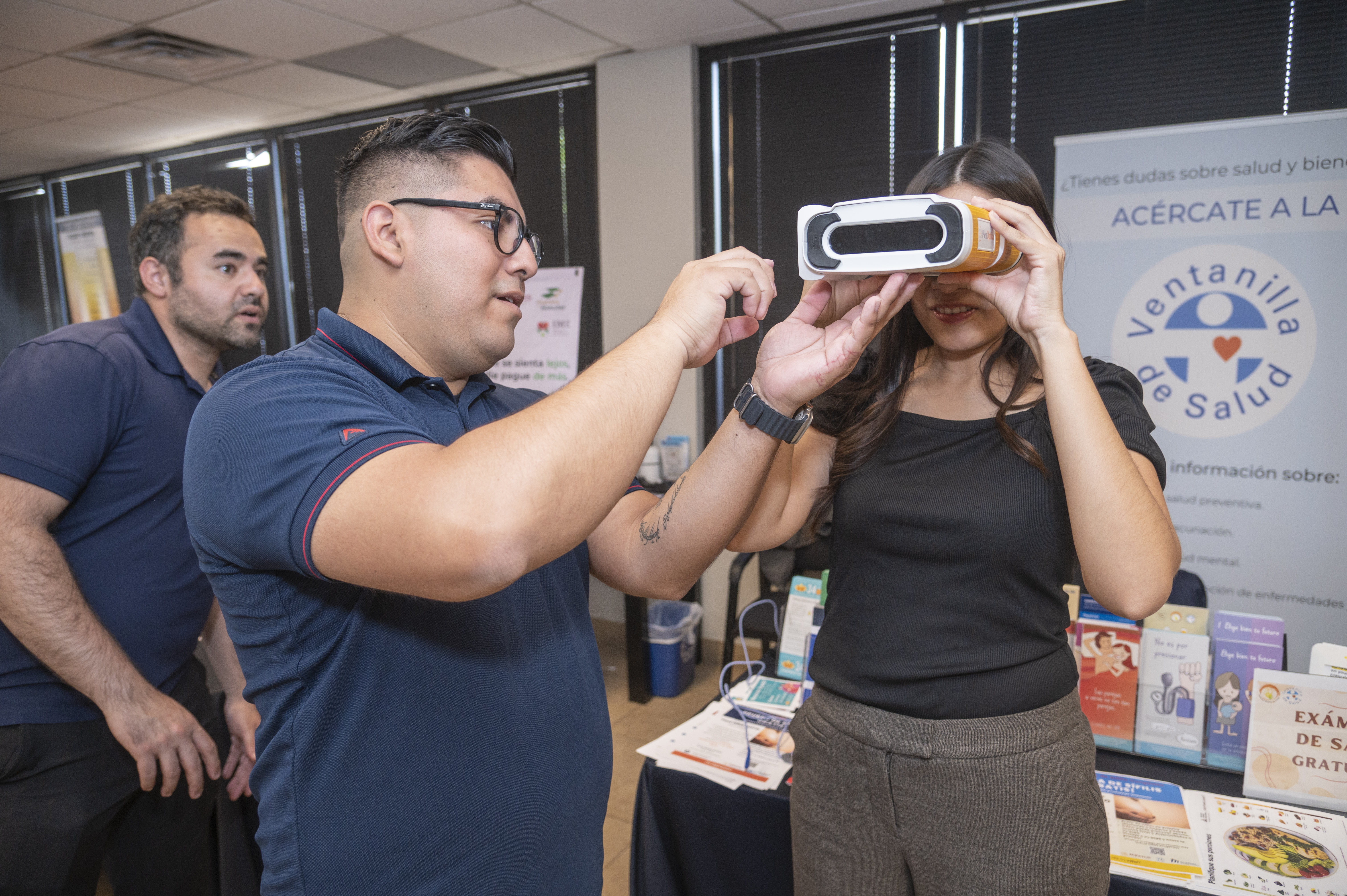
Ventanilla de Salud, Mexican Consulate, Phoenix, Arizona
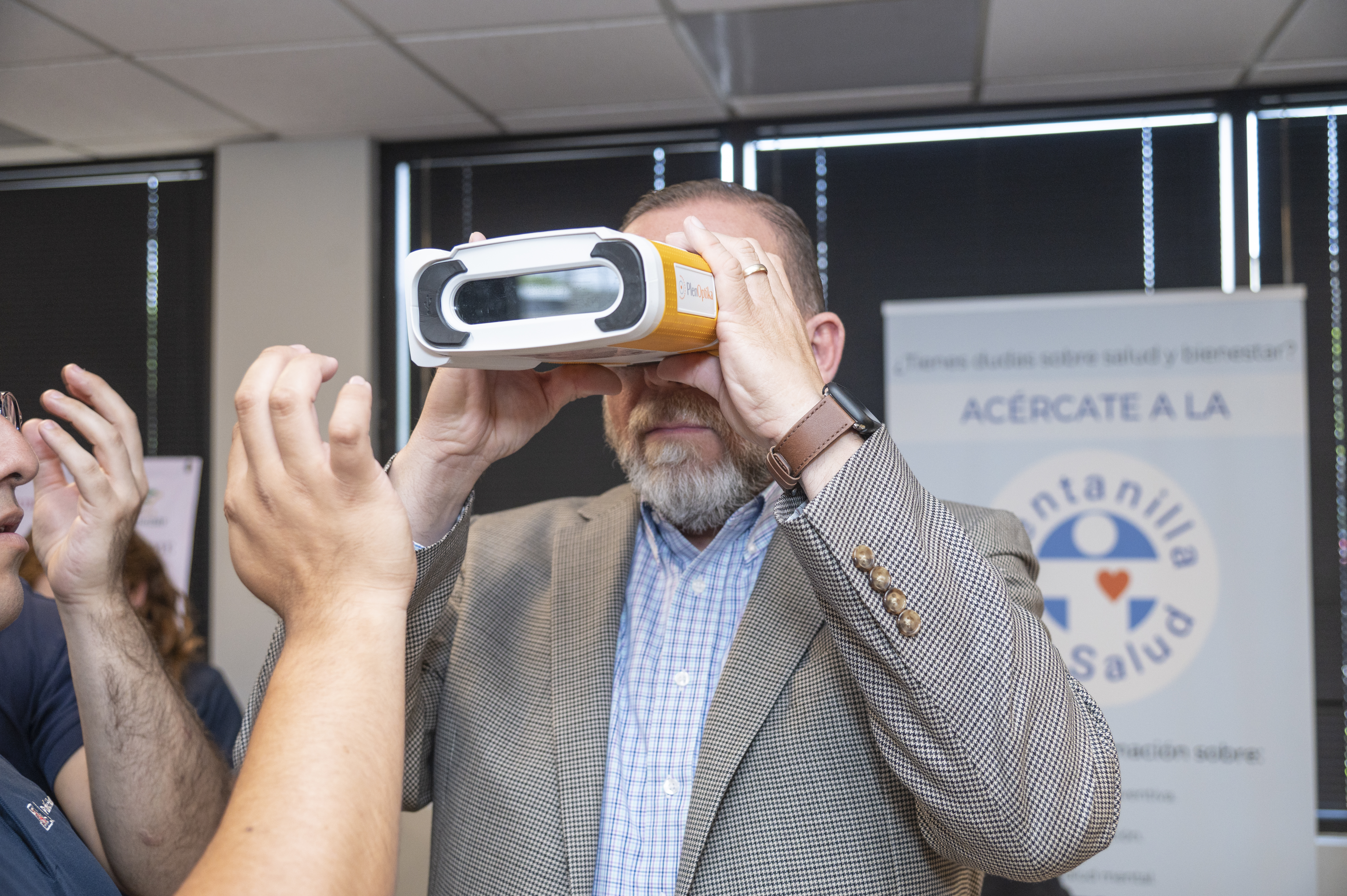
Ventanilla de Salud, Mexican Consulate, Phoenix, Arizona
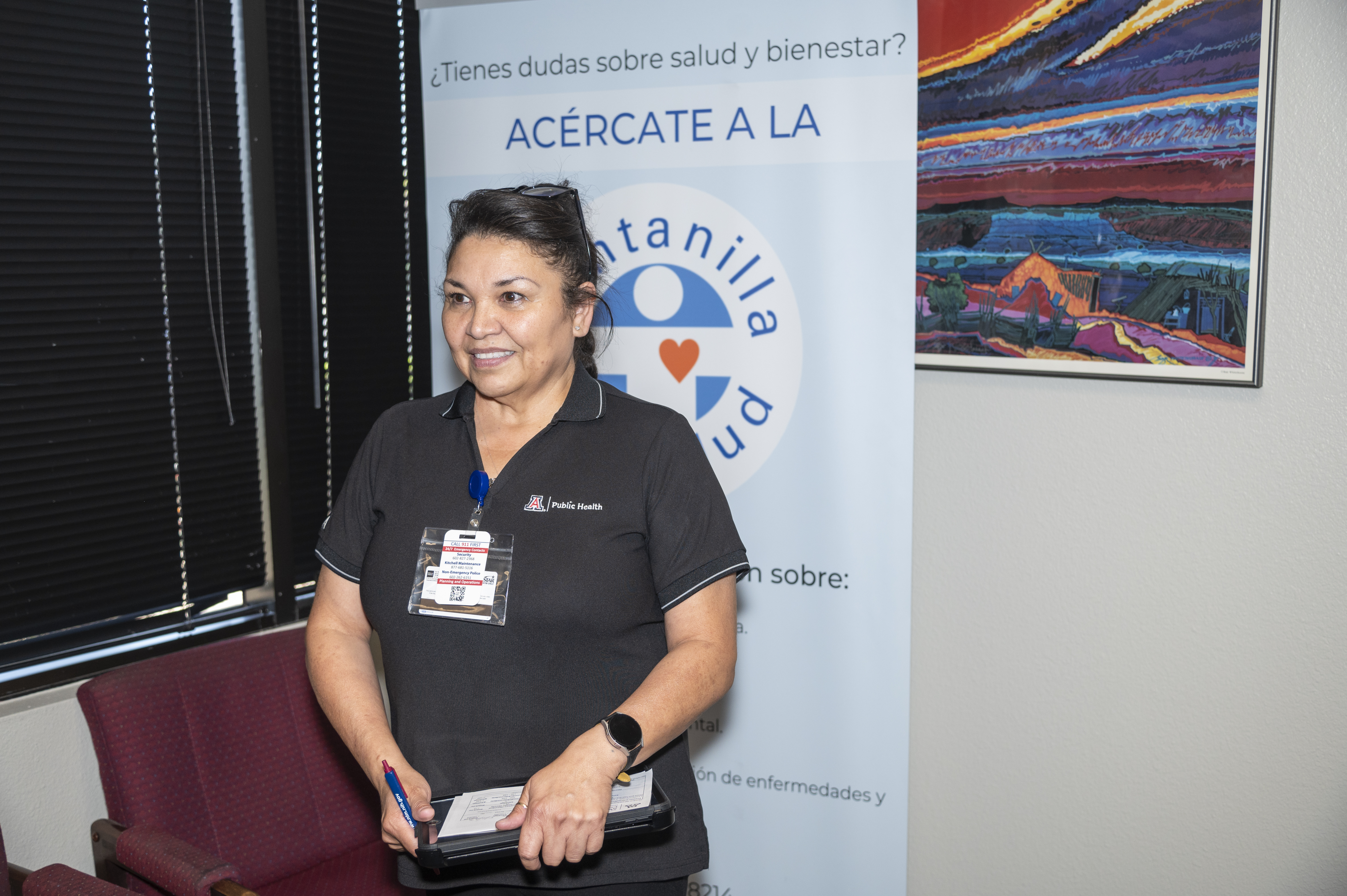
Ventanilla de Salud, Mexican Consulate, Phoenix, Arizona
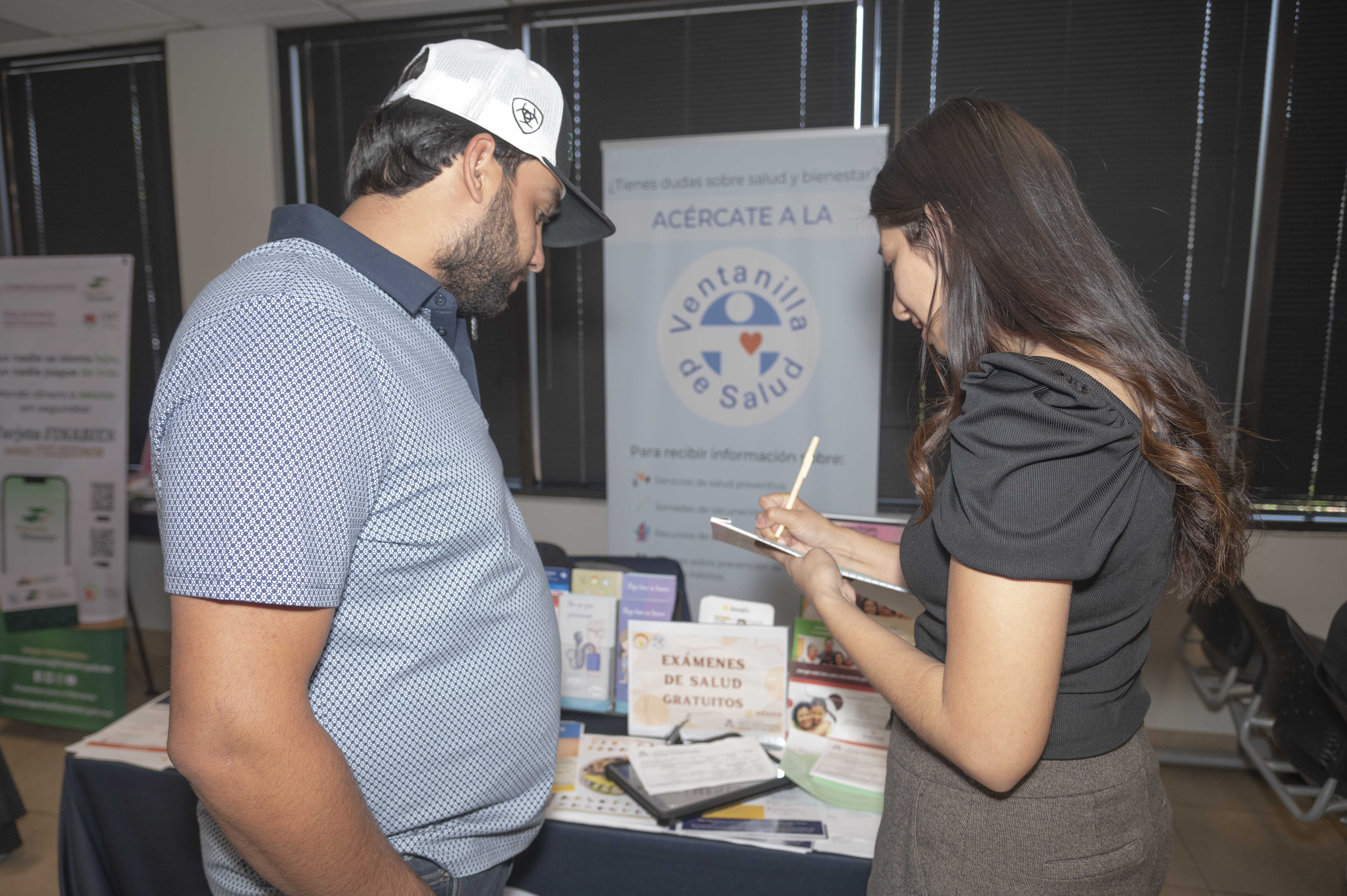
Ventanilla de Salud, Mexican Consulate, Phoenix, Arizona
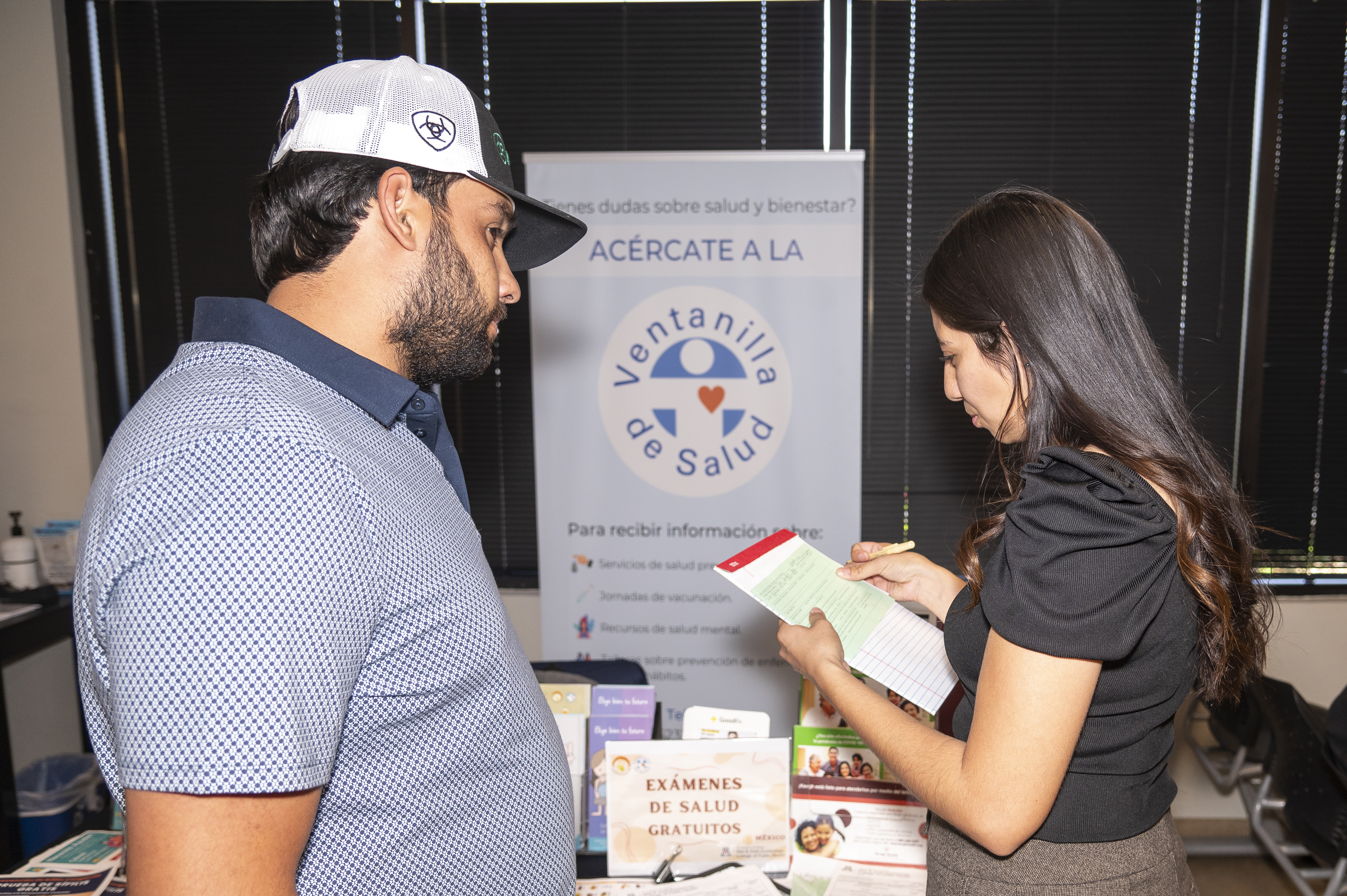
Ventanilla de Salud, Mexican Consulate, Phoenix, Arizona
Ventanilla de Salud (VDS), Mexican Consulate, Phoenix, Arizona, 2023
Photographs by Noelle Rosario Haro-Gomez
Courtesy of Mel & Enid Zuckerman College of Public Health, University of Arizona
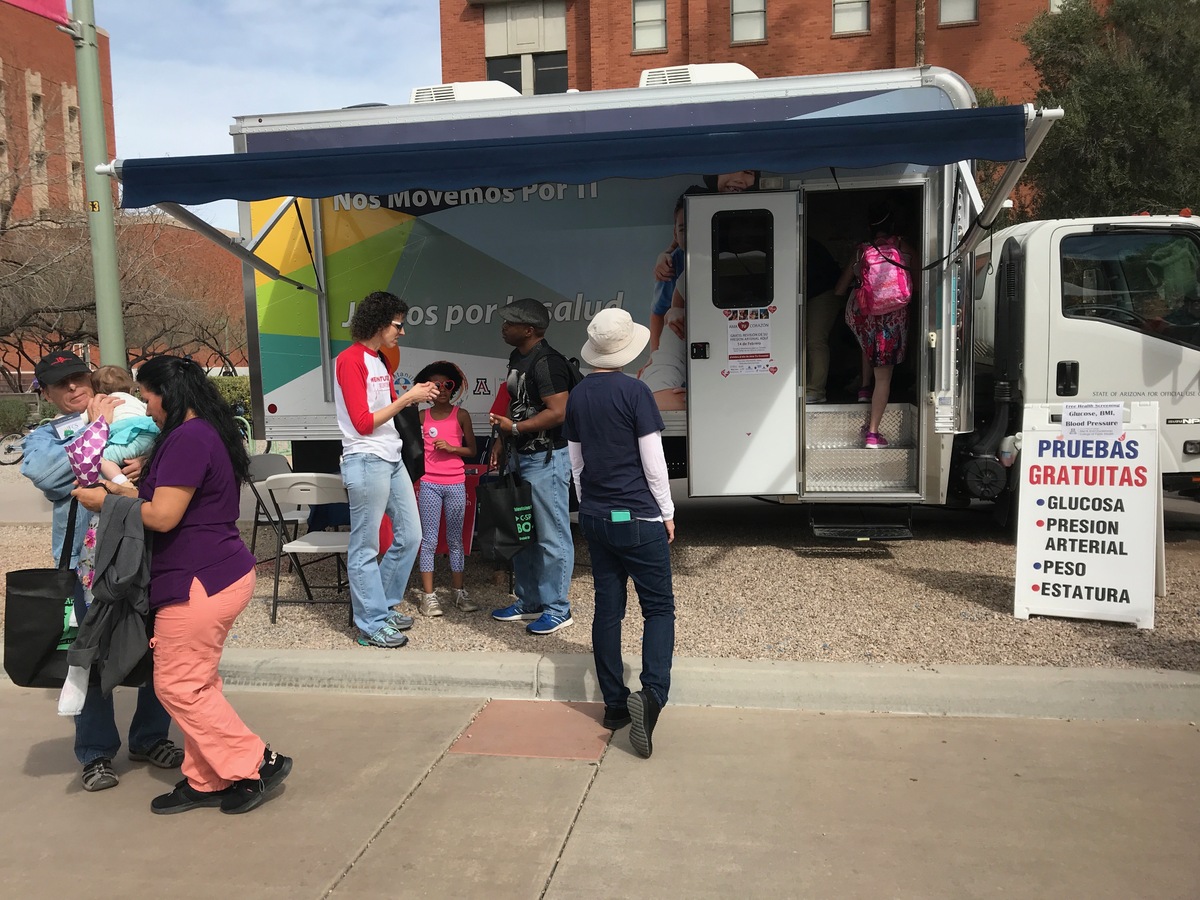
Juntos por la Salud Initiative
To address barriers to accessing preventive health care services for the Latino/Mexican population living in the U.S., the Mexican Section of the U.S./Mexico Border Health Commission launched Juntos por la Salud (JPLS) in 2016. Using mobile health units, JPLS offers health promotion and disease prevention services to Latinos living in 11 locations around the U.S. and complements the Ventanillas de Salud program.
The Mel & Enid Zuckerman College of Public Health, University of Arizona operates JPLS mobile health units around Phoenix and Tucson, providing preventive health screenings, referrals to clinics or community programs, and immunizations. It also offers health education on issues such as nutrition, obesity, diabetes, women’s health, mental health, substance abuse, and HIV/AIDS and other sexually transmitted diseases.
While the majority of the people served by JPLS are of Mexican origin, the initiative also offers its services to people from Central America, South America, and the Caribbean.