
Why Access to Food is a Health Equity Issue
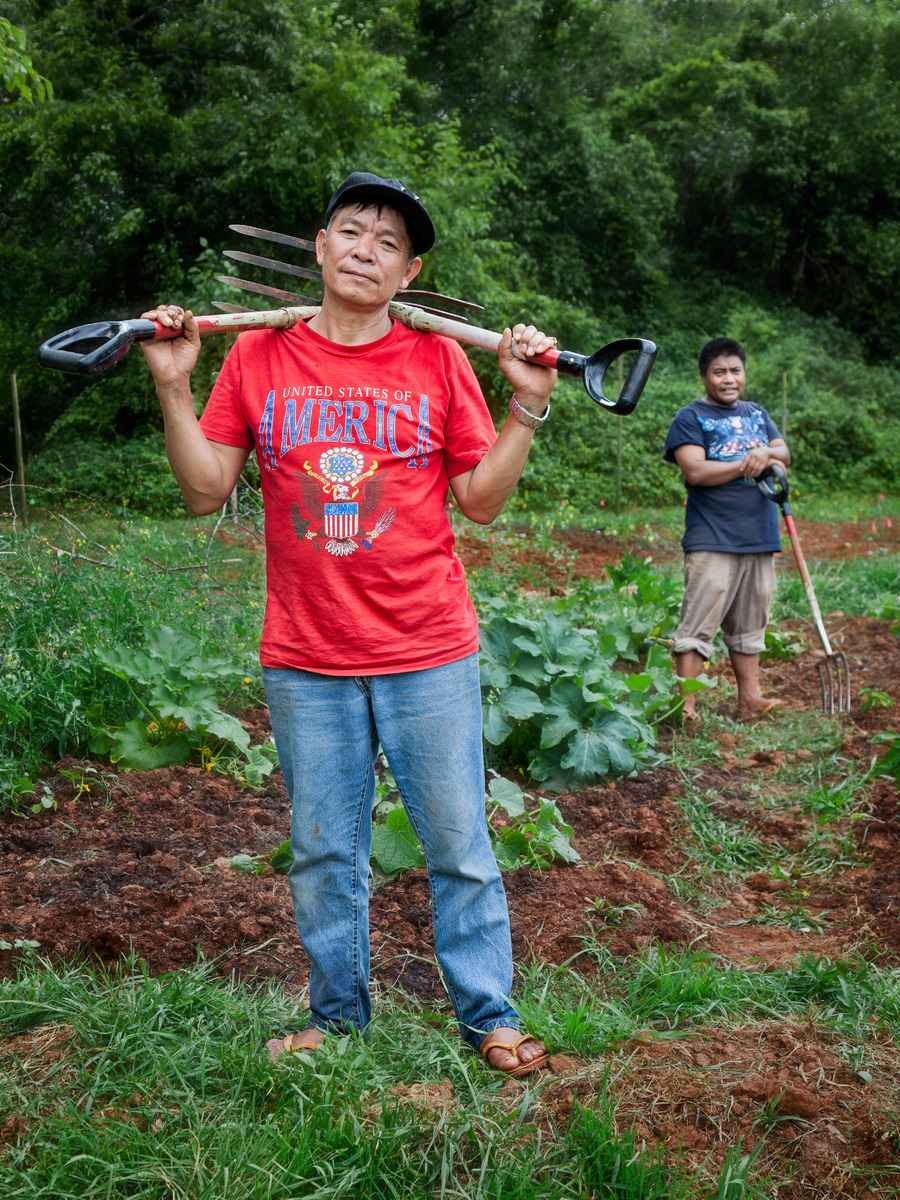
Directly impacting health and overall well-being, access to nutritious foods is a human right. The variety, availability, and quality of food accessible to individuals are significantly influenced by geographical location, socioeconomic status, and a complex web of policies that govern food production, distribution, and retail environments. These factors collectively determine the ease with which communities can obtain the foods they need.
Access to food is not solely about the physical availability of certain items: it also encompasses the preservation and promotion of traditional food cultures fundamental to the identity and heritage of different communities. For example, Indigenous cultures boast unique food practices that have been honed over centuries, gathering not just nutritional wisdom but also the history, values, and collective memory of its people. To increase access, communities are supporting local agriculture, highlighting cultural food practices, and filling the gaps left by traditional retail stores.
In addition to exploring how American Indian and Alaska Native people are reclaiming traditional food practices, we also look at the Healthy Corner Stores Initiative encouraged by the U.S. Department of Agriculture (USDA) and the activism of local food equity movements. They are examples of programs based on the understanding of the cultures, values, resources, and environments that influence healthy eating and food choices.
Click Below to Learn More About How Communities are Working Towards Greater Food Access
 |
 |
 |
 |
 |