
The Environment as a Health Equity Issue
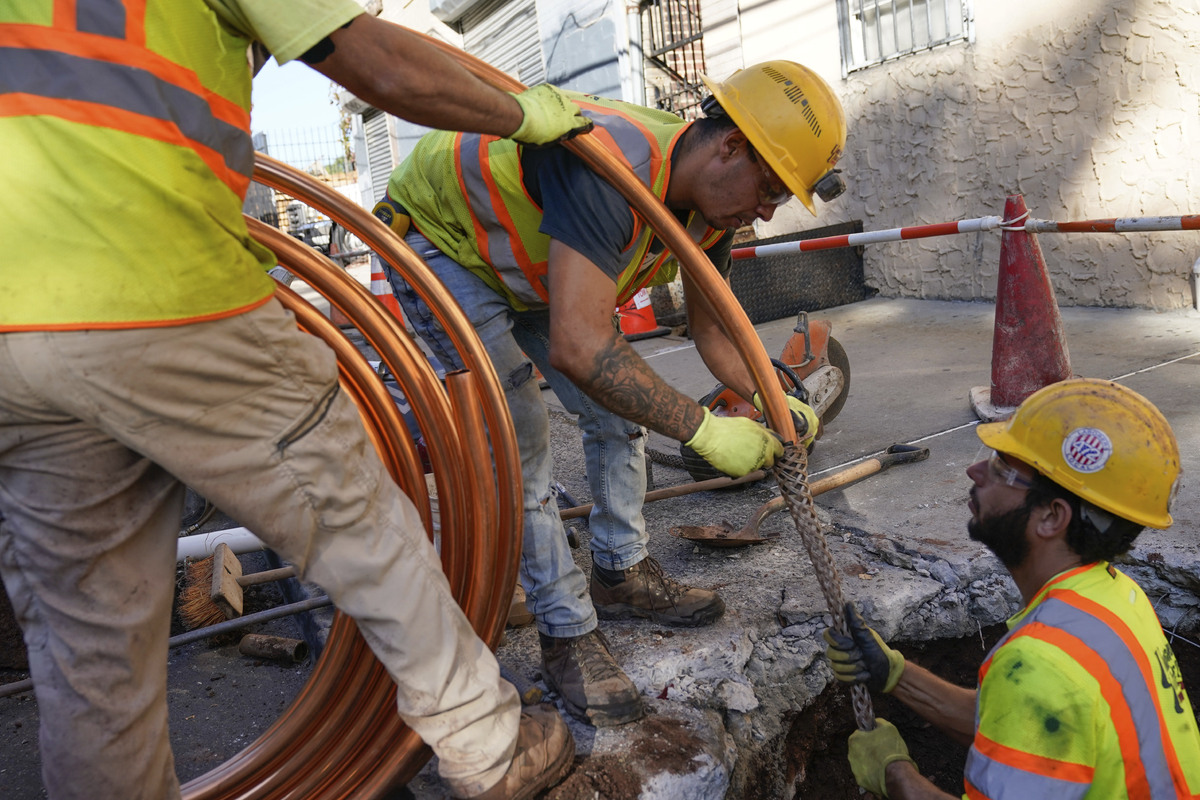
Ensuring a safe environment for all is complex. But there are solutions in which citizens and local, state, tribal, and federal governments have roles to play.
There are many environmental justice stories to tell from across the U.S.: environmental conditions, including air and water quality, exposure to pollutants and toxins, and the availability of green spaces, play an outsized role as a structural determinant of health. Here we offer one case study—the recent replacement of early 20th century lead water pipes in Newark, New Jersey to provide citizens with safe drinking water.
Communities living in areas with inadequate access to clean water can suffer from lead exposure or waterborne illnesses, while high levels of air pollution can place people at greater risk of respiratory diseases, such as asthma and chronic obstructive pulmonary disease (COPD). Historically, polluting industries and waste disposal sites were most often located in minority or low-income communities. Lax or inconsistent local governmental oversight favored private enterprise over community interests, a social phenomenon known as environmental racism.
The legacy of these facilities and their proximity to communities continues to contribute to areas bearing a disproportionate burden of environmental challenges and associated health issues. But as Newark tells us, where there is a will, there is a way.
Click Below to Learn More About Environmental Justice
 |
 |
 |