
Safe Drinking Water in Newark, New Jersey
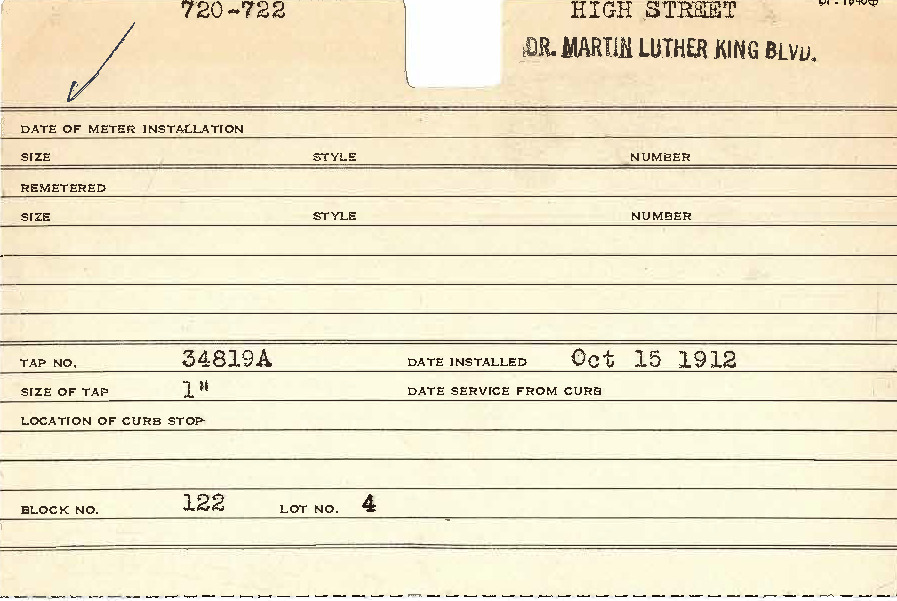
CDC reports that there is no safe level of lead in water and even low levels can affect a child’s intelligence, learning ability, and behavior. Today, cities across the U.S. are grappling with the legacy of lead water pipes that can leach lead into drinking water. Historically minoritized groups and communities with low incomes are often the most impacted. Case in point is Flint, Michigan. The significant lead contamination in its drinking water was discovered in 2014. Flint’s story has served as a wake-up call to cities across the U.S. also facing aging lead pipe issues.
In 2016, the City of Newark was thrust into its own lead crisis. The remedy took a while to get off the ground, but starting in 2019 and working at the height of the COVID-19 pandemic, Mayor Ras Baraka replaced its 23,000 lead service lines (LSL) with copper. Through political will and innovation, Newark accomplished this feat in part by securing millions in bonds and adopting an ordinance that would allow it to replace lines independently of the owner, many of whom were absentee. At the same time, the City was spurred on by grassroots and national activists who took to the streets and to the courts. At the end of the day, Newark offers a model that cities and the federal and state governments charged with overseeing environmental health can use.
Click Below to Learn More About How Newark Replaced its Lead Service Lines
 |
 |
 |