
Promoting Worker's Health: Greater Lawndale Lotería Game
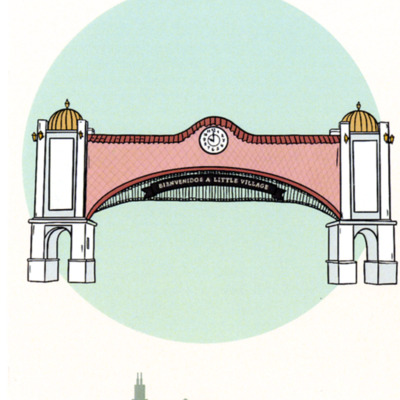
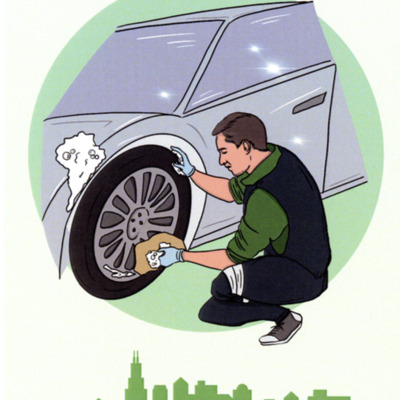
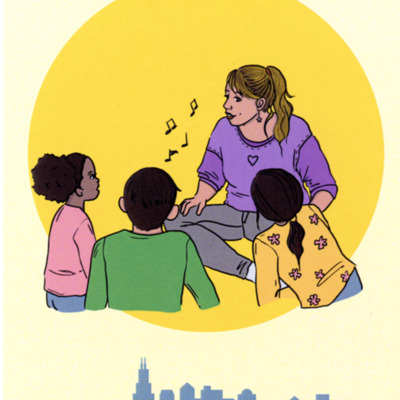
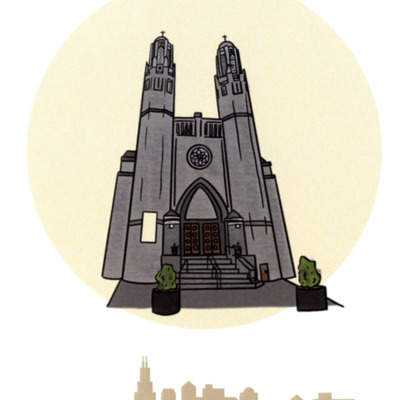
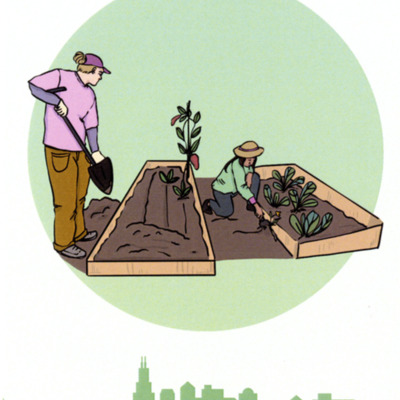
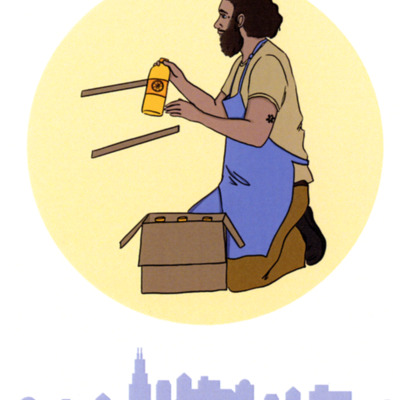
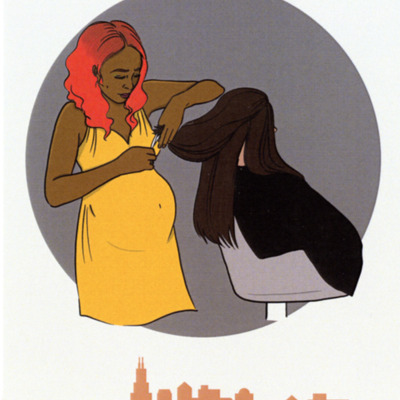
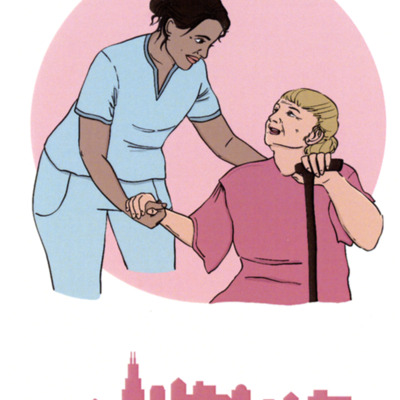
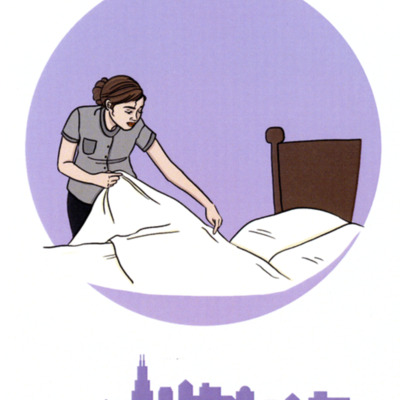
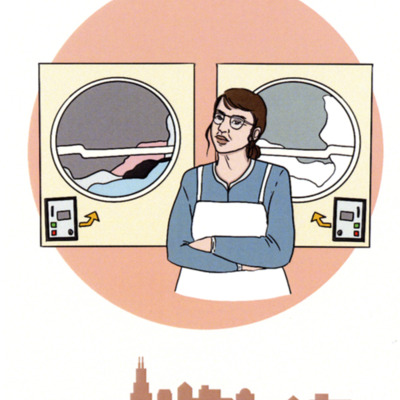
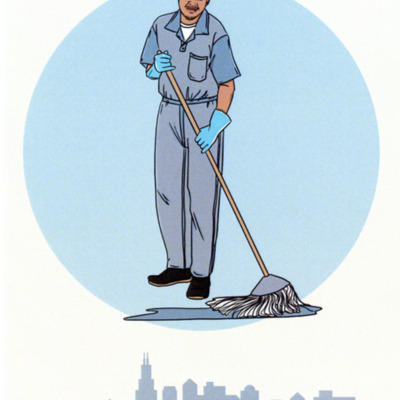
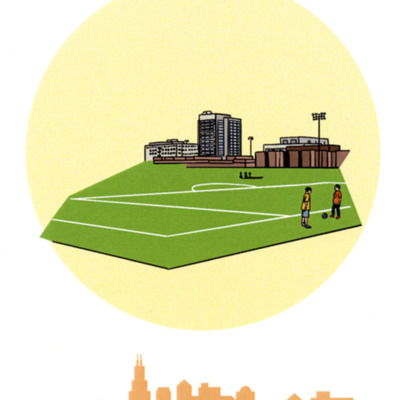
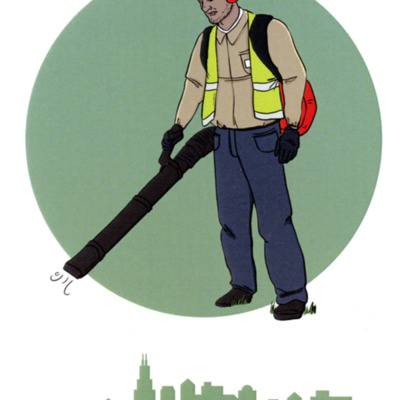
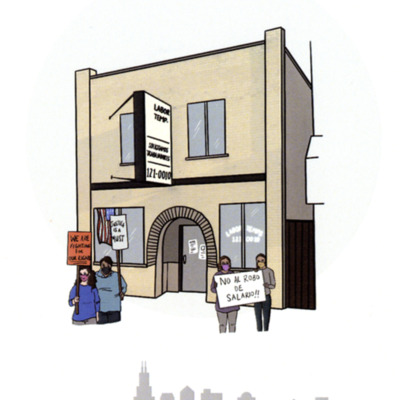
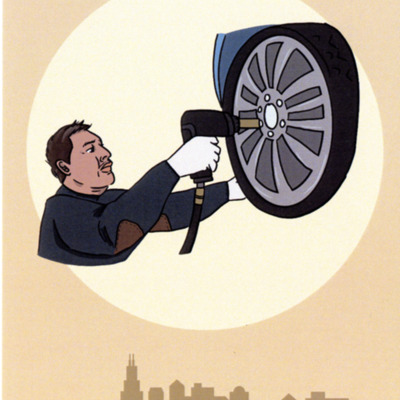
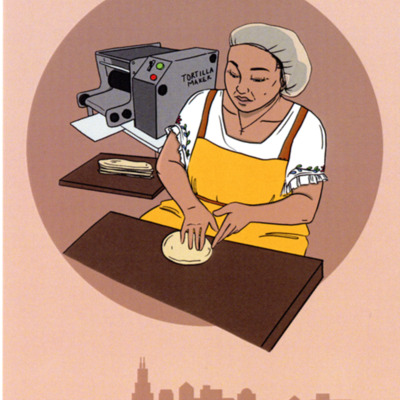
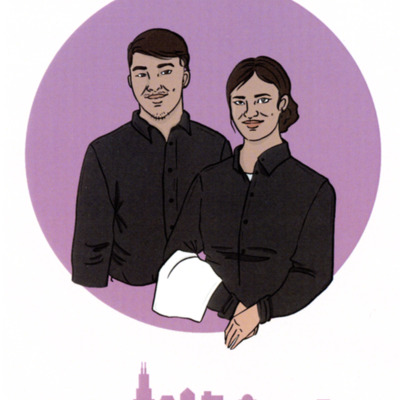
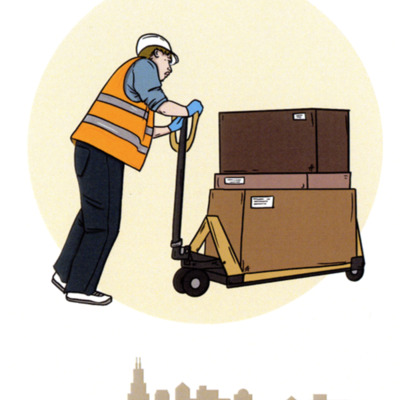
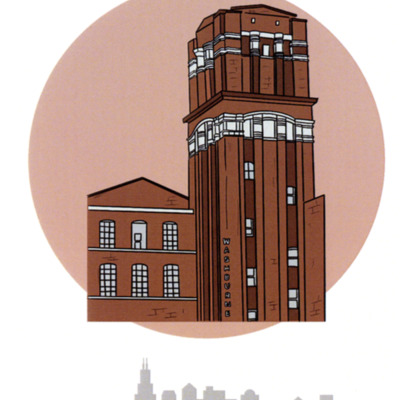
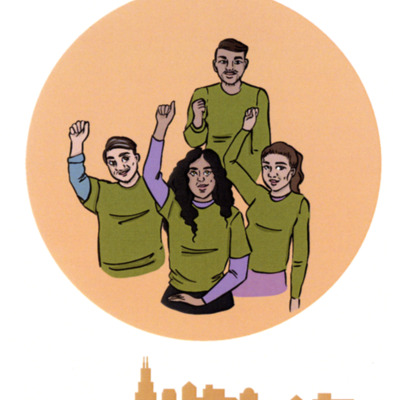
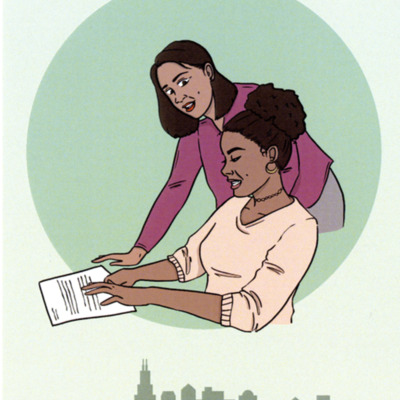
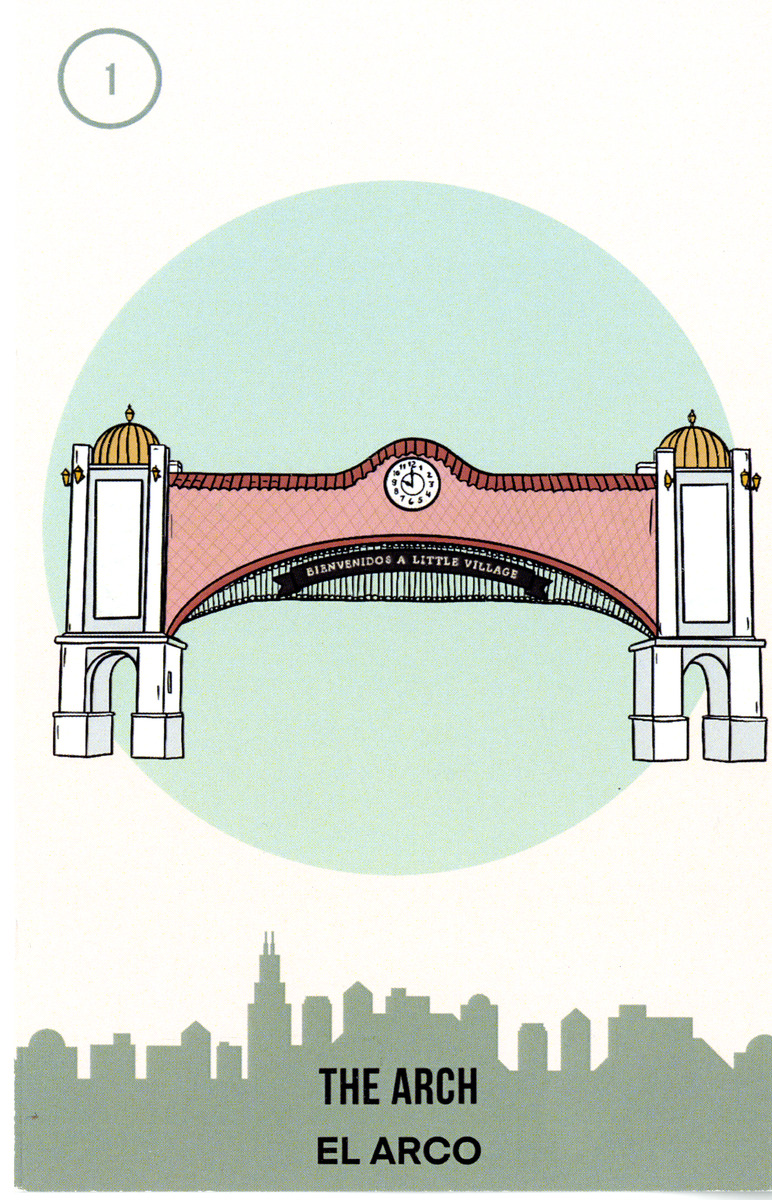
Card 1 - The Arch
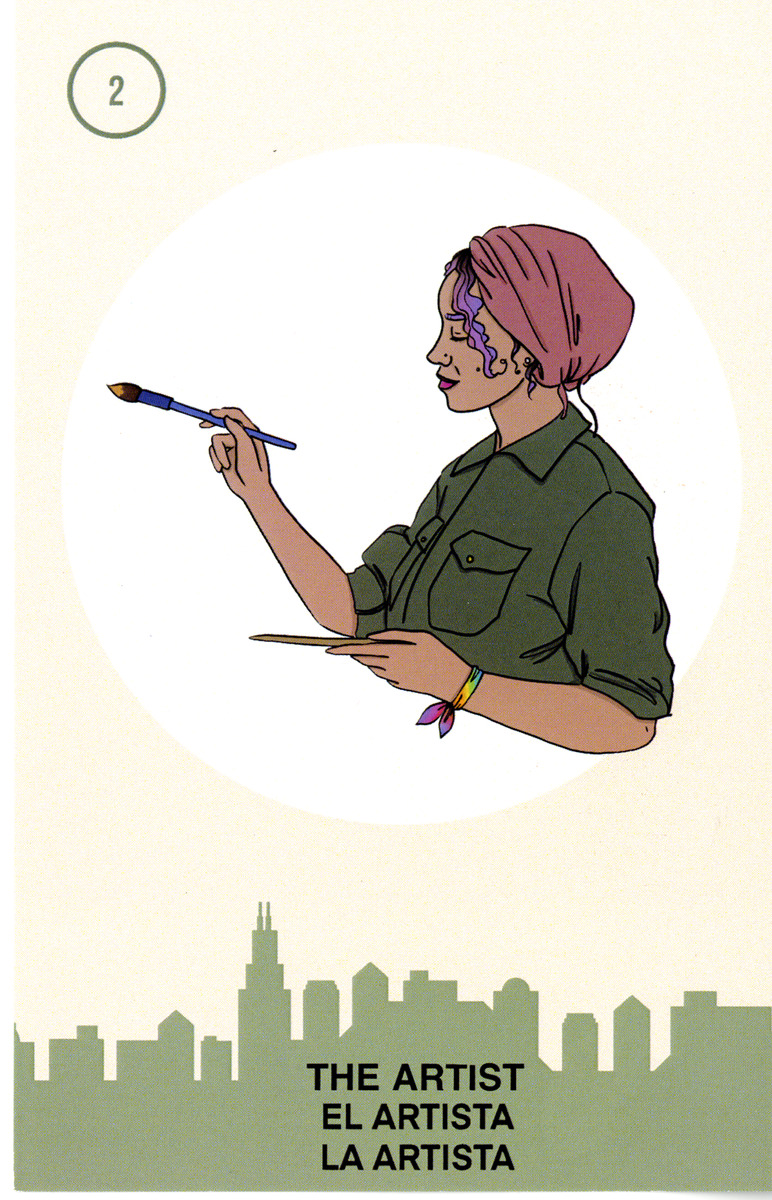
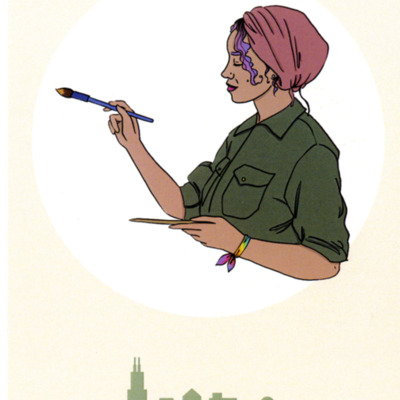
Card 2 - The Artist
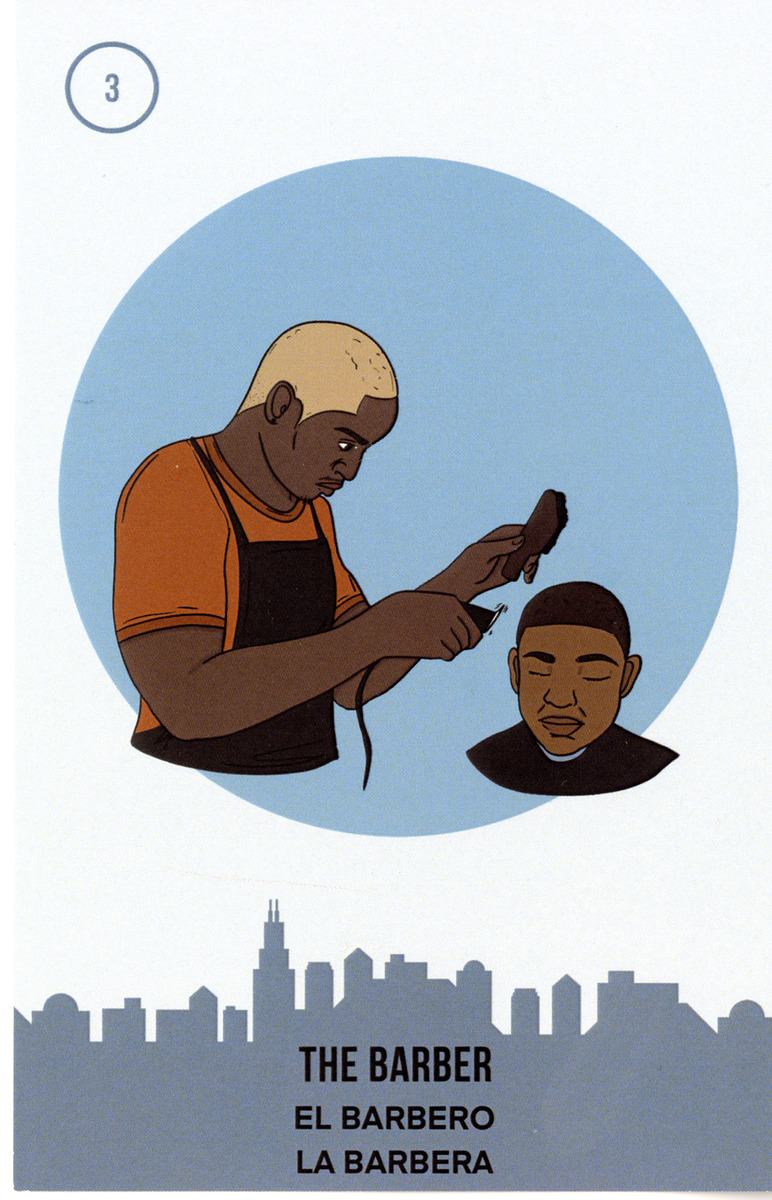
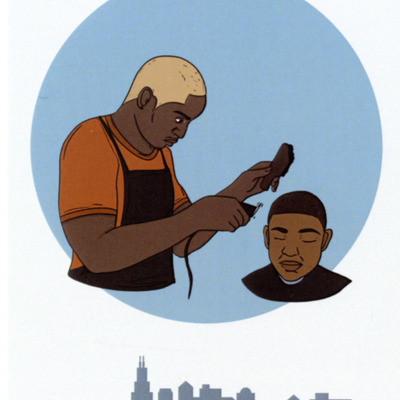
Card 3 - The Barber
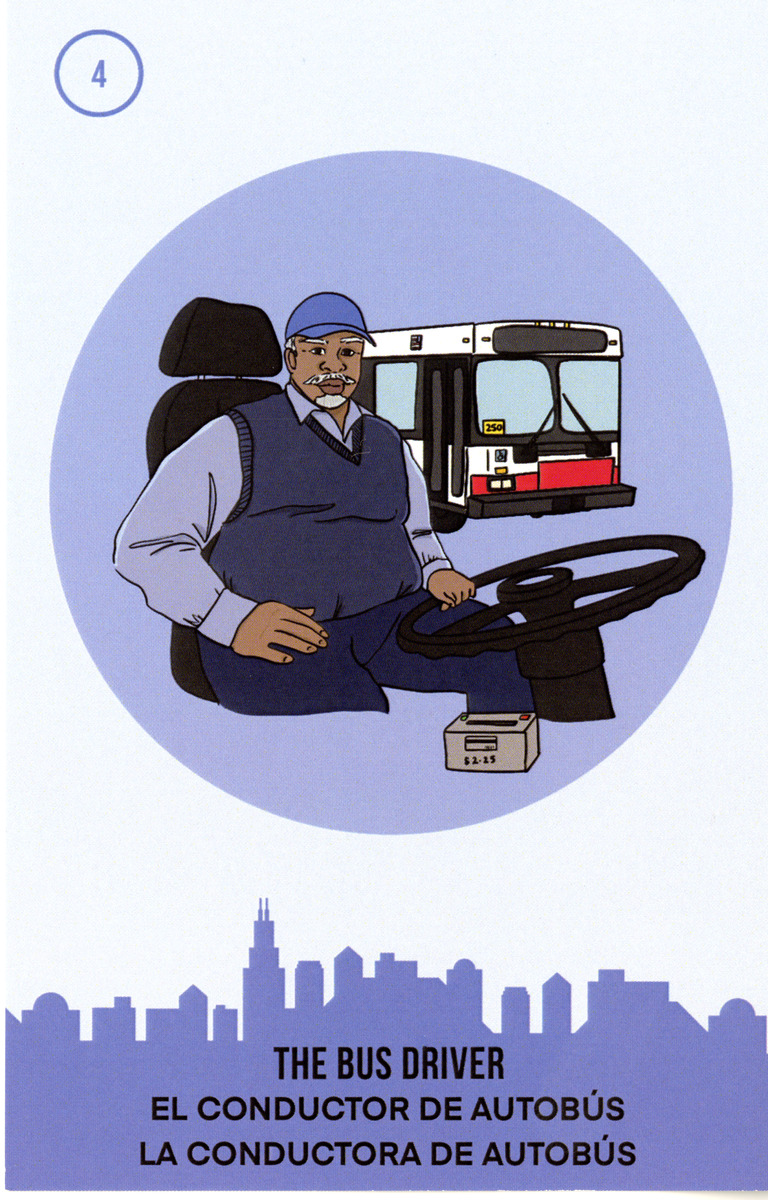
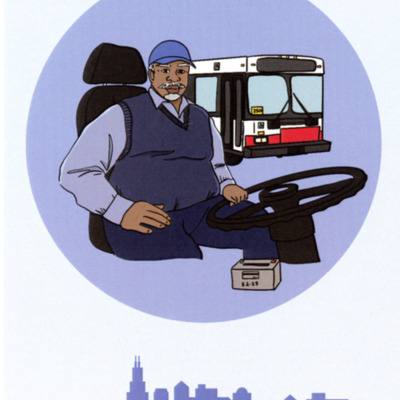
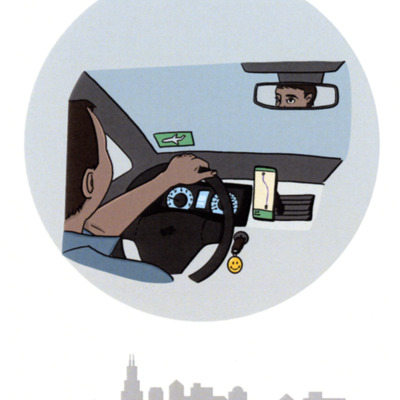
Card 4 - The Bus Driver
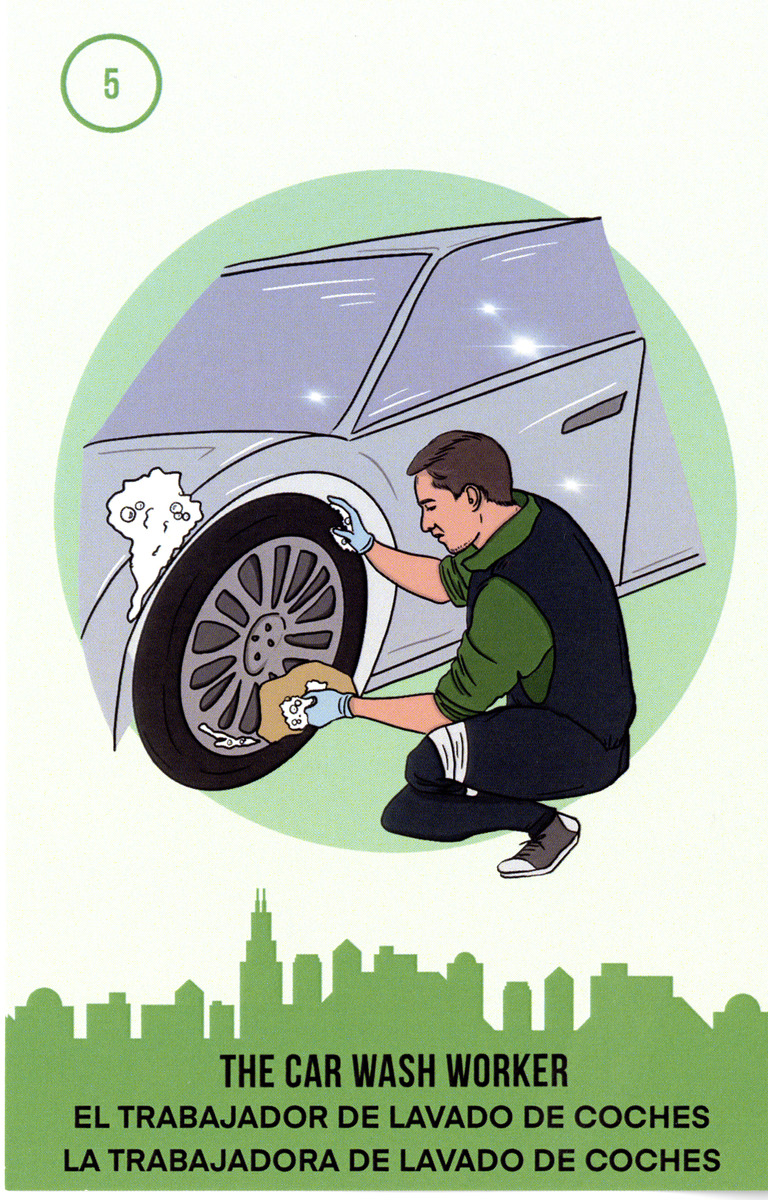
Card 5 - The Car Wash Worker
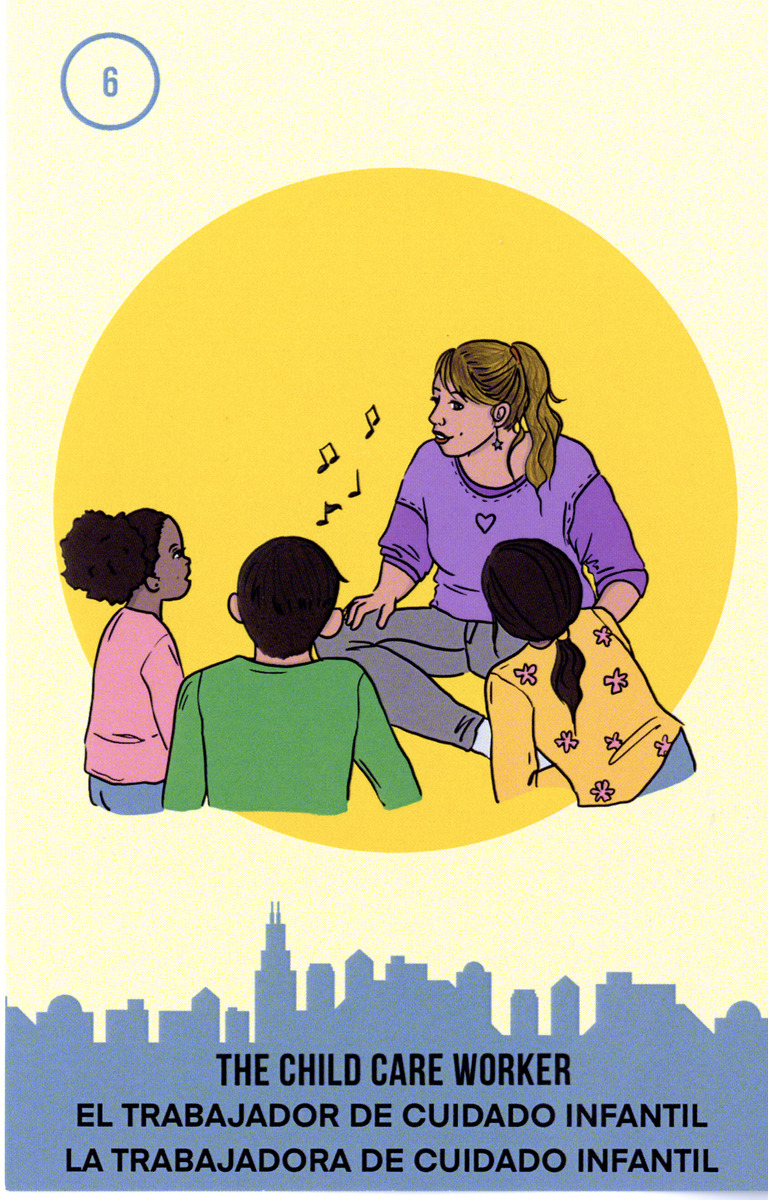
Card 6 - The Child Care Worker
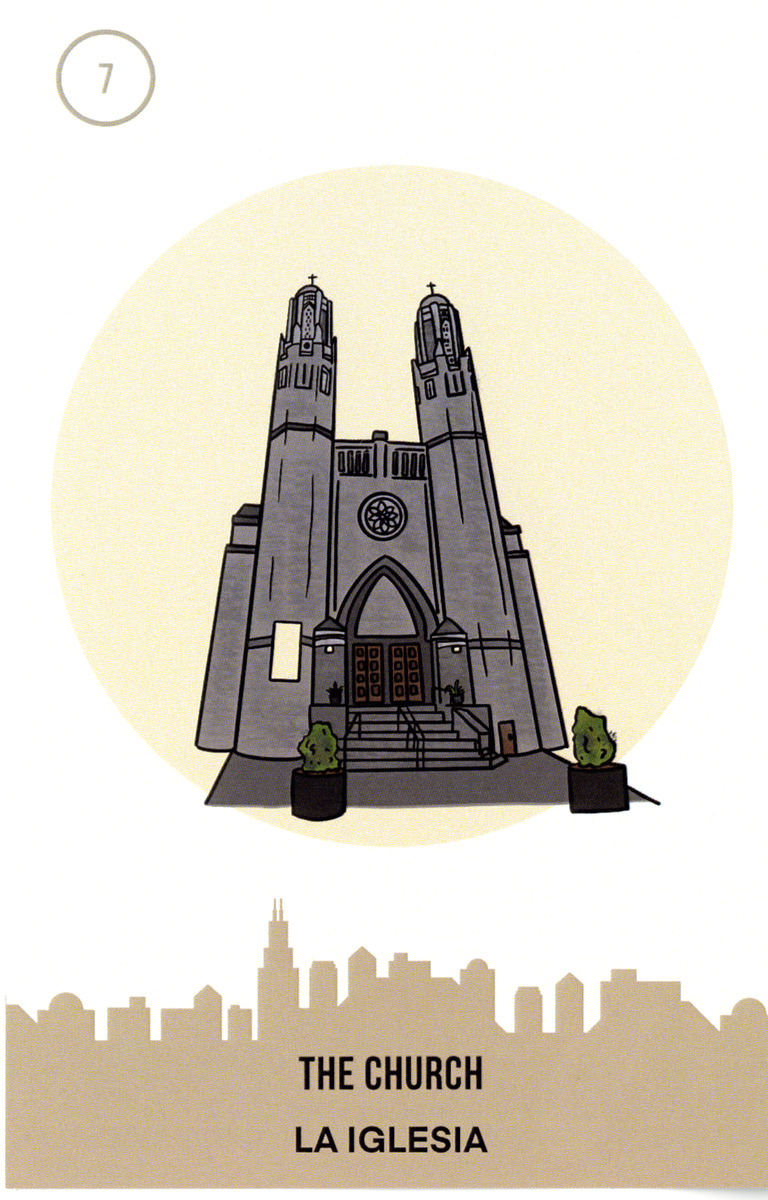
Card 7 - The Church
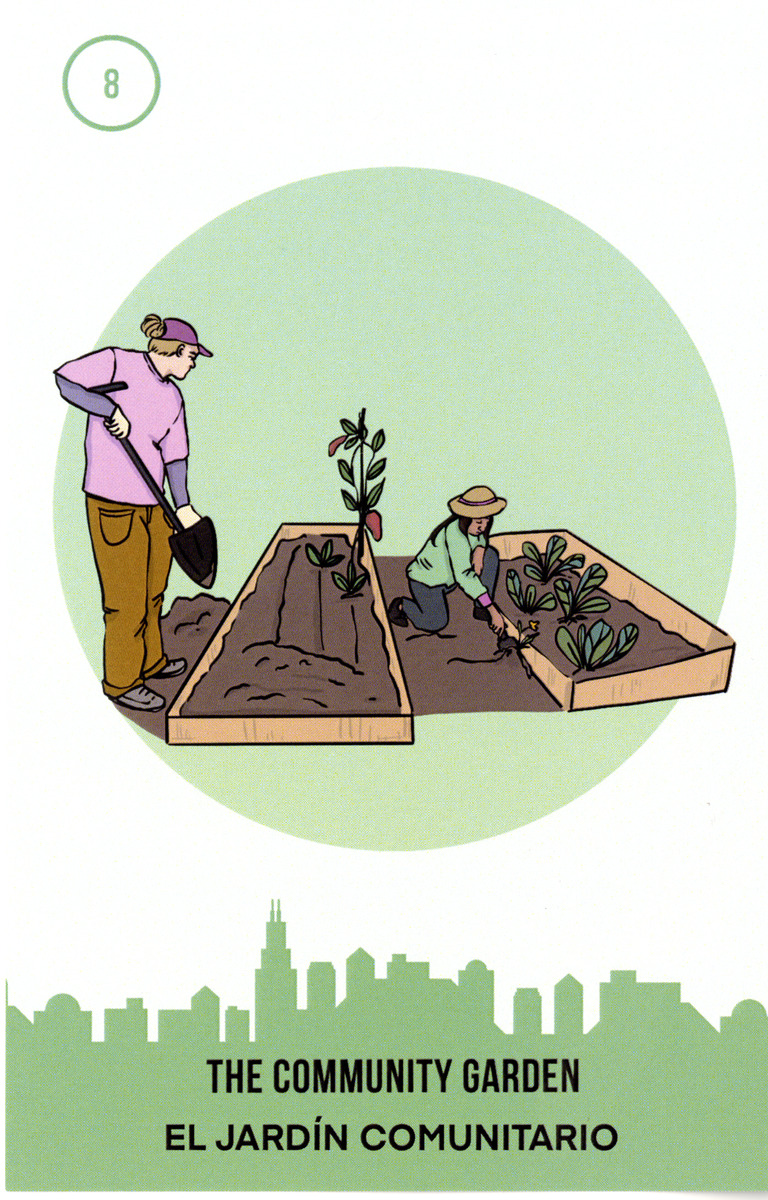
Card 8 - The Community Garden
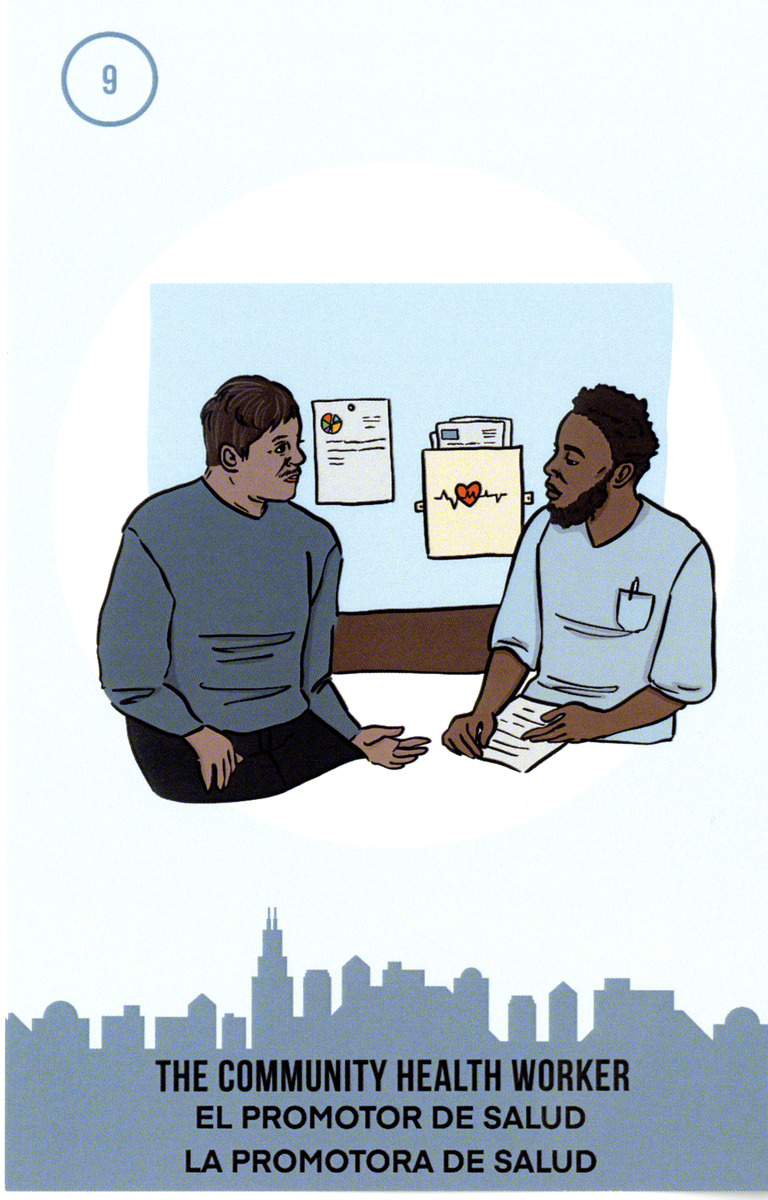
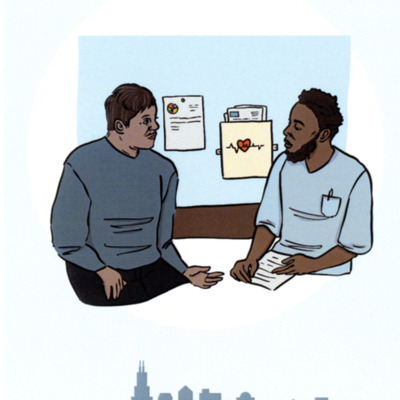
Card 9 - The Community Health Worker
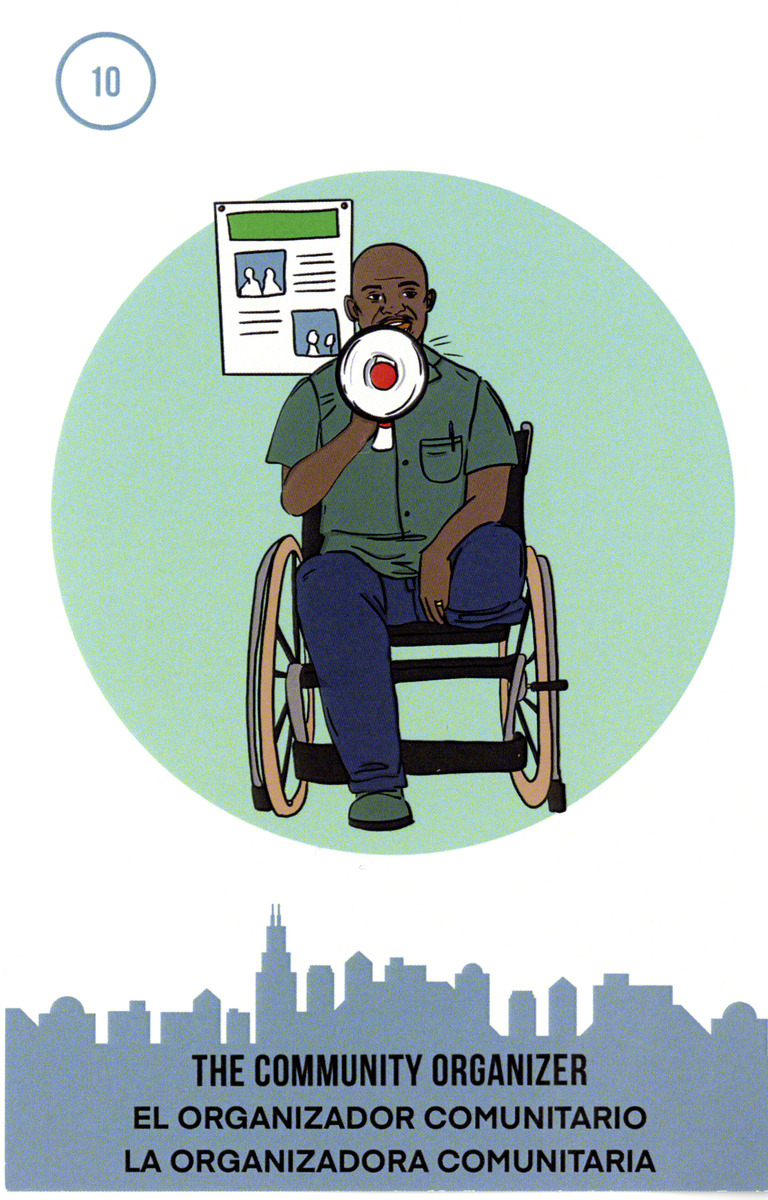
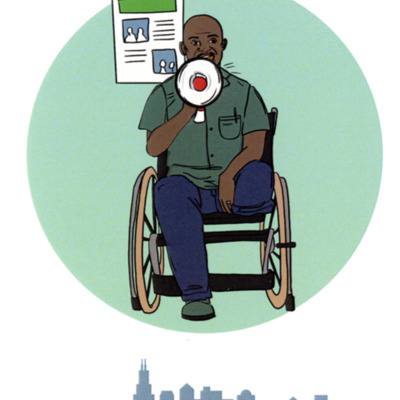
Card 10 - The Community Organizer
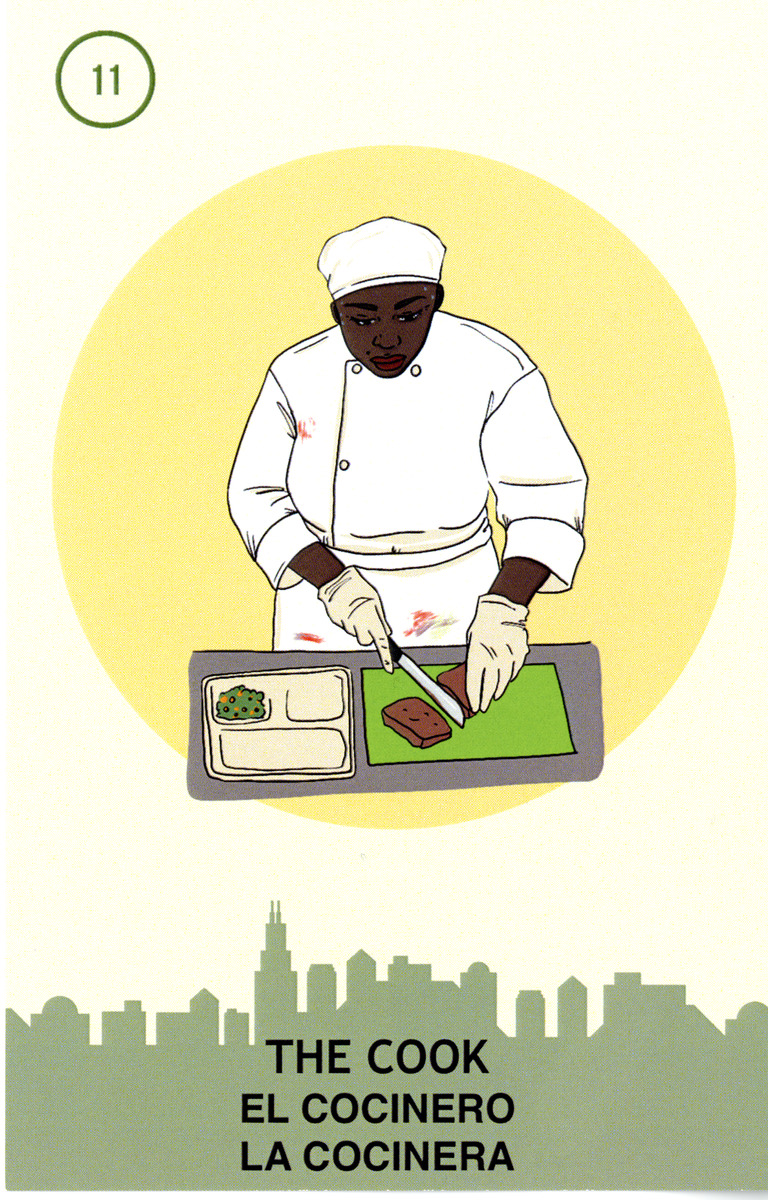
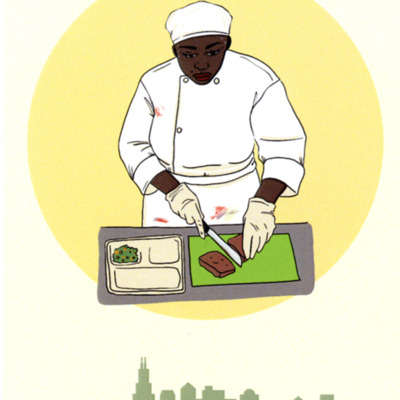
Card 11 - The Cook
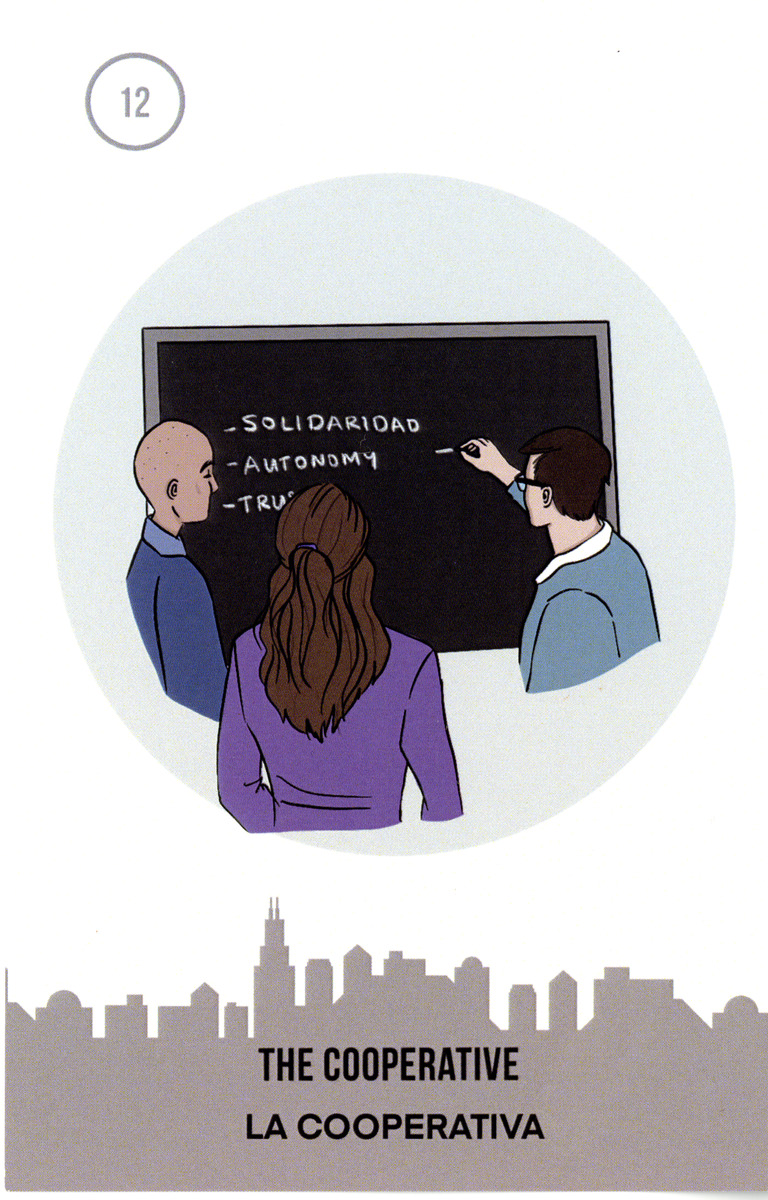
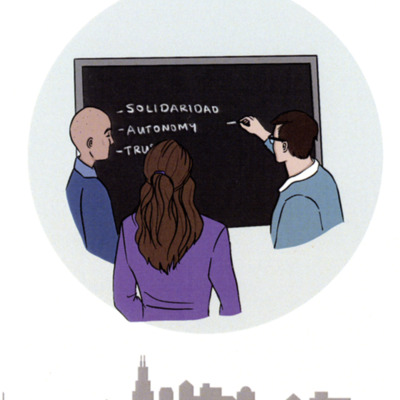
Card 12 - The Cooperative
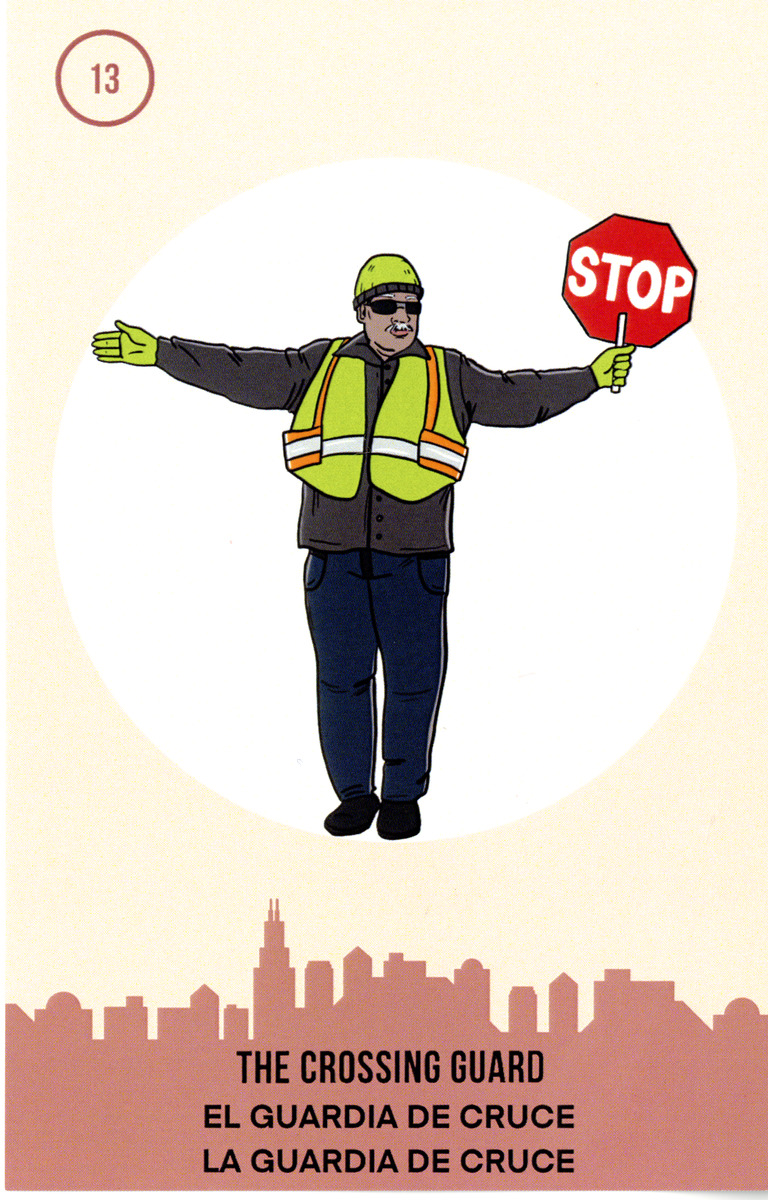
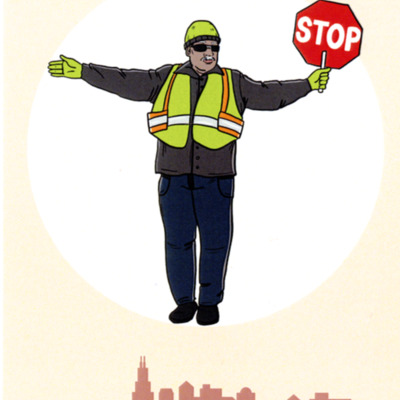
Card 13 - The Crossing Guard
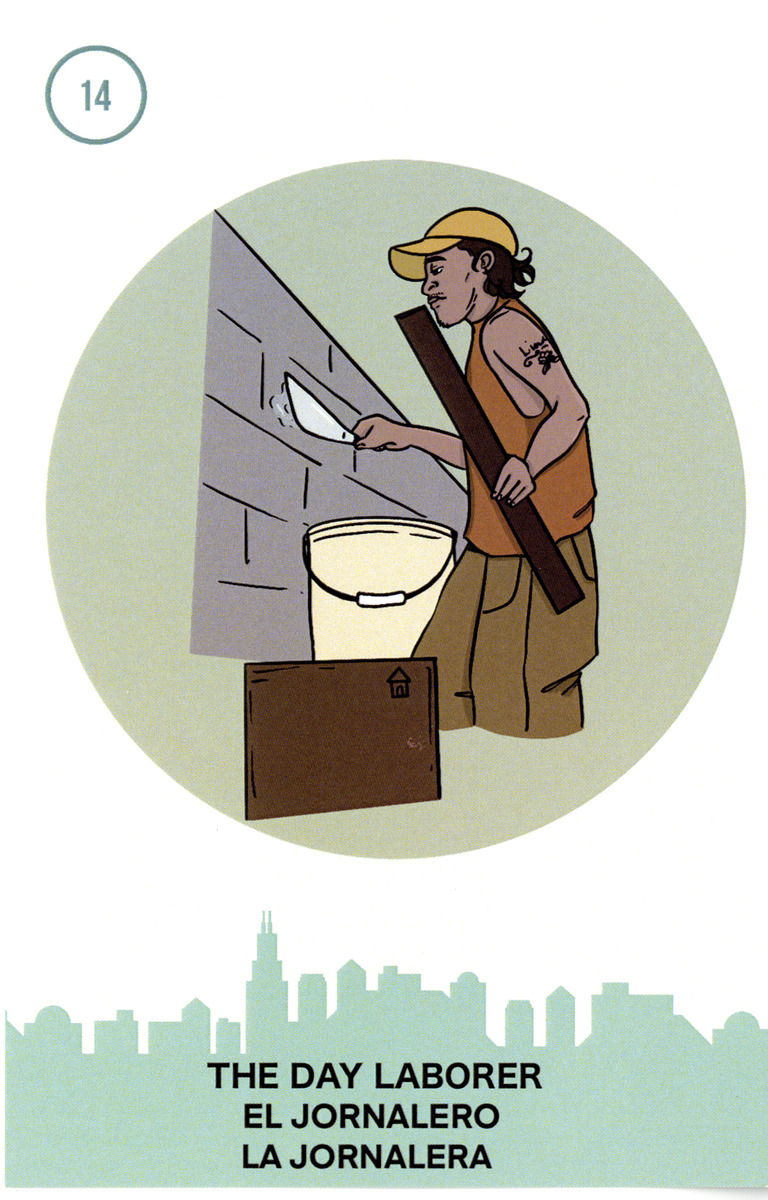
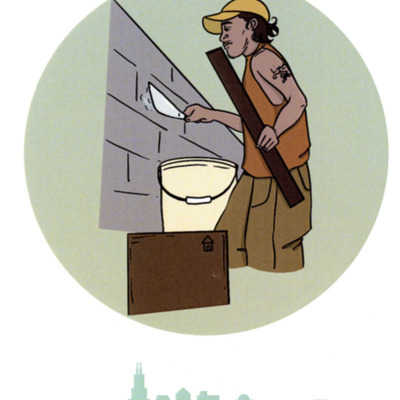
Card 14 - The Day Laborer
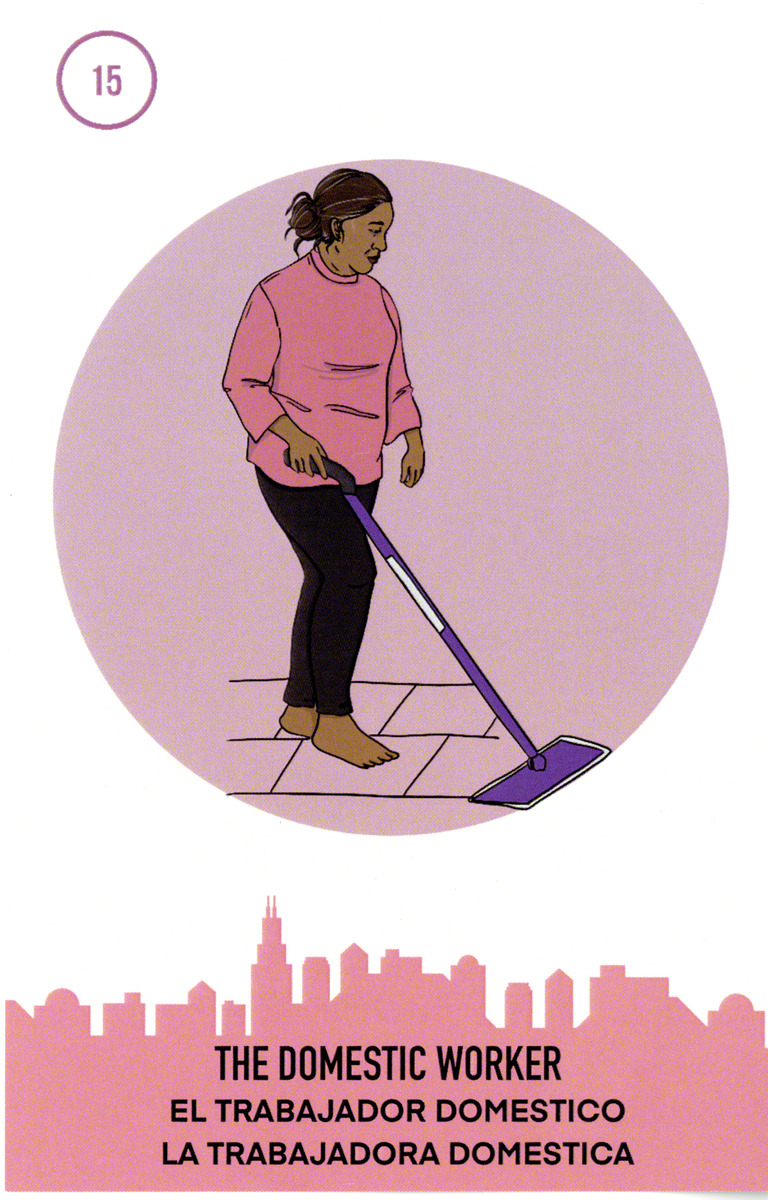
Card 15 - The Domestic Worker
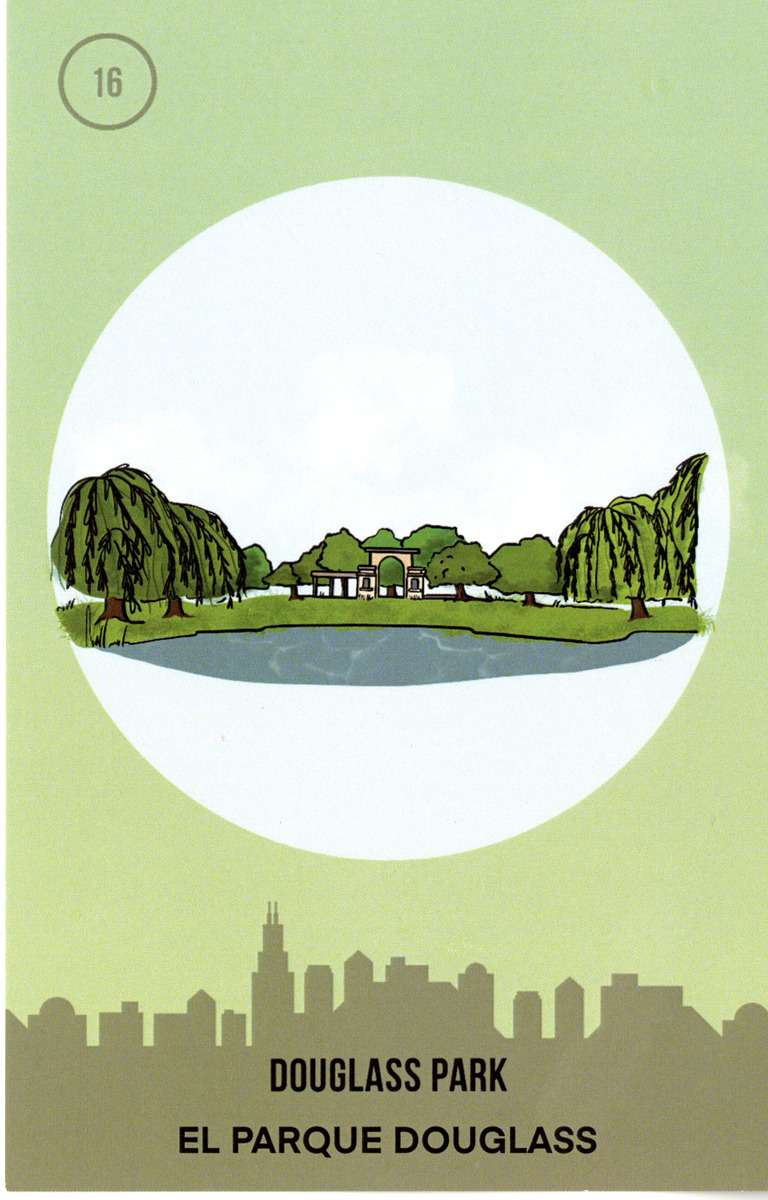
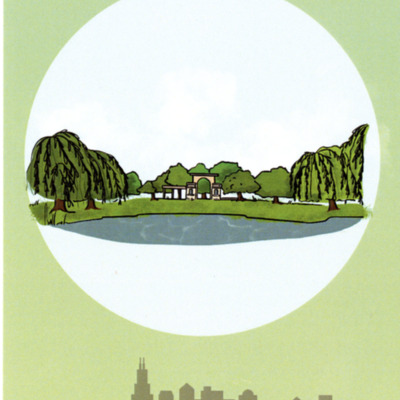
Card 16 - Douglass Park
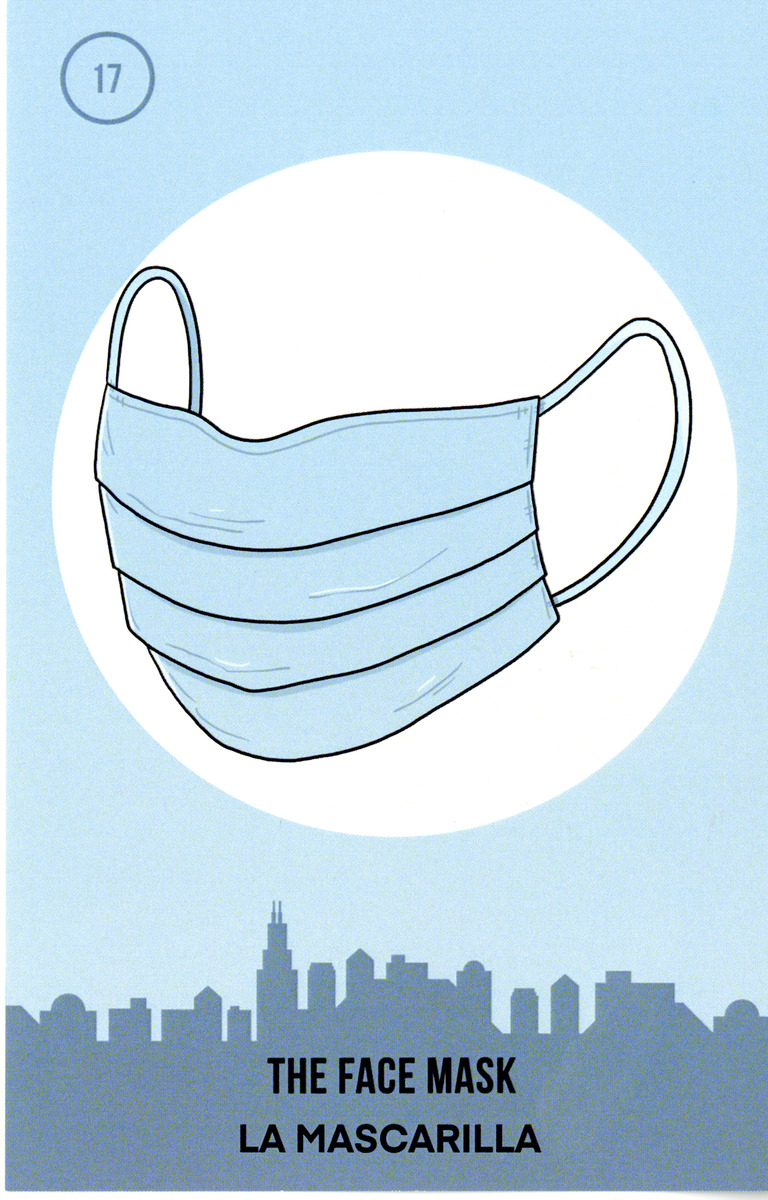
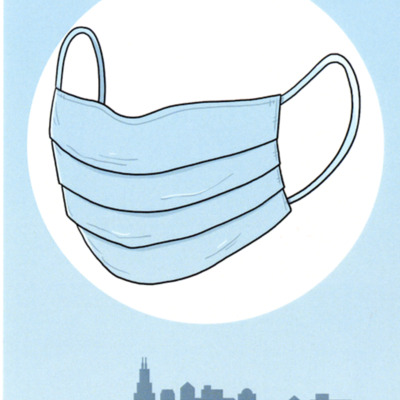
Card 17 - The Face Mask
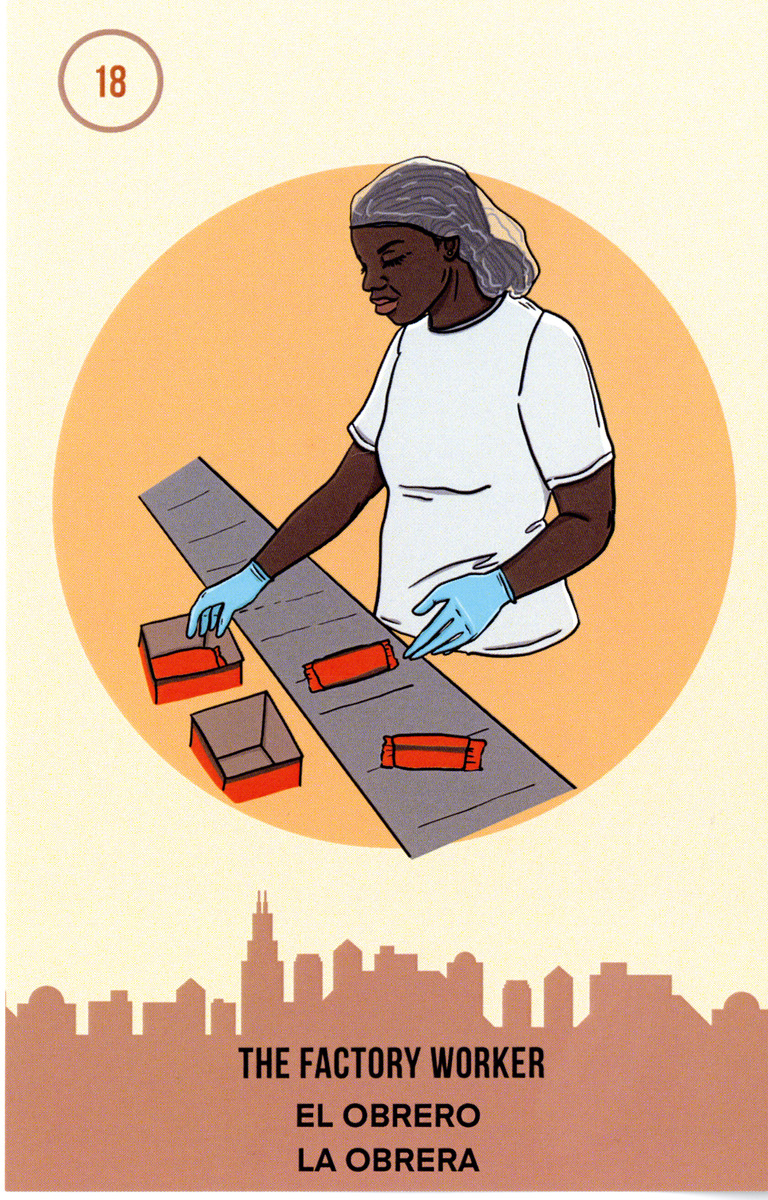
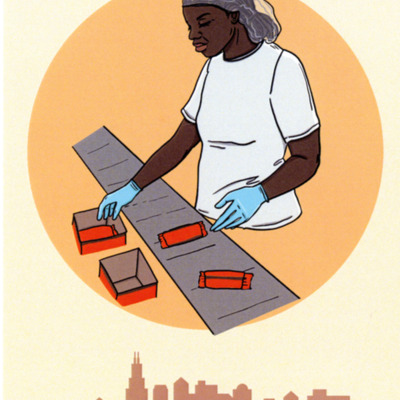
Card 18 - The Factory Worker
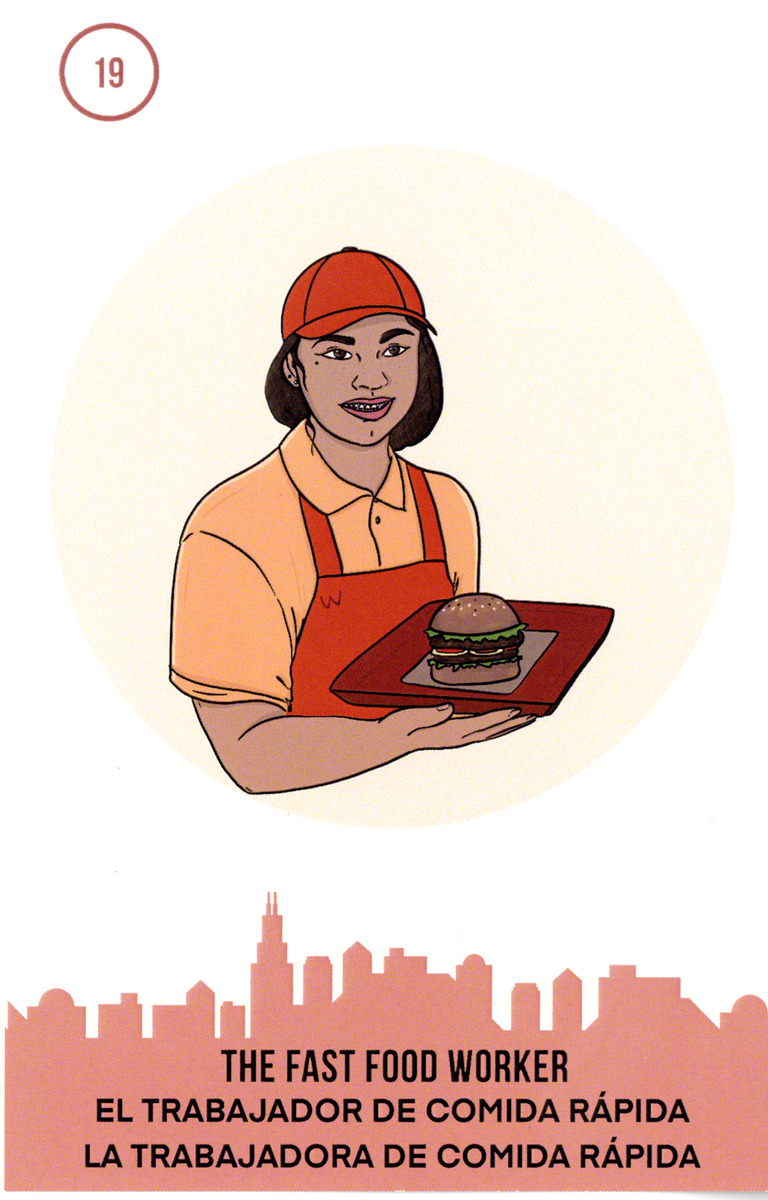
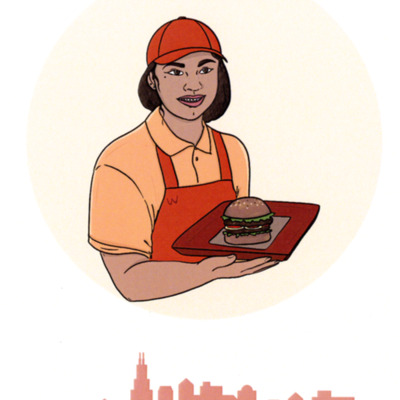
Card 19 - The Fast Food Worker
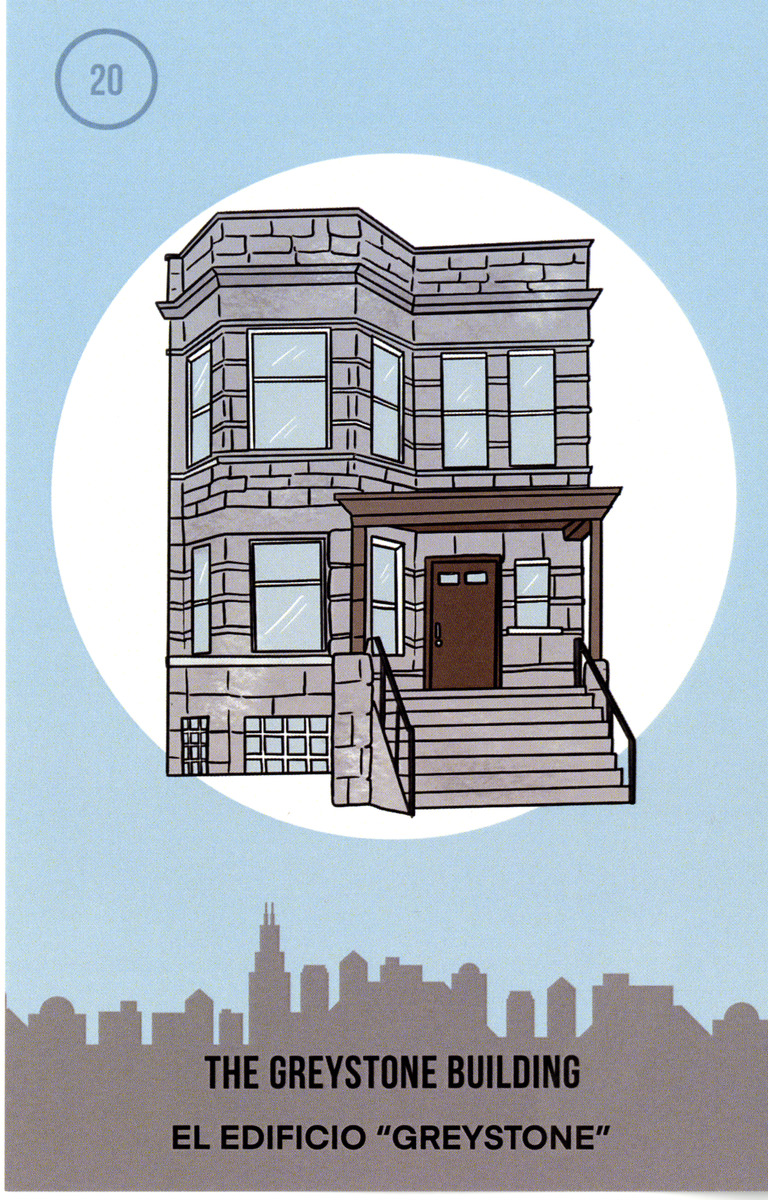
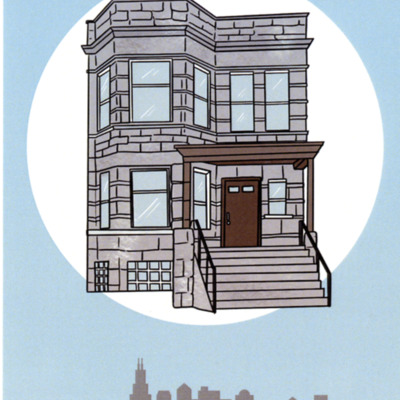
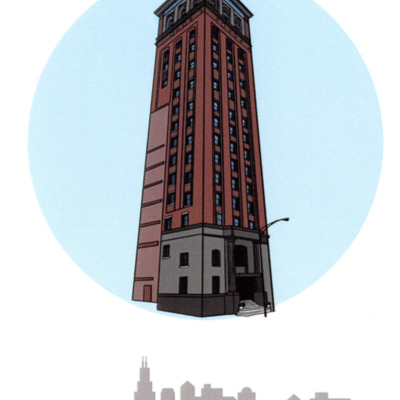
Card 20 - The Greystone Building
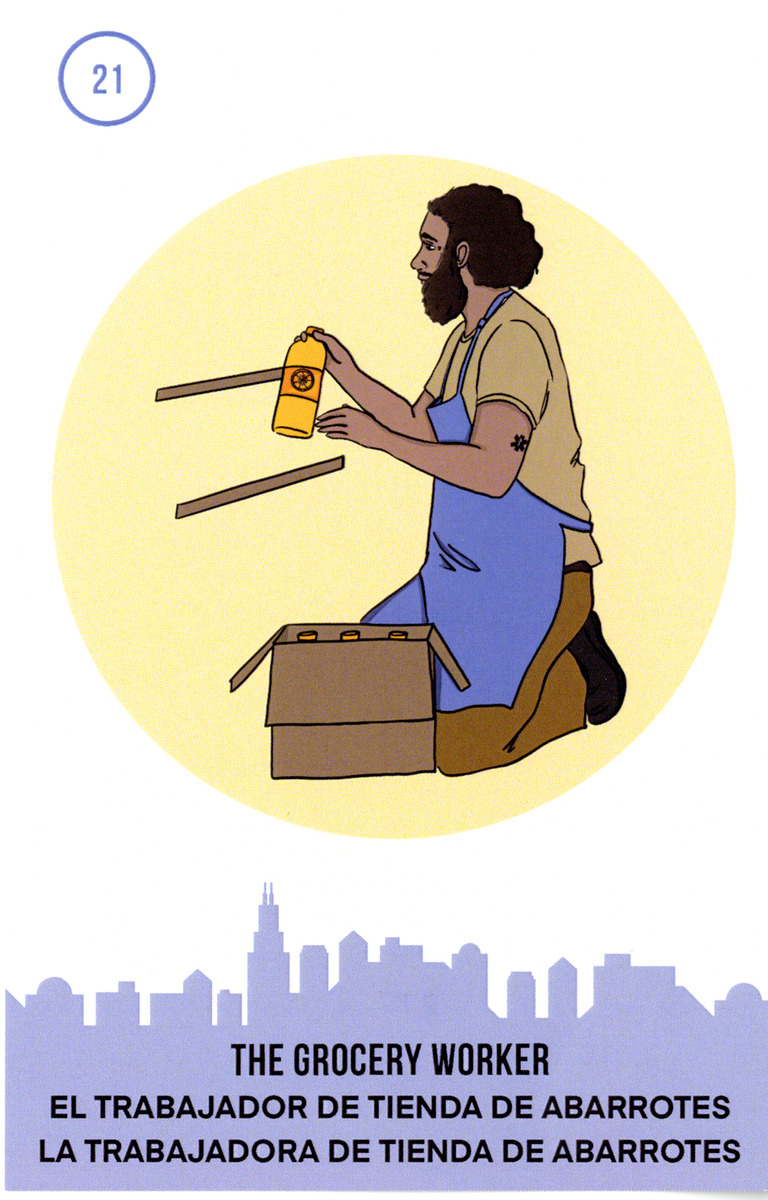
Card 21 - The Grocery Worker
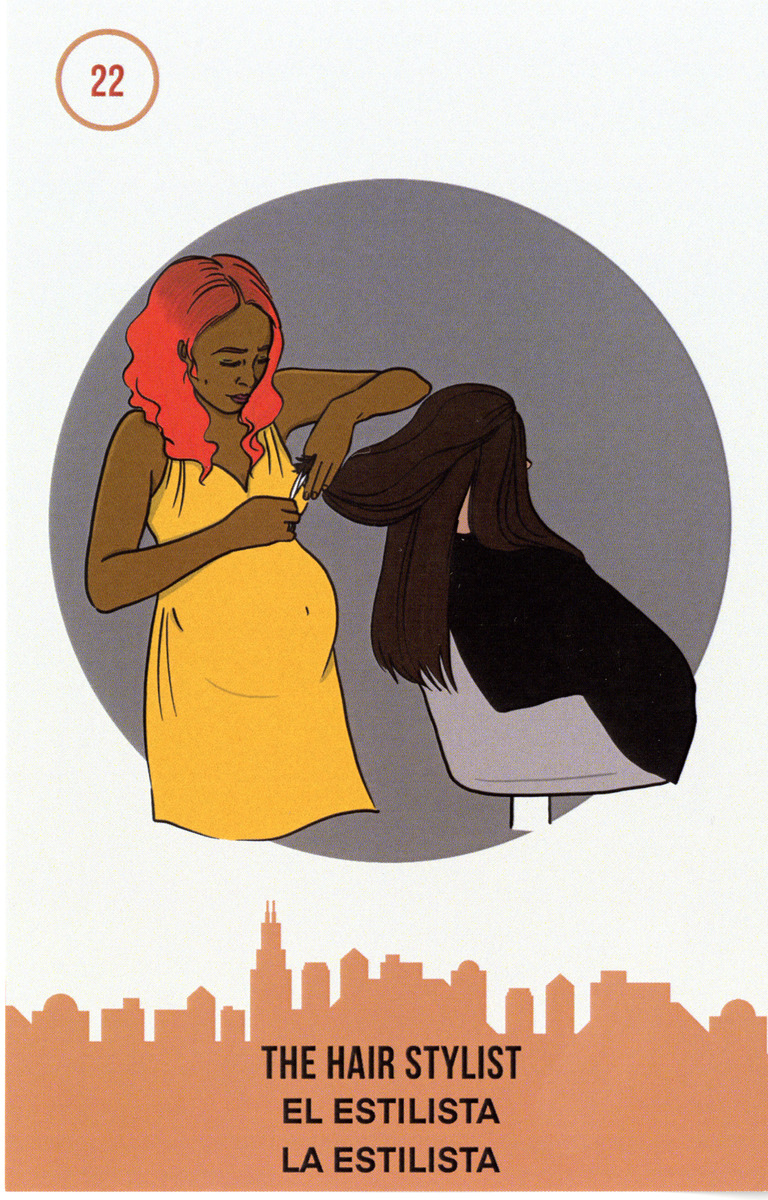
Card 22 - The Hair Stylist
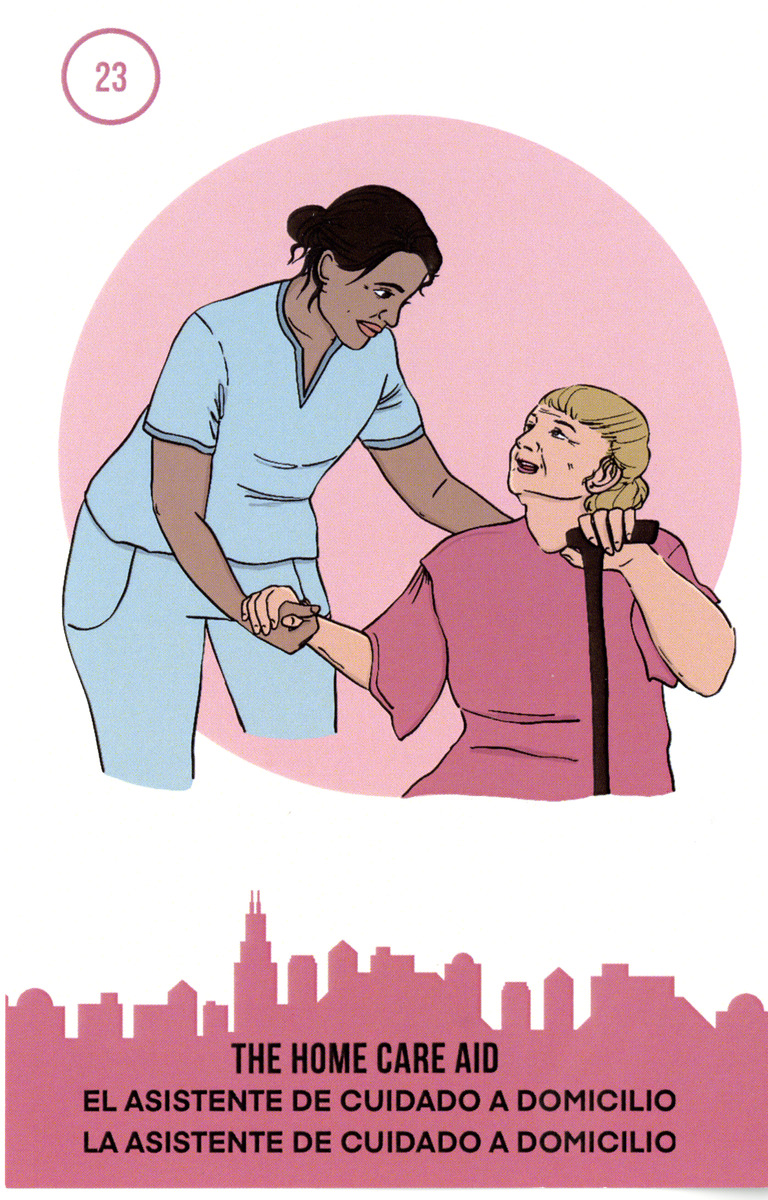
Card 23 - The Home Care Aid
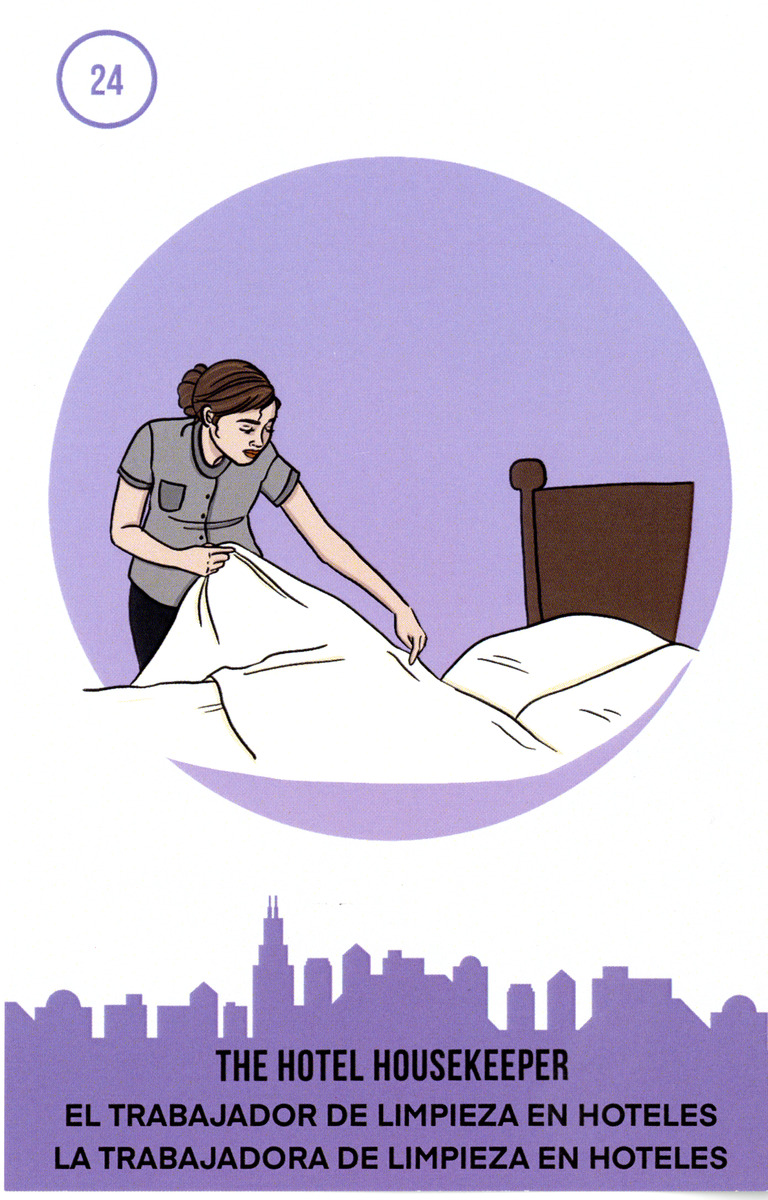
Card 24 - The Hotel Housekeeper
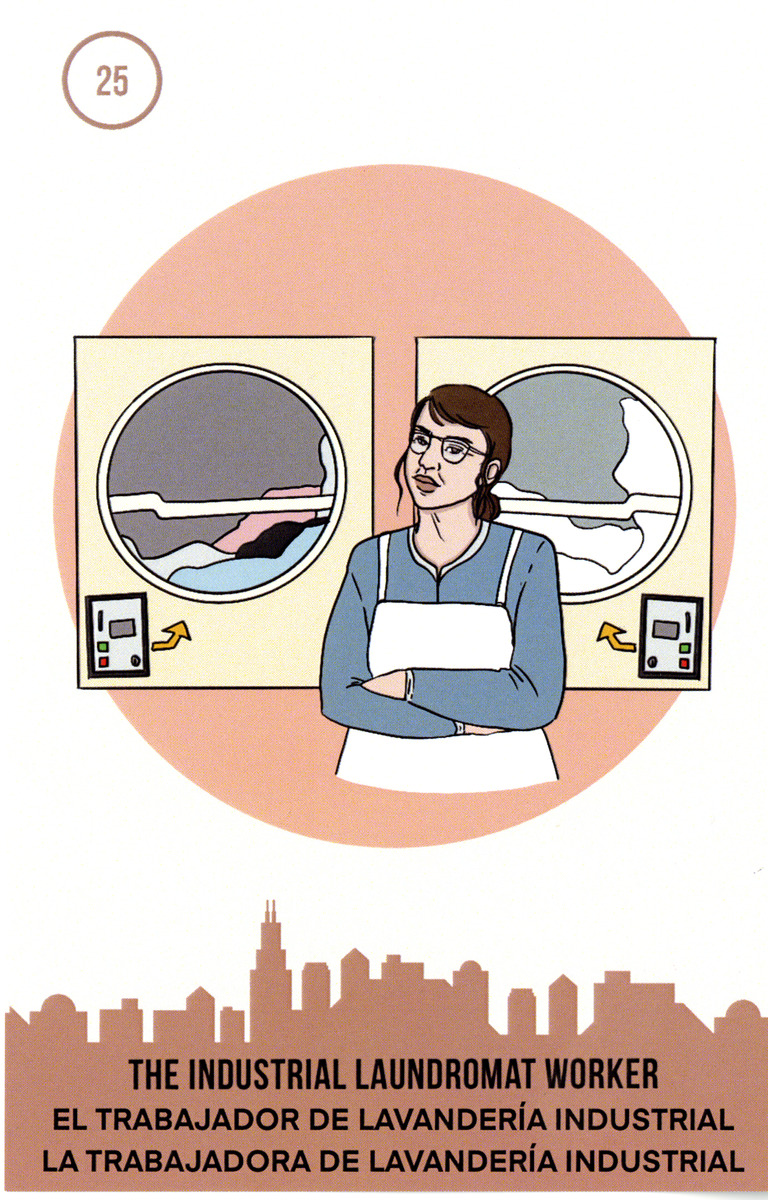
Card 25 - The Industrial Laundromat Worker
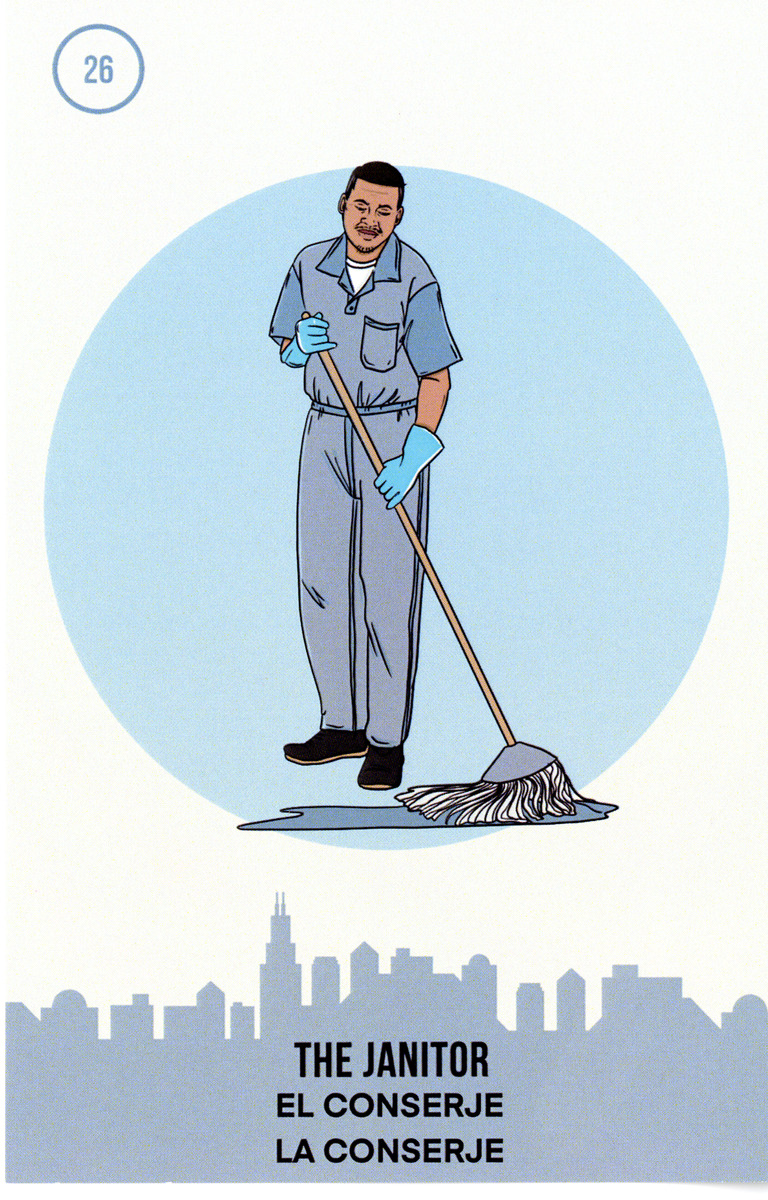
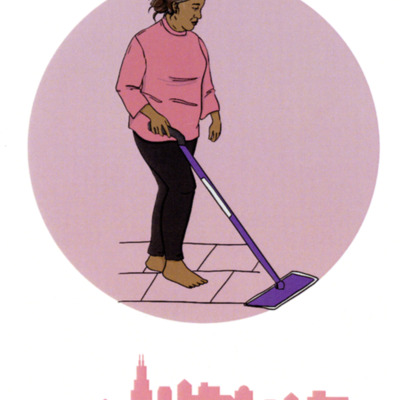
Card 26 - The Janitor
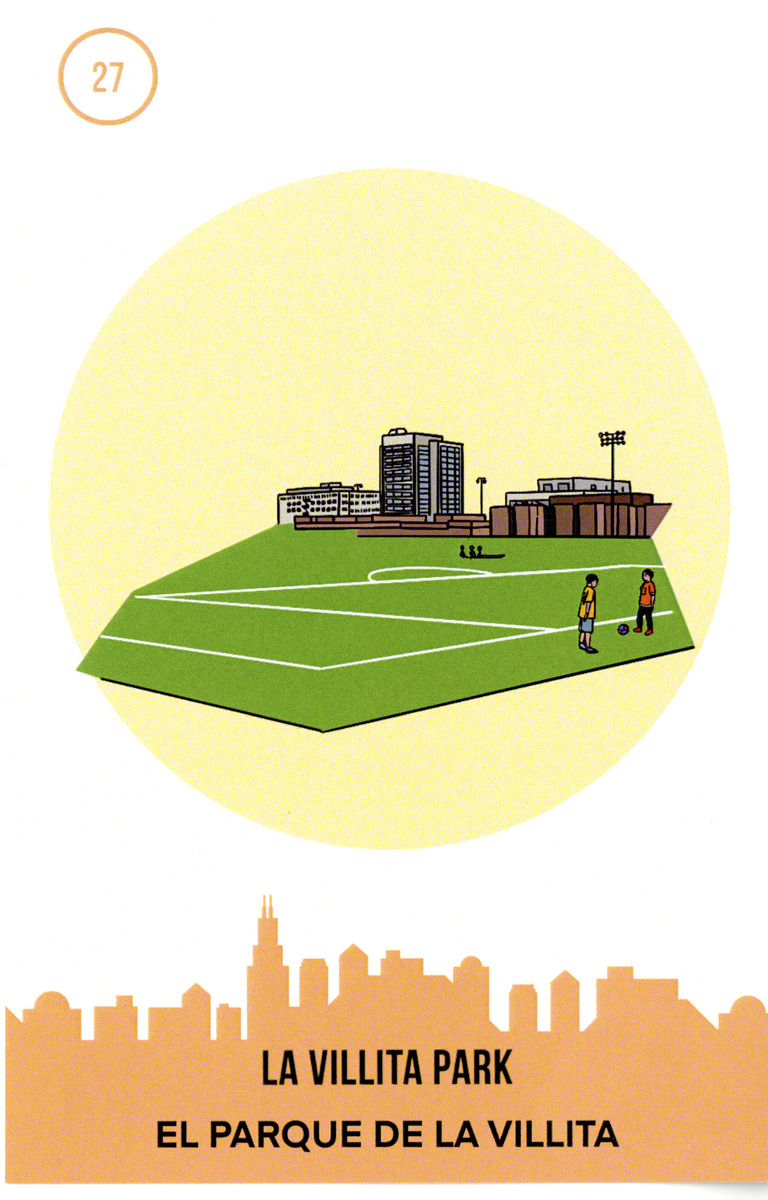
Card 27 - La Villita Park
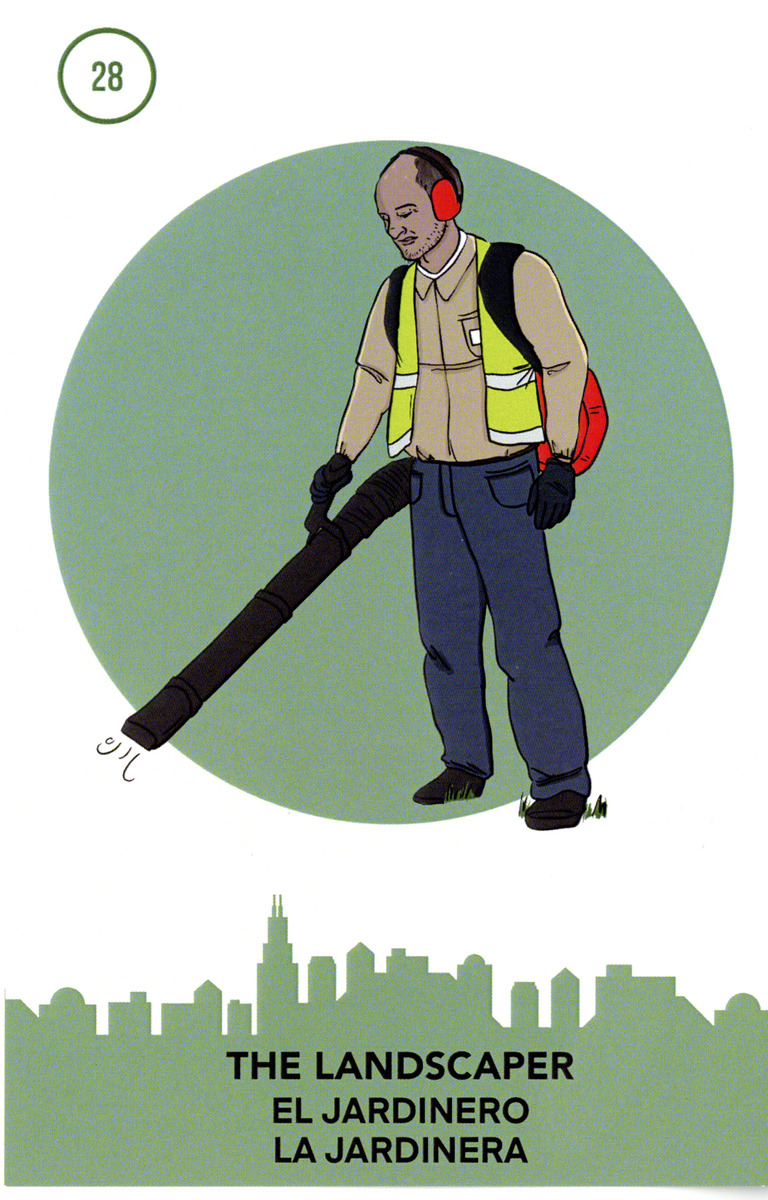
Card 28 - The Landscaper
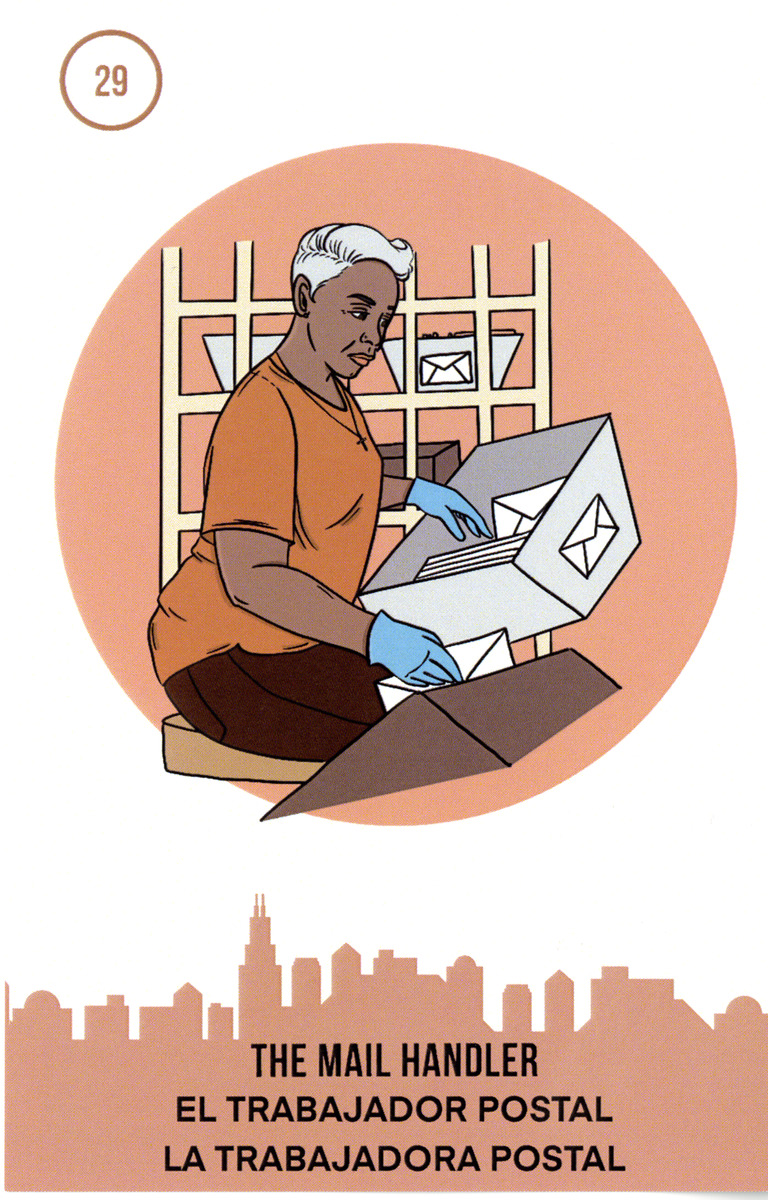
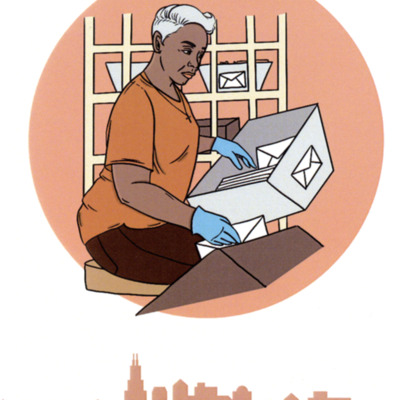
Card 29 - The Mail Handler
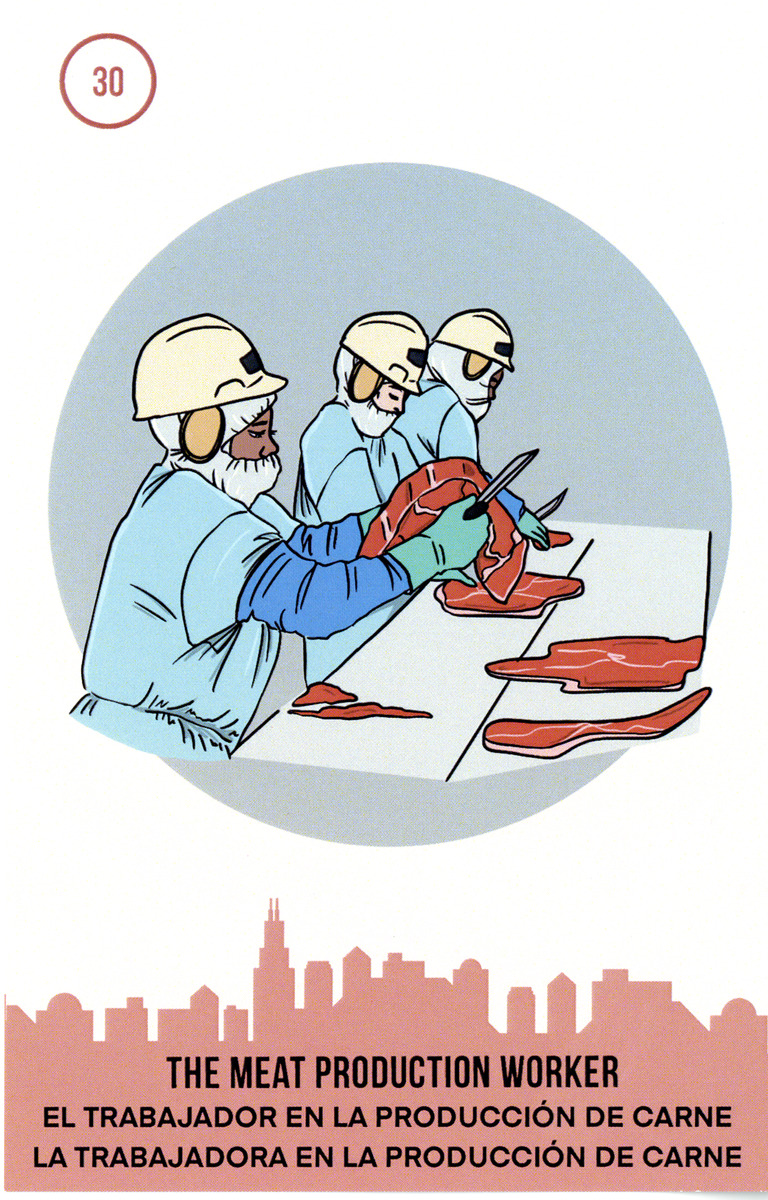
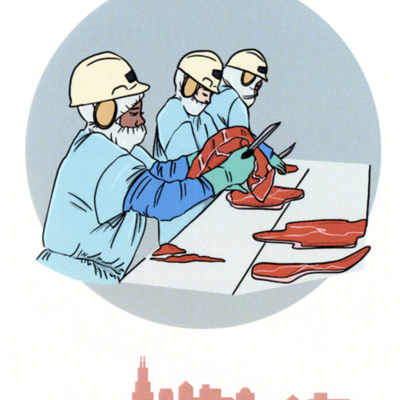
Card 30 - The Meat Production Worker
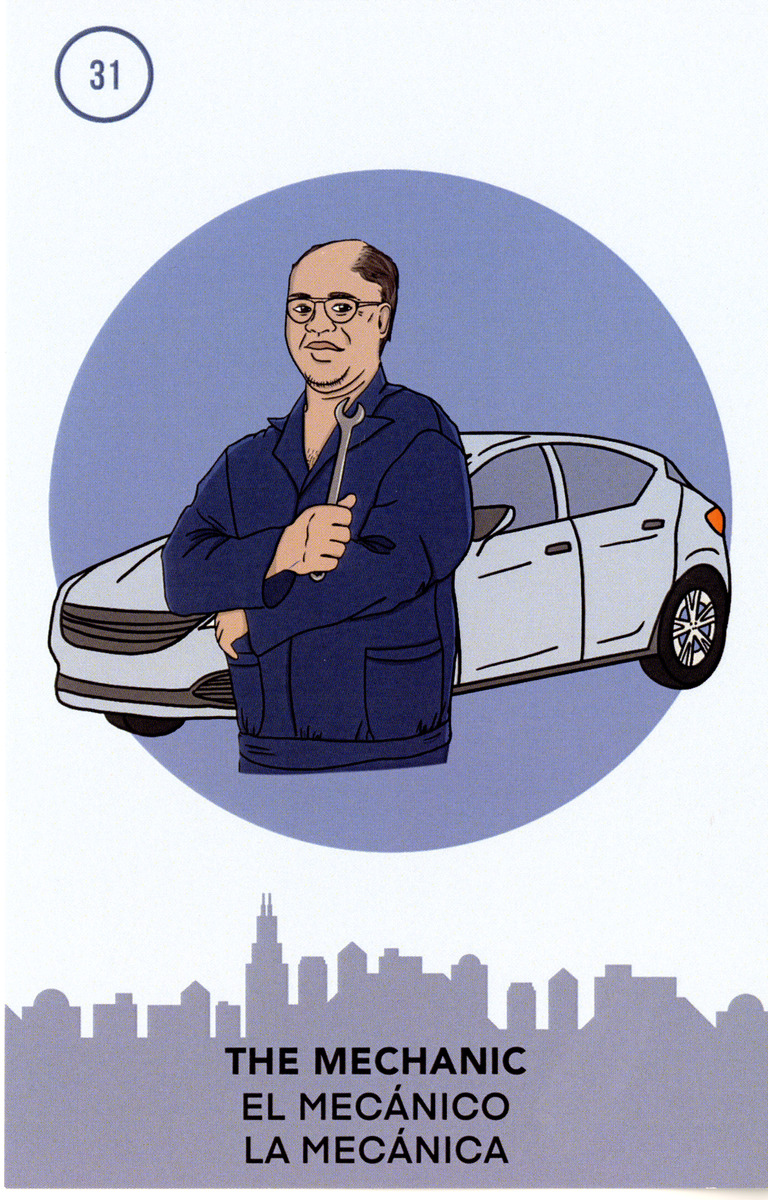
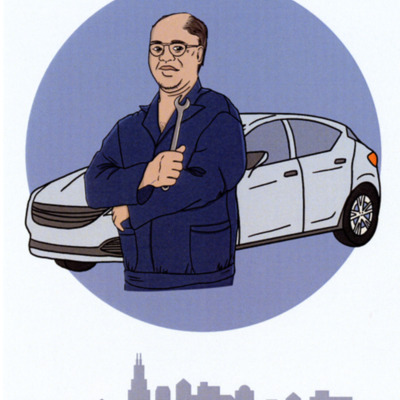
Card 31 - The Mechanic
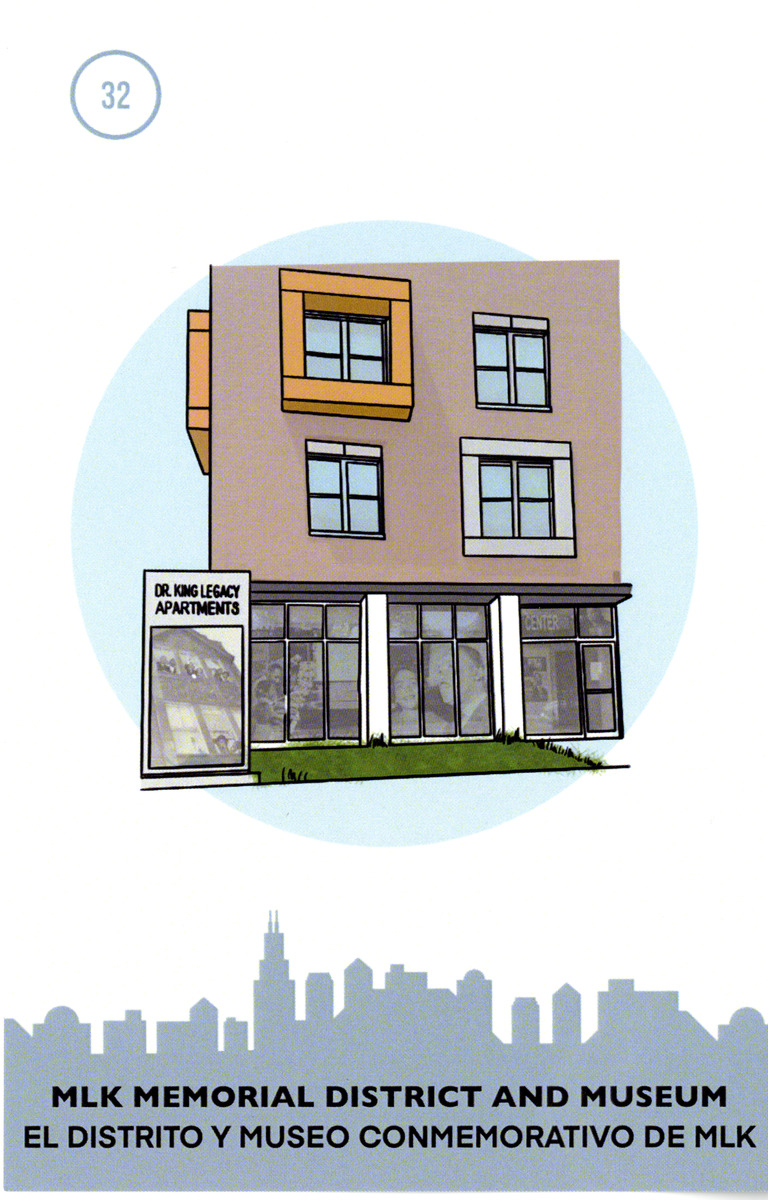
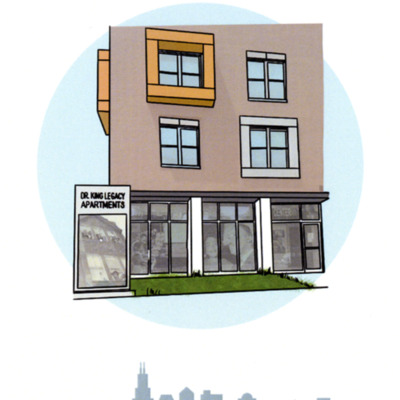
Card 32 - MLK Memorial District and Museum
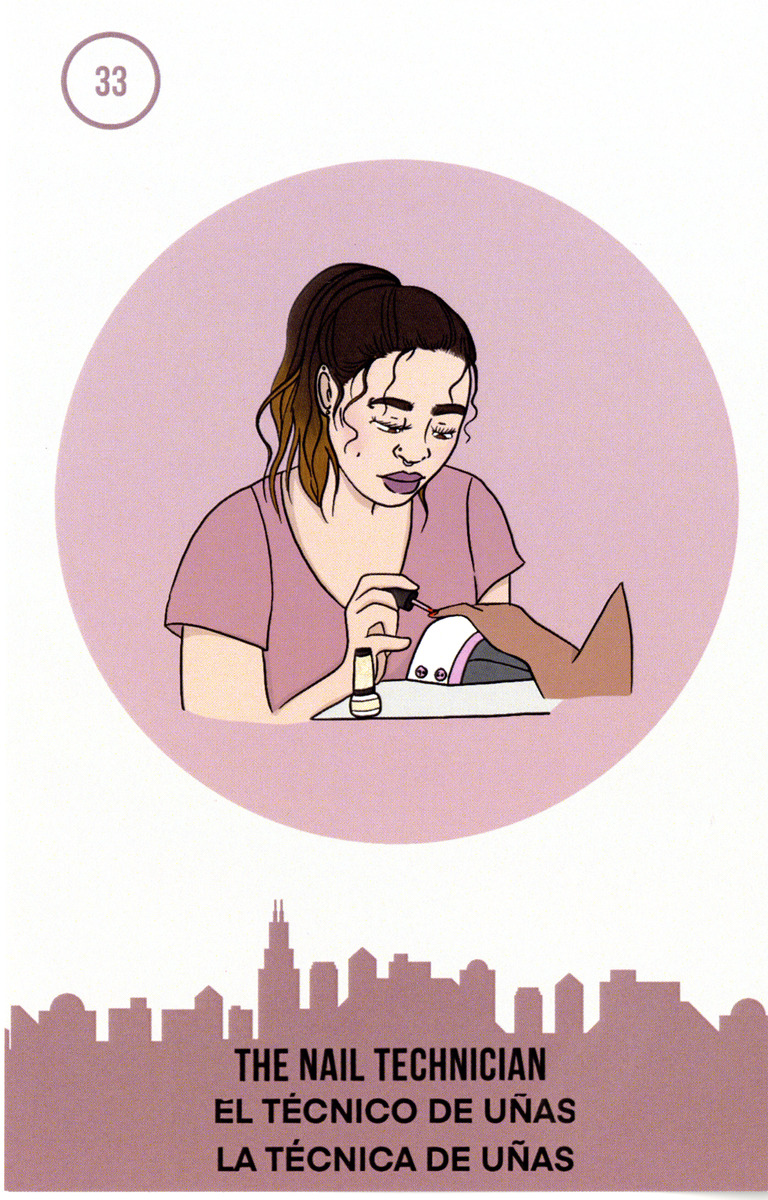
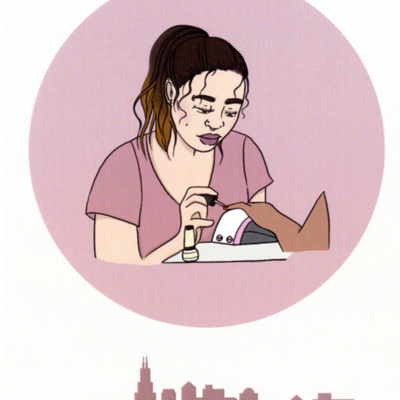
Card 33 - The Nail Technician
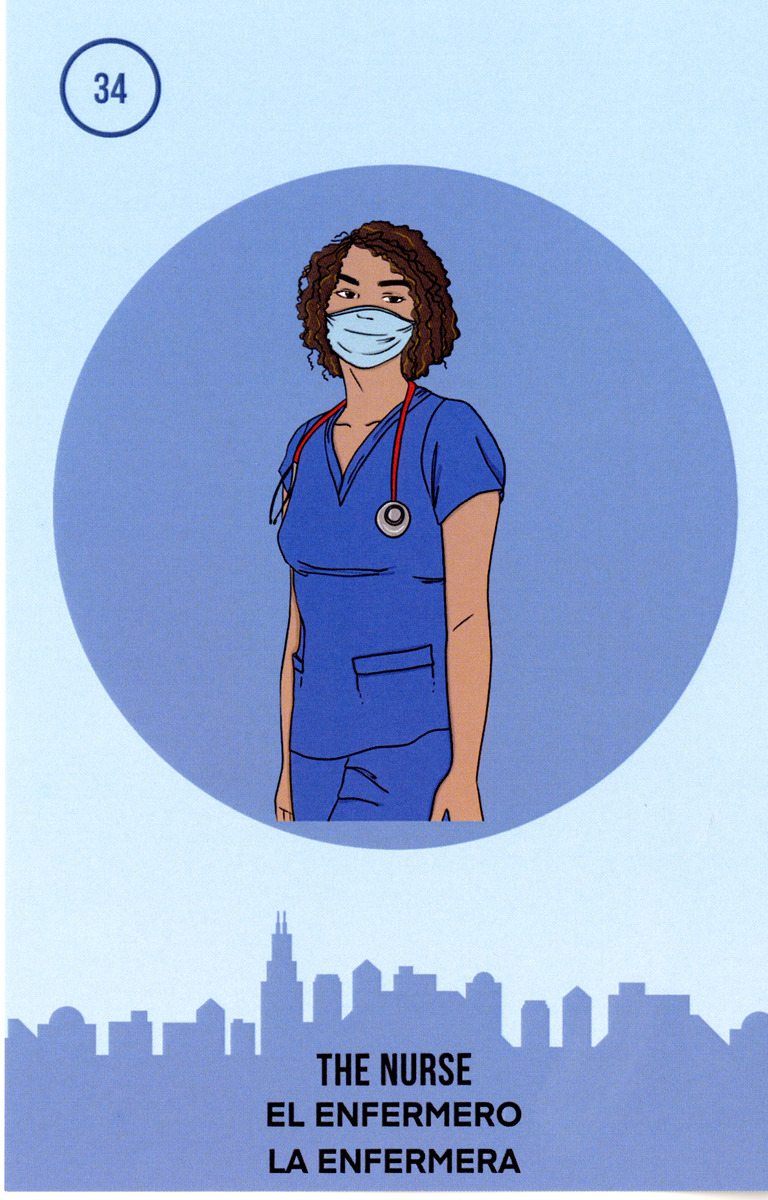
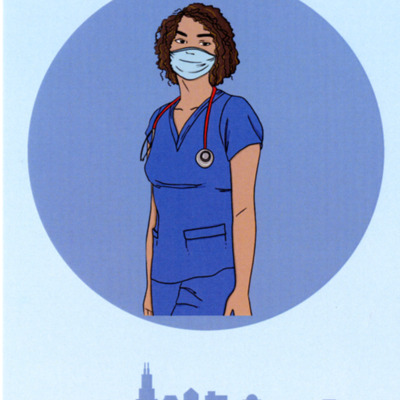
Card 34 - The Nurse
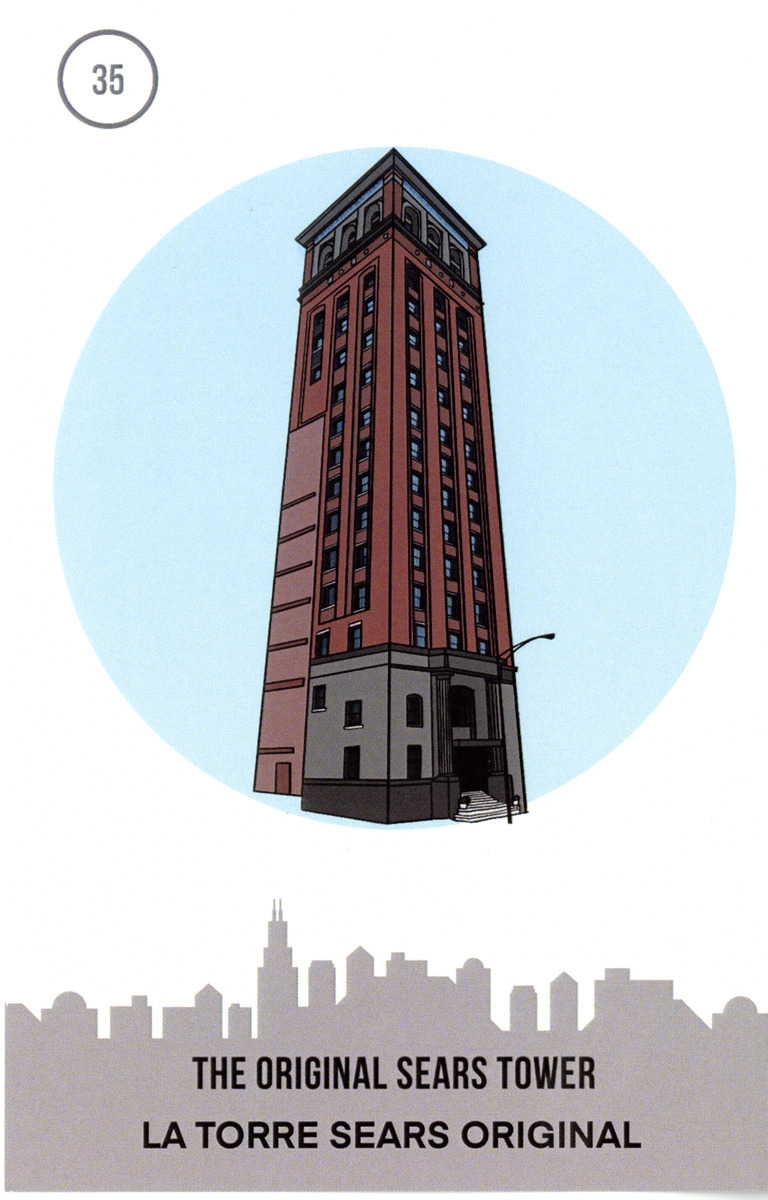
Card 35 - The Original Sears Tower
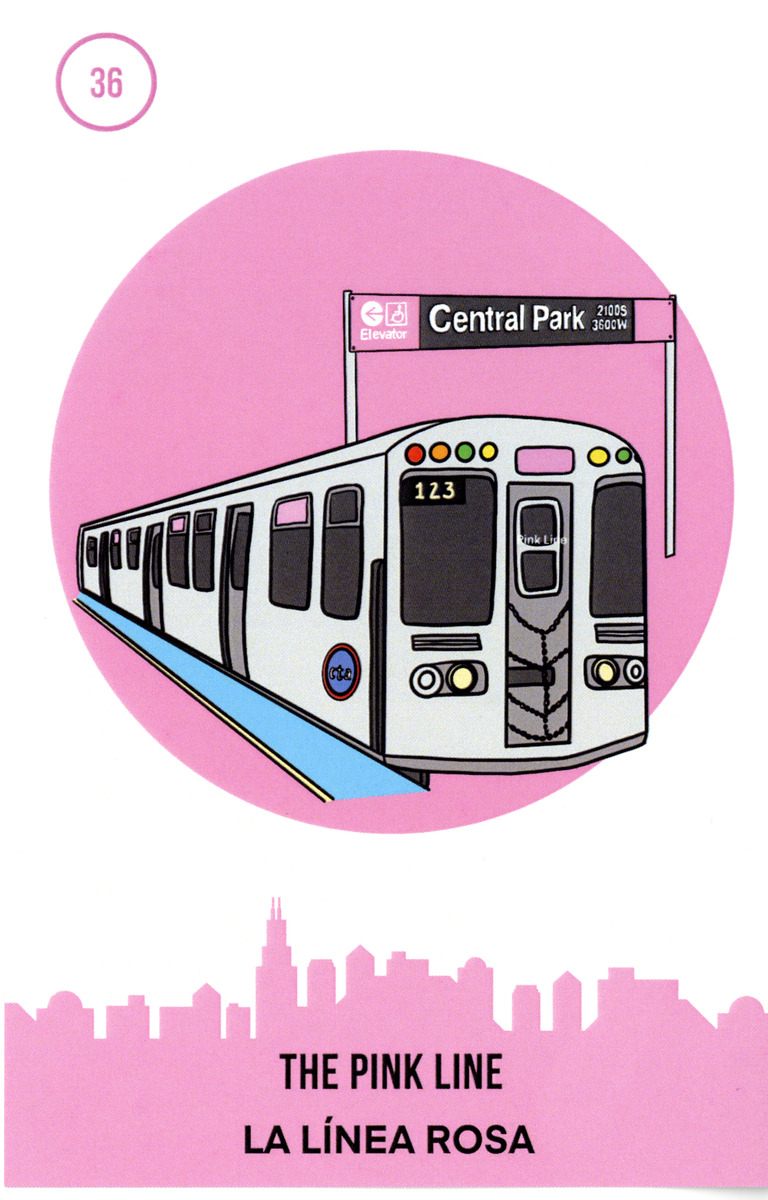
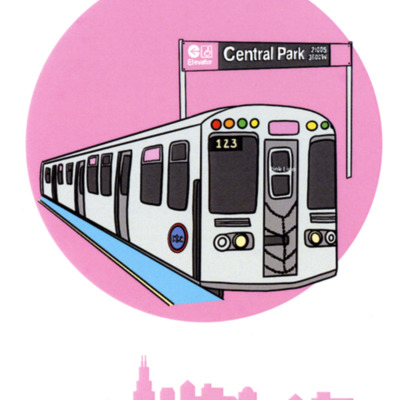
Card 36 - The Pink Line
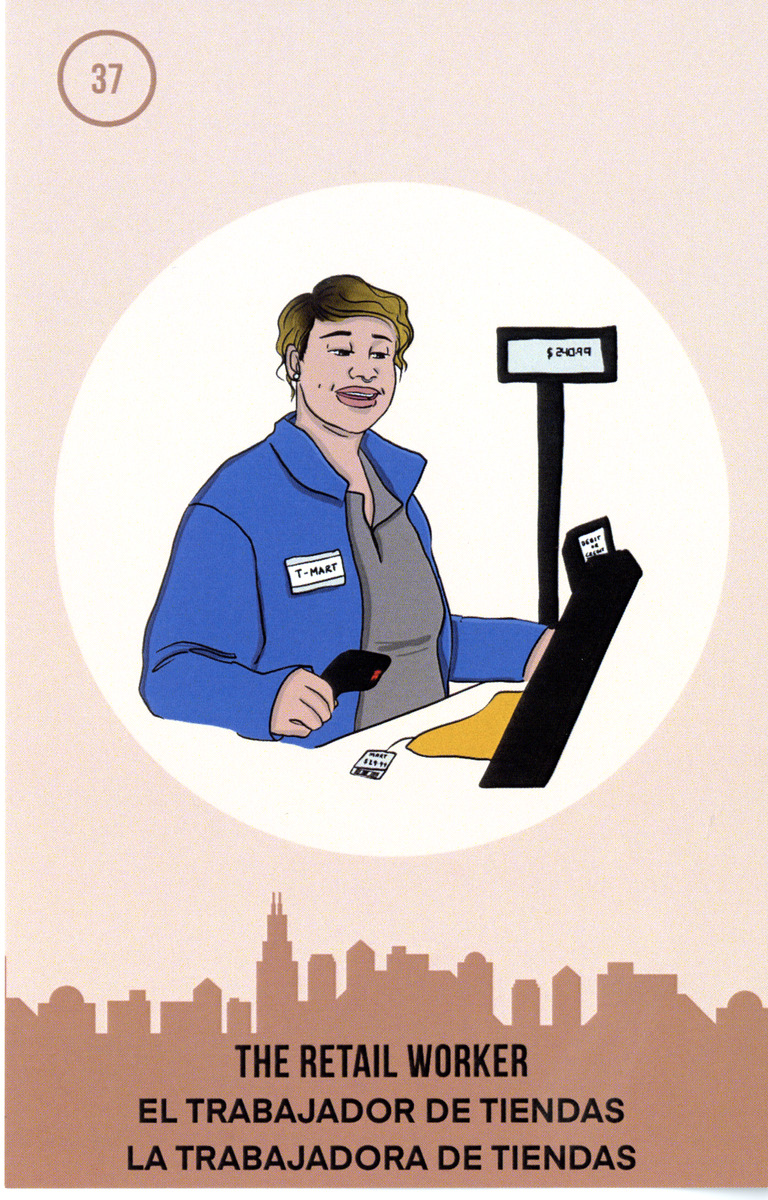
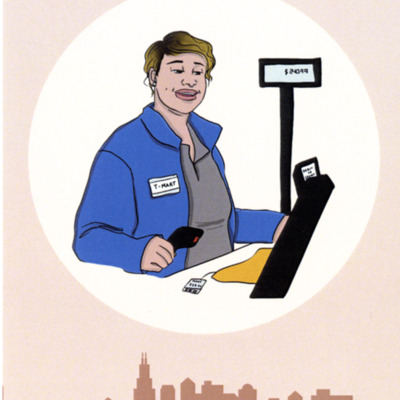
Card 37 - The Retail Worker
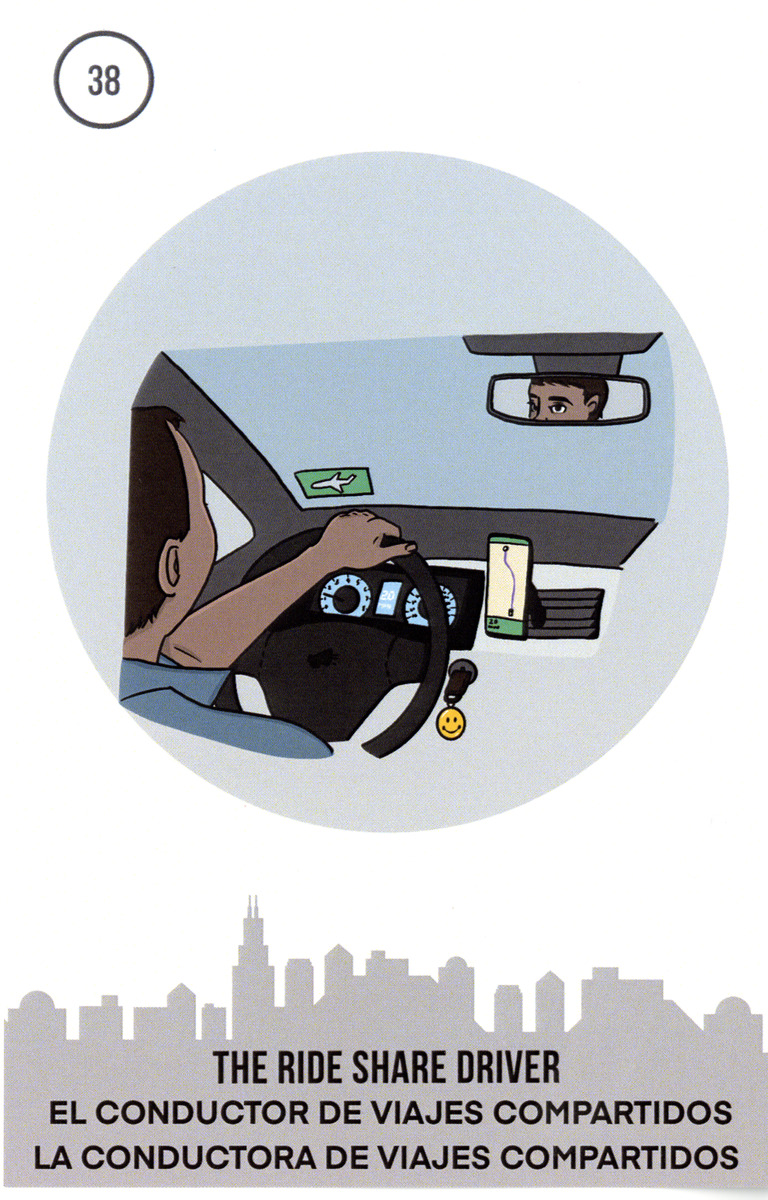
Card 38 - The Ride Share Driver
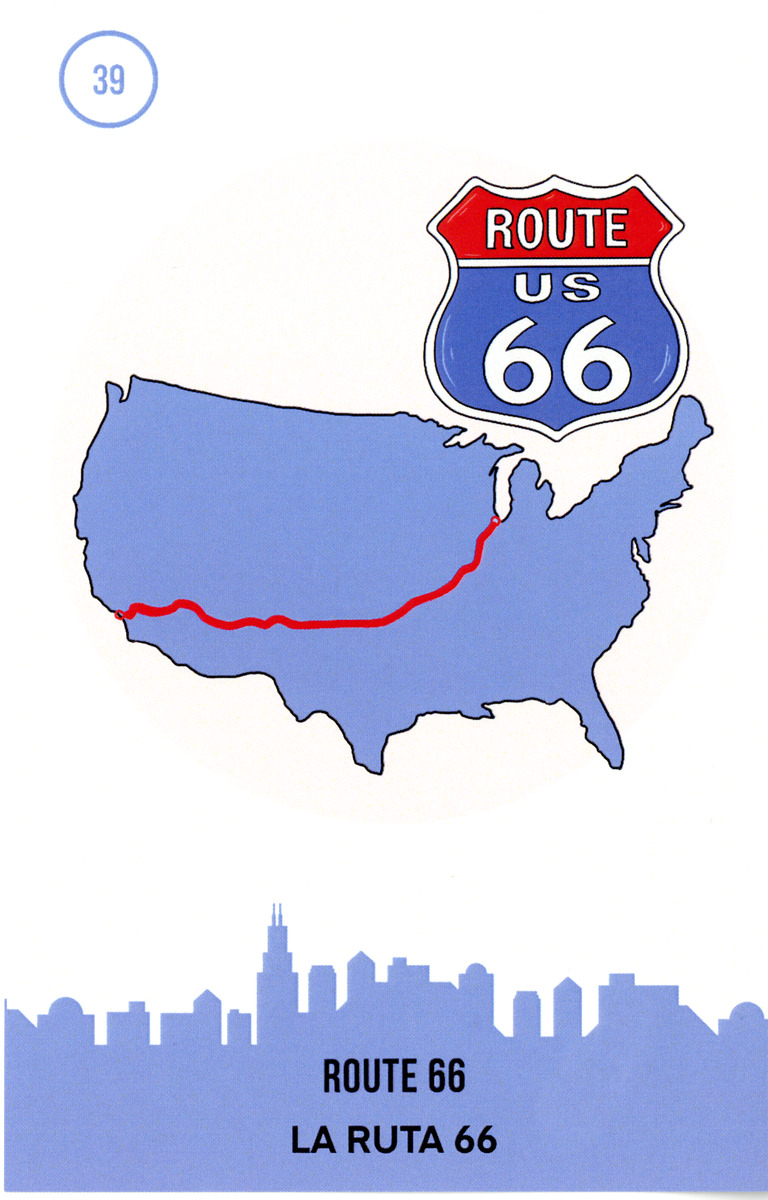
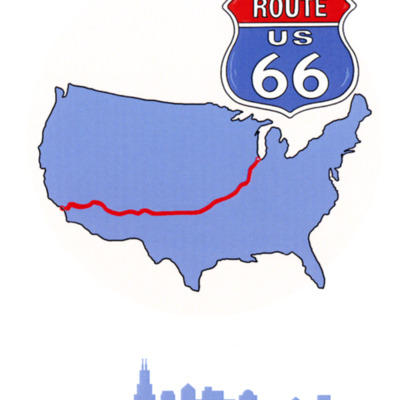
Card 39 - Route 66
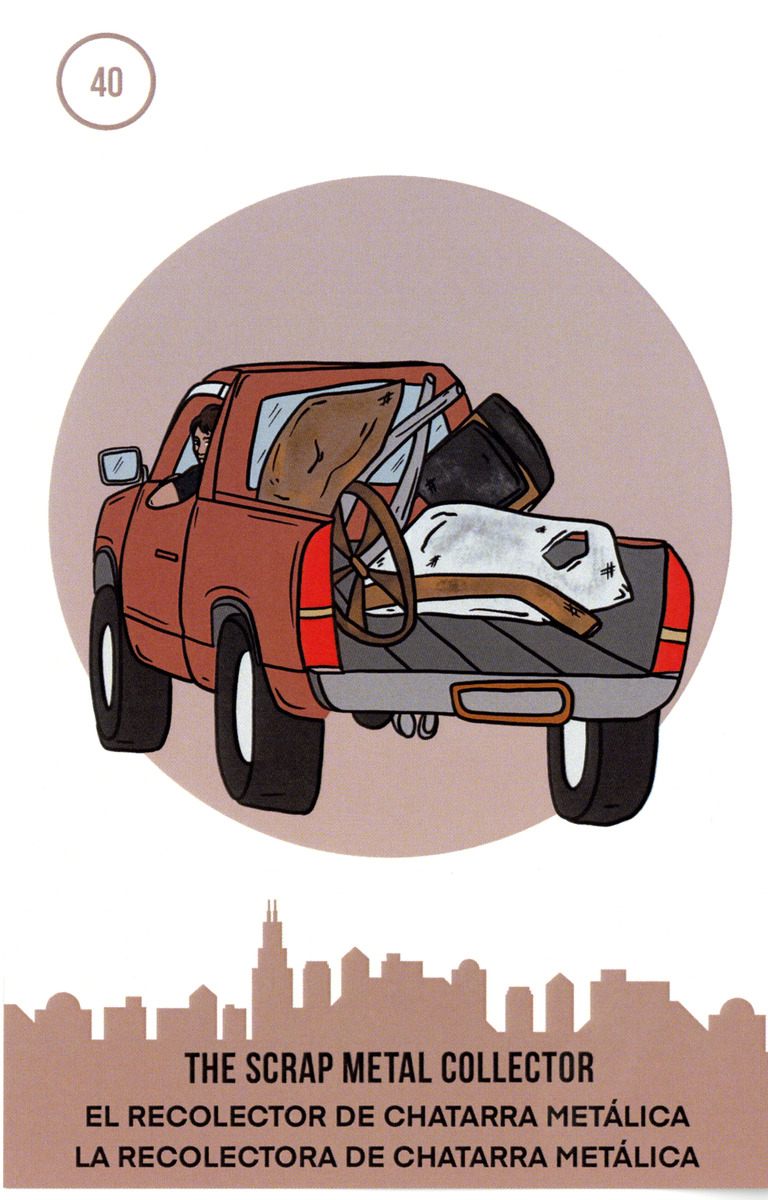
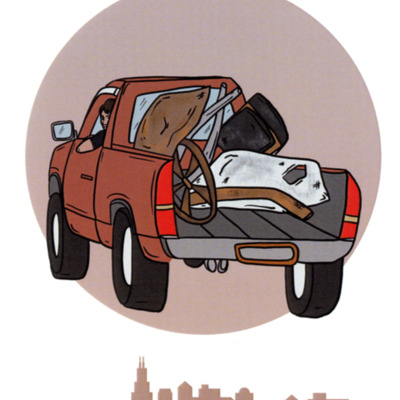
Card 40 - The Scrap Metal Collector
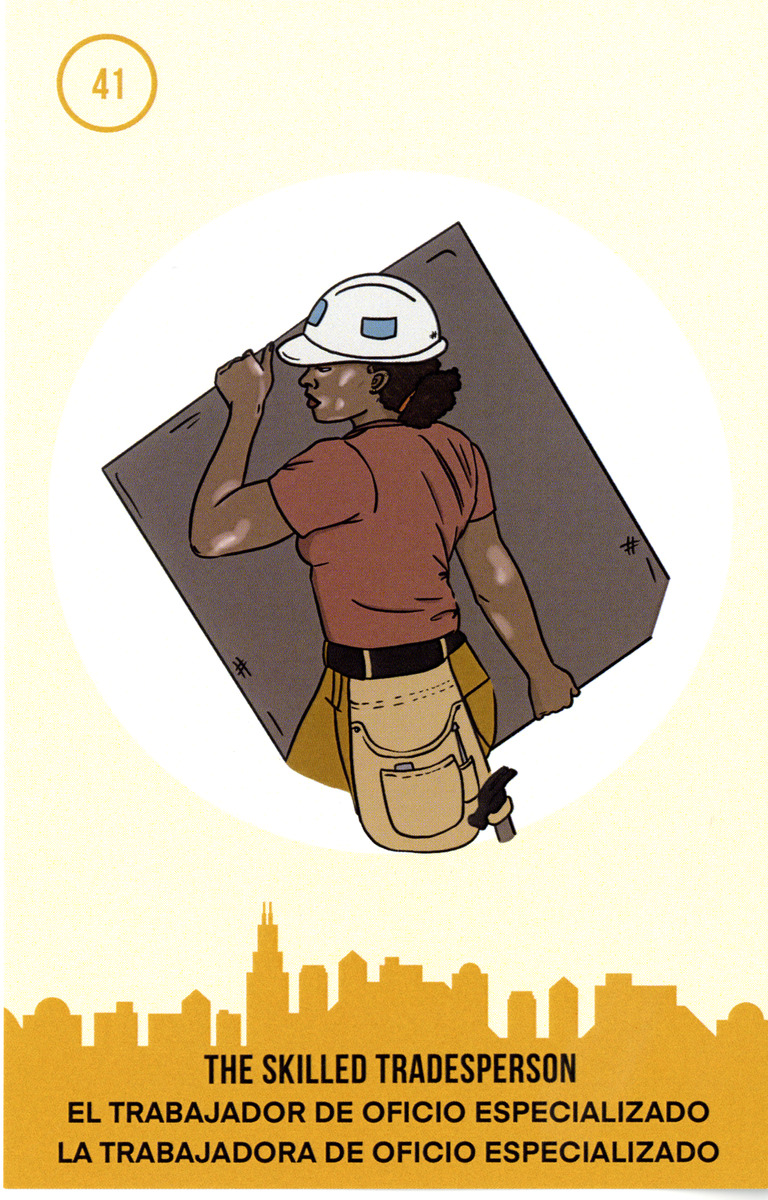
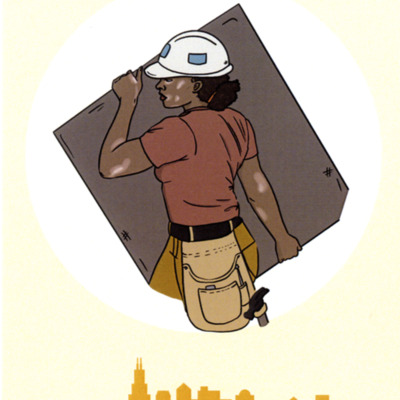
Card 41 - The Skilled Tradesperson
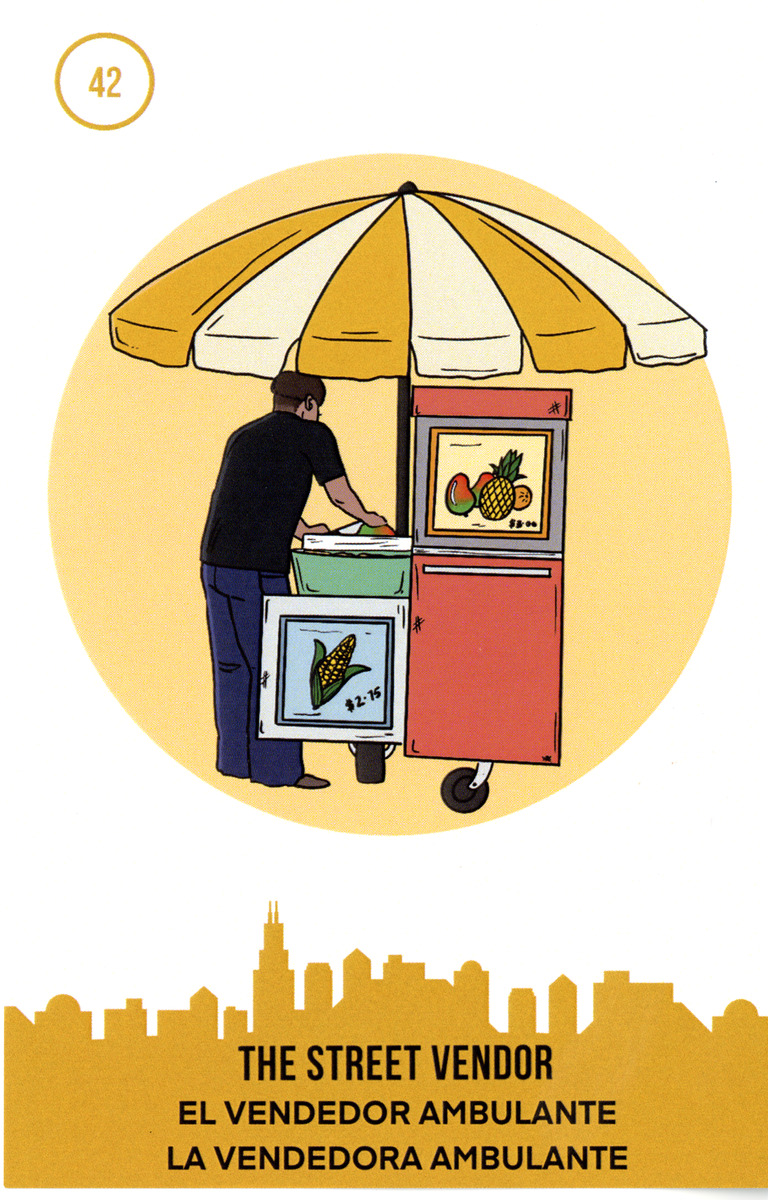
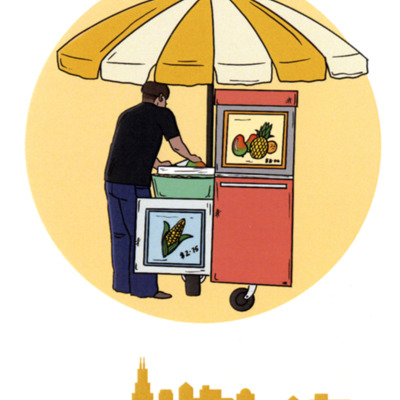
Card 42 - The Street Vendor
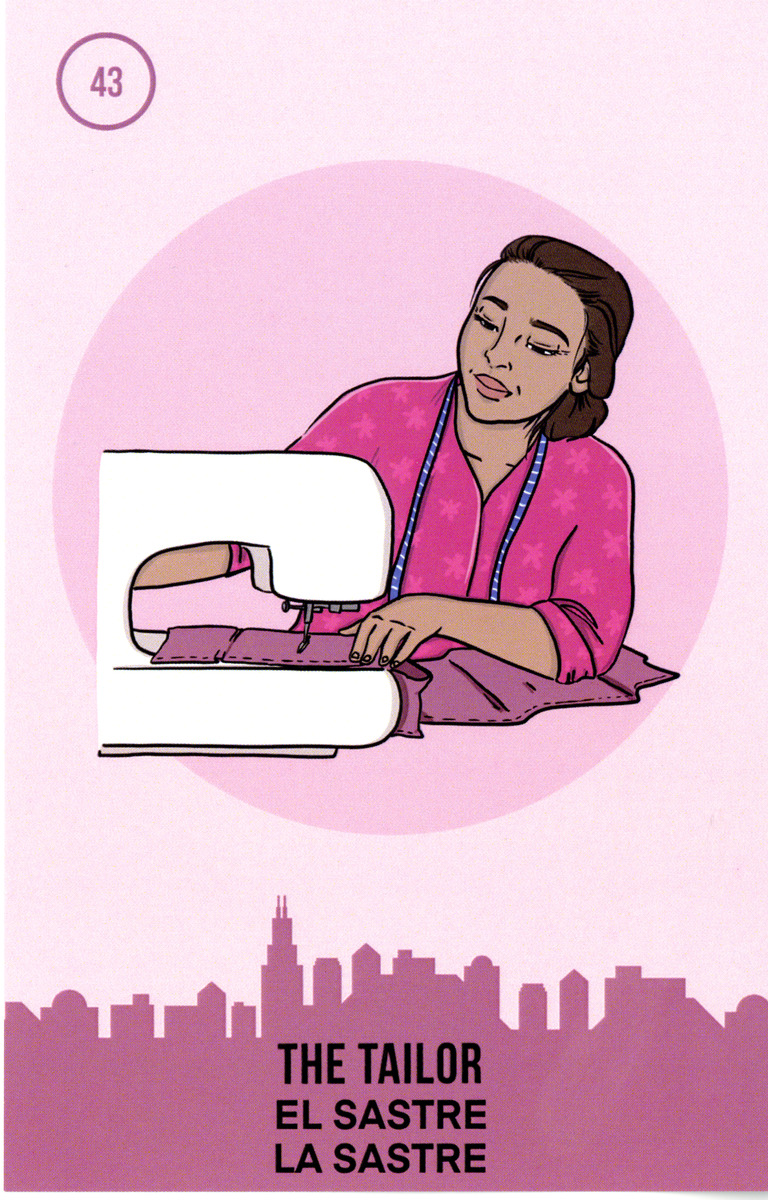
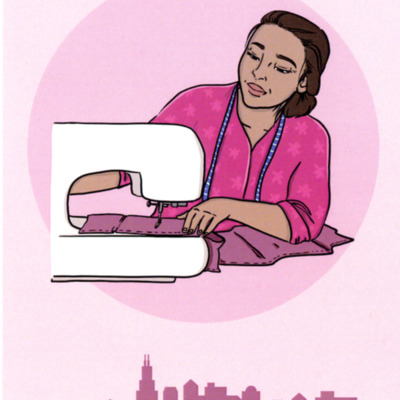
Card 43 - The Tailor
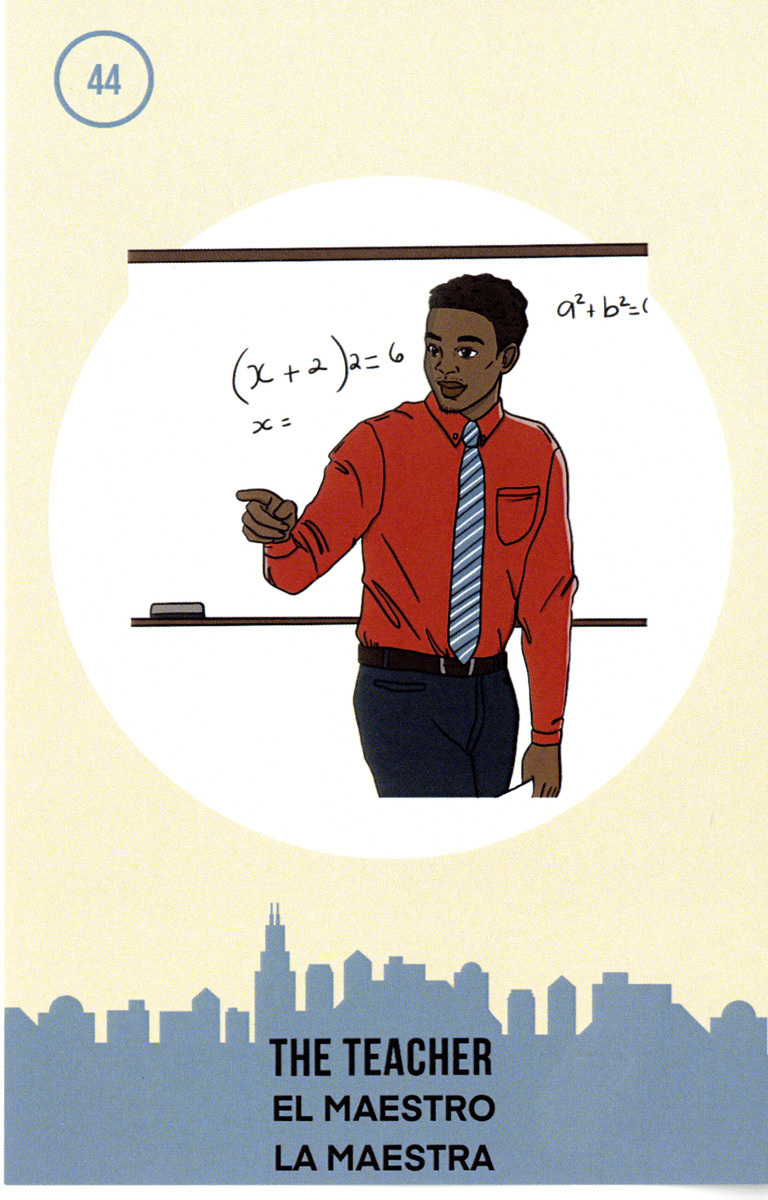
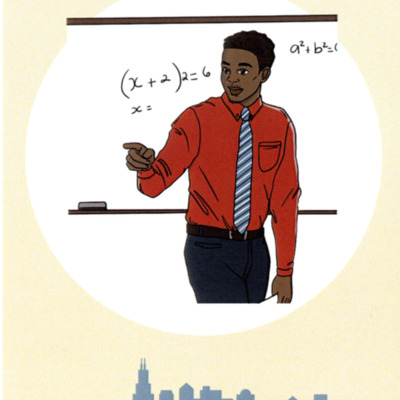
Card 44 - The Teacher
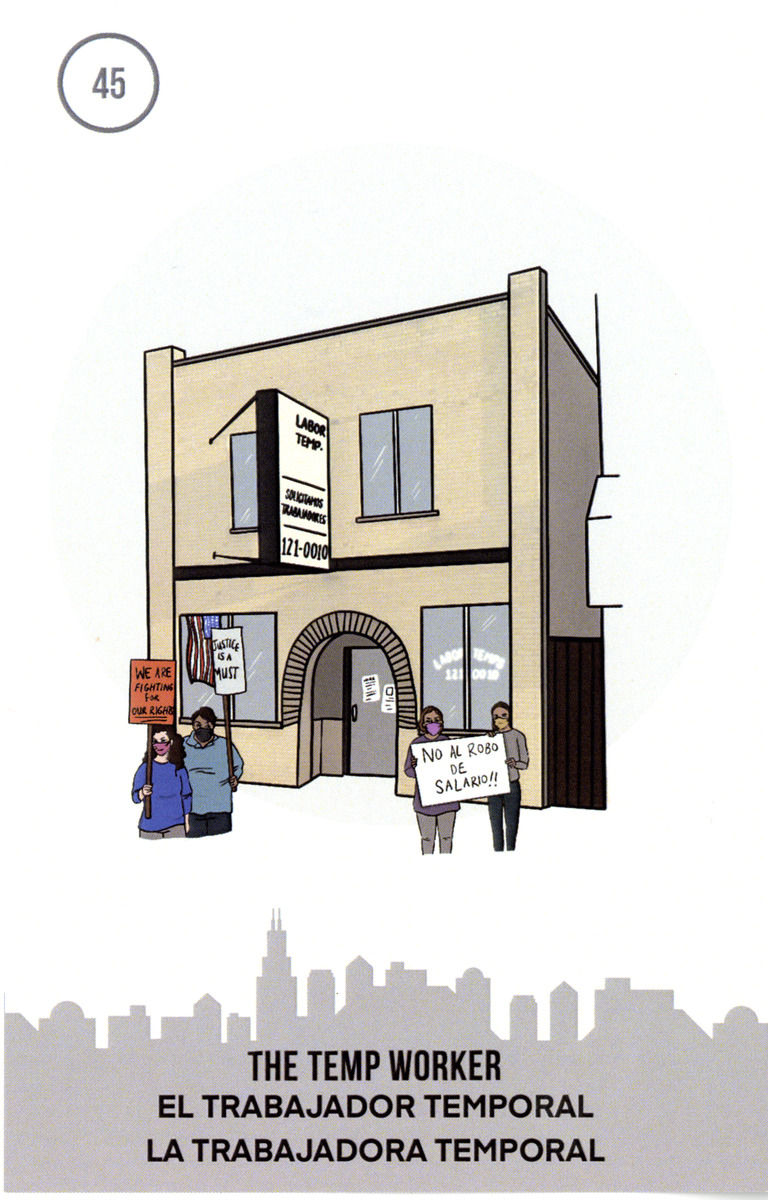
Card 45 - The Temp Worker
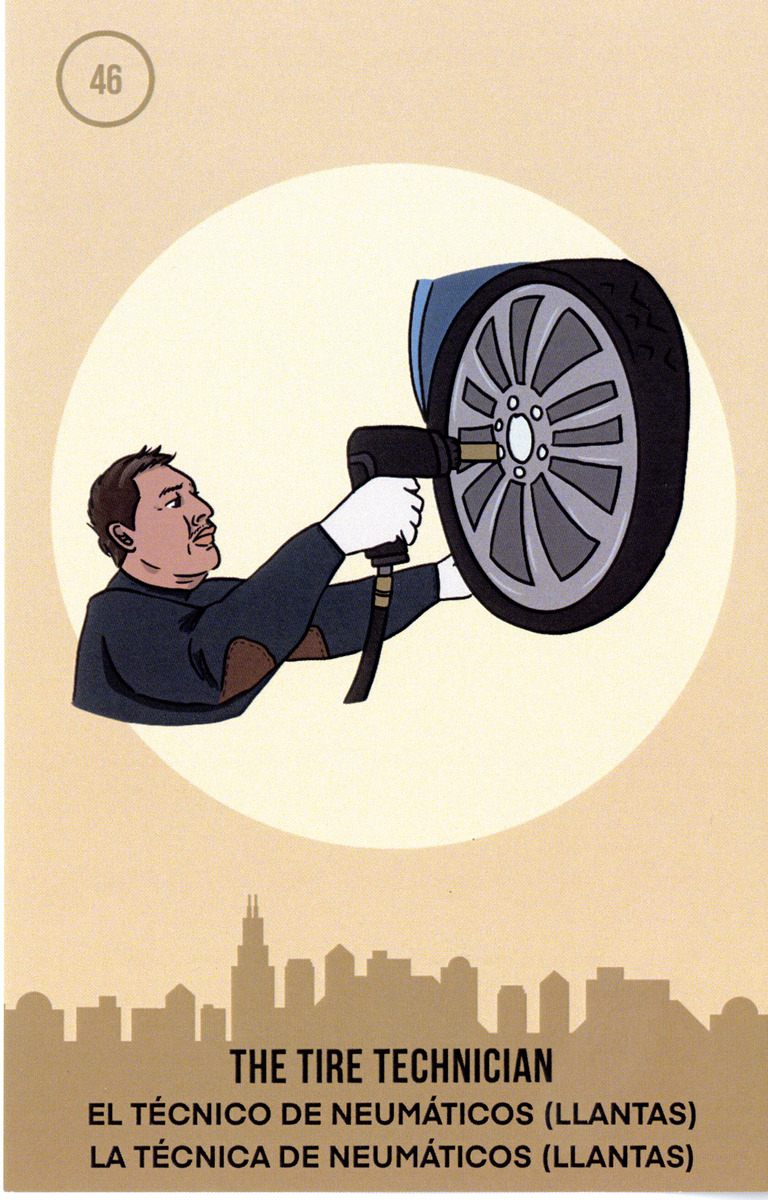
Card 46 - The Tire Technician
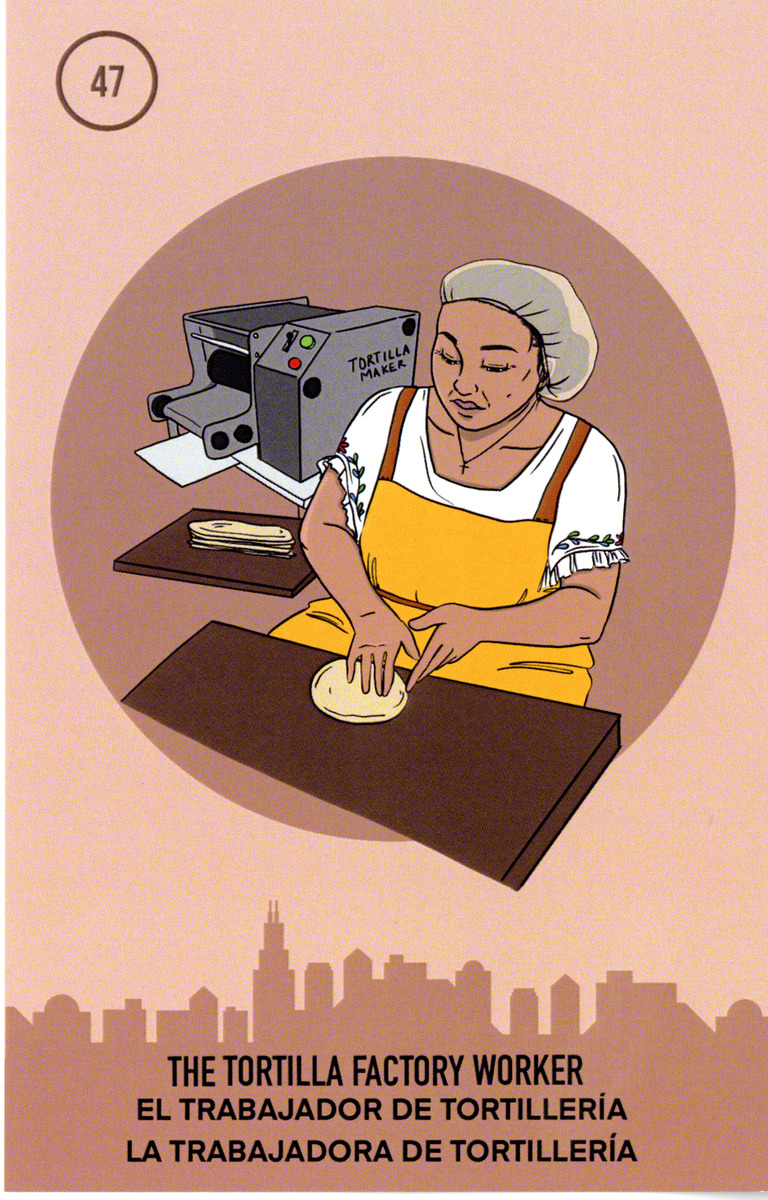
Card 47 - The Tortilla Factory Worker
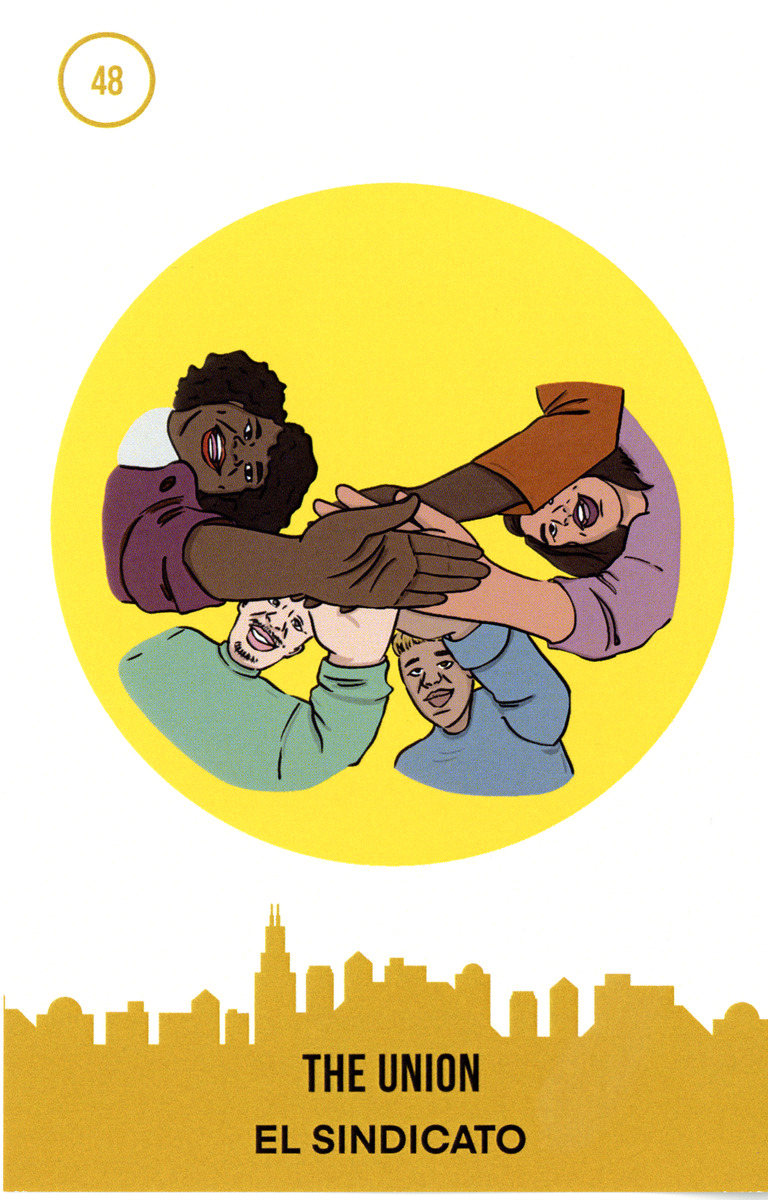
Card 48 - The Union
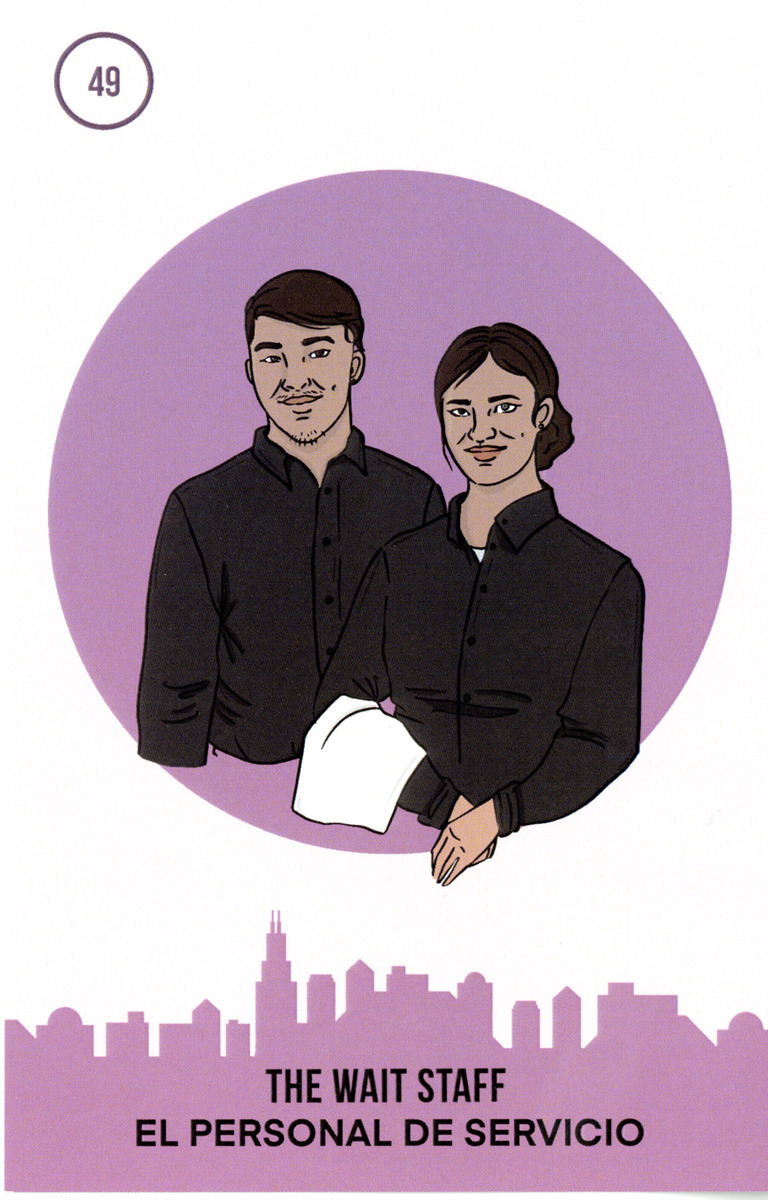
Card 49 - The Wait Staff
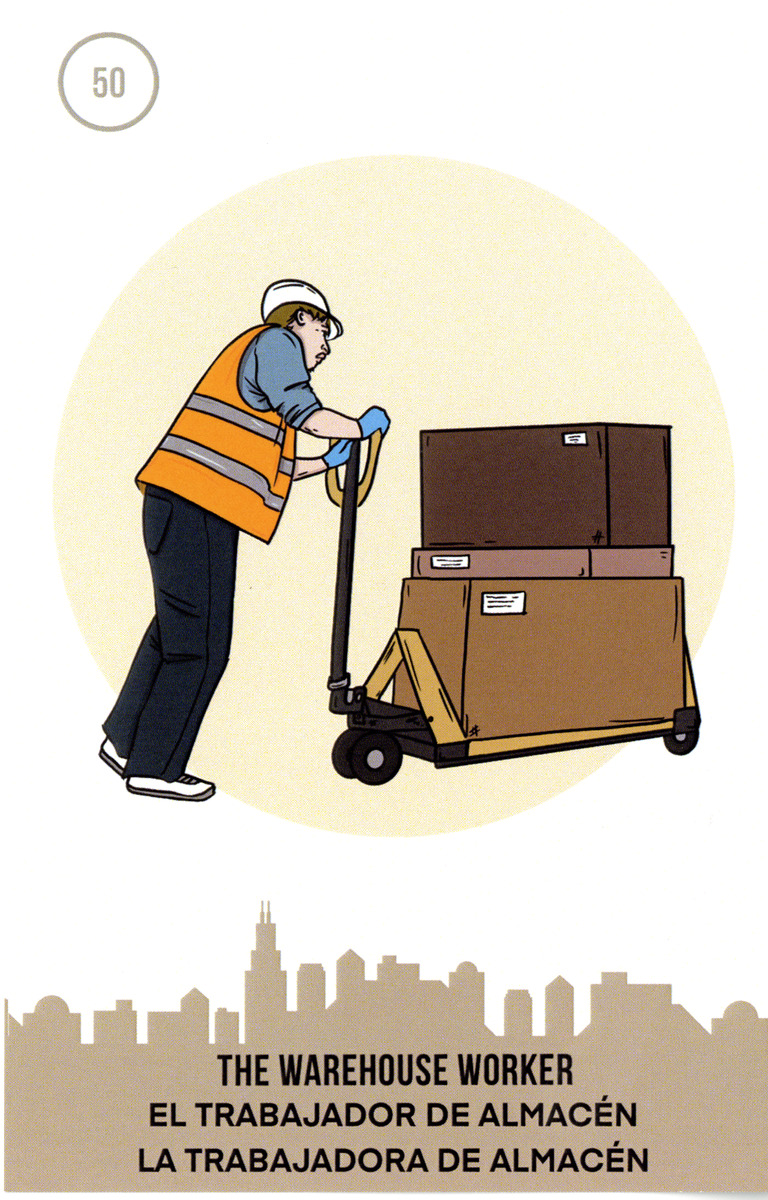
Card 50 - The Warehouse Worker
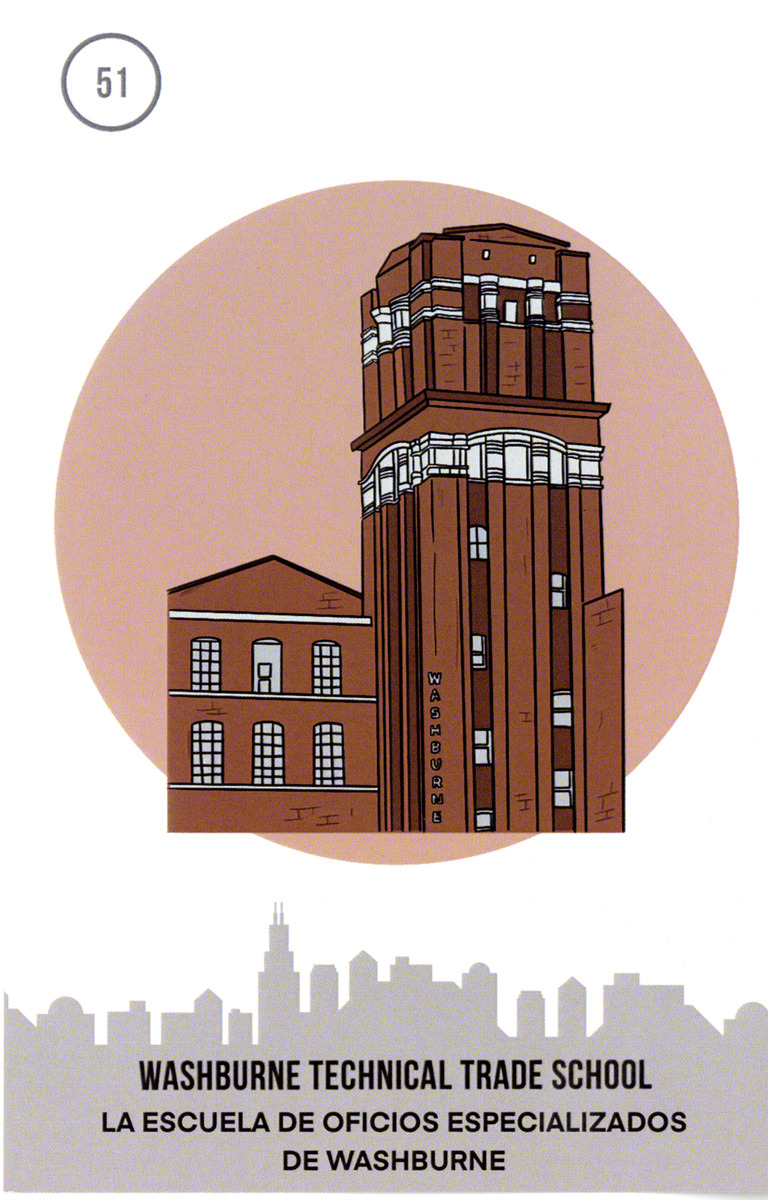
Card 51 - Washburne Technical Trade School
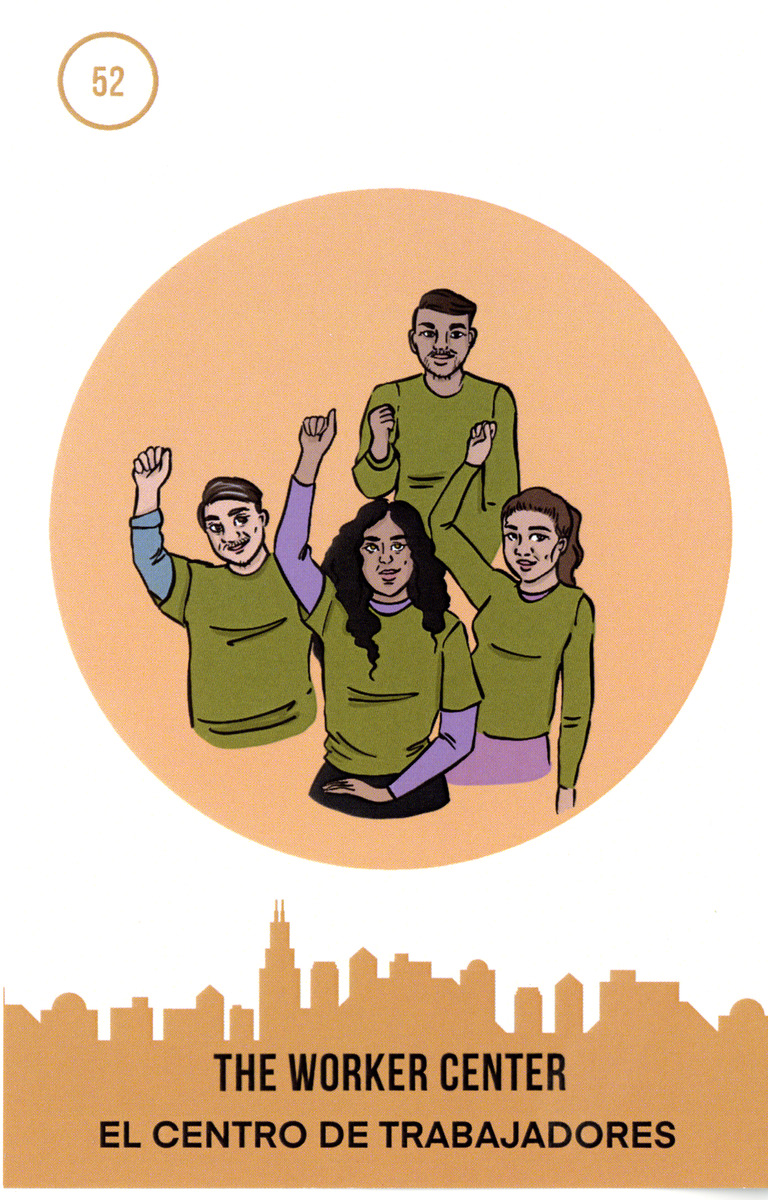
Card 52 - The Worker Center
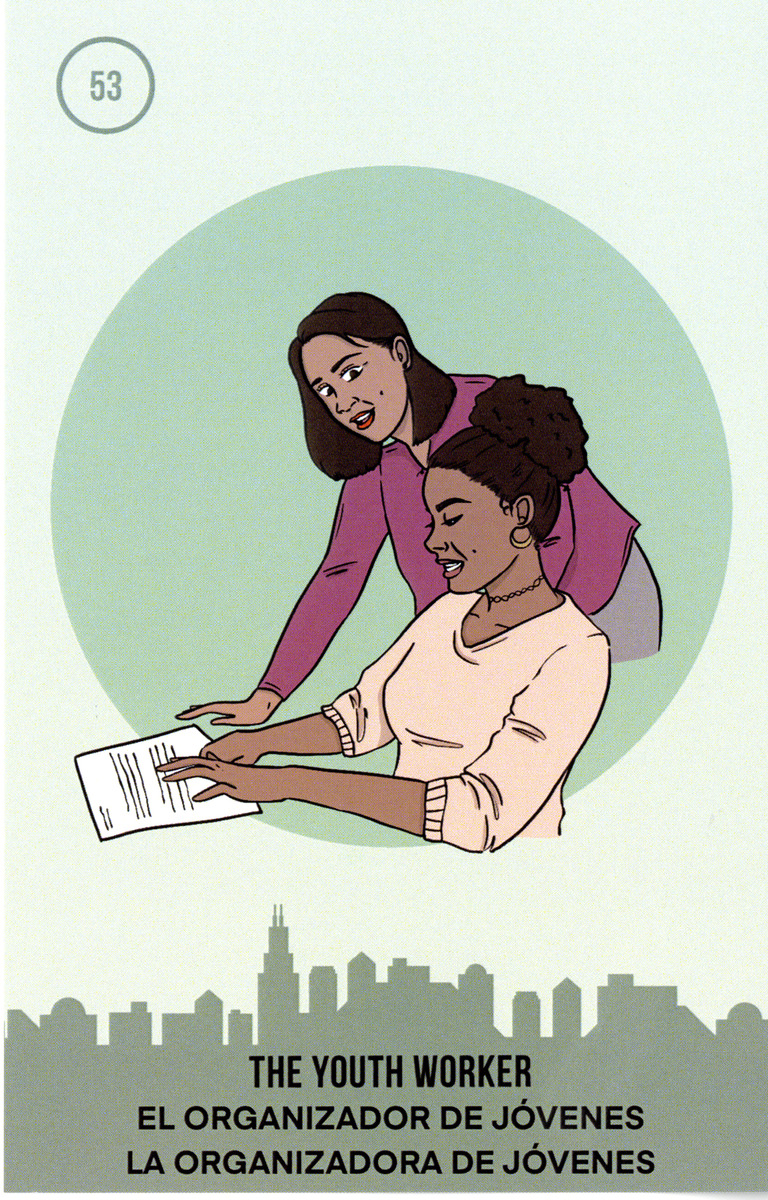
Card 53 - The Youth Worker
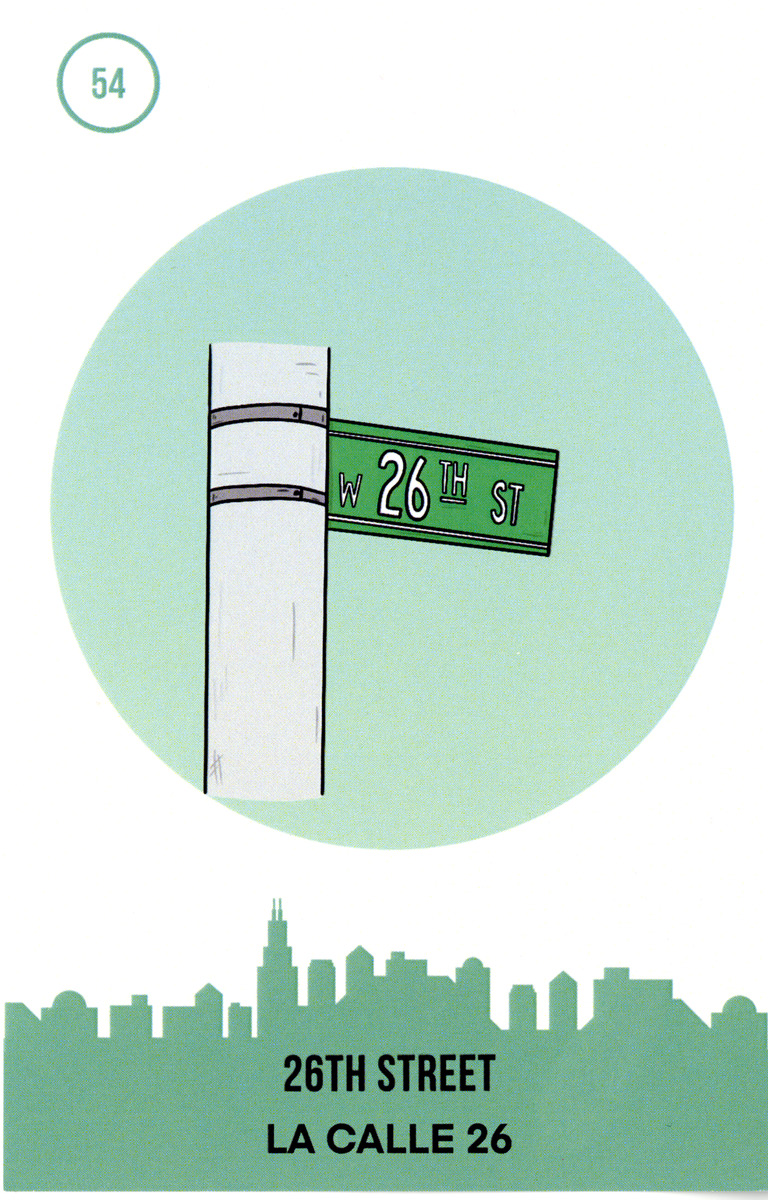
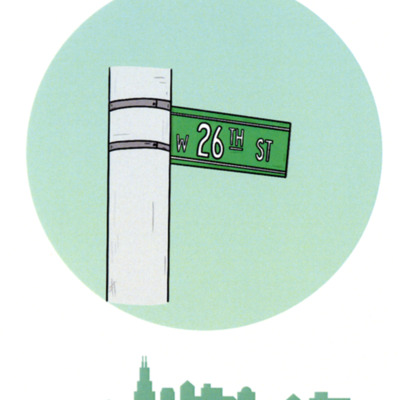
Card 54 - 26th Street
Greater Lawndale, including North Lawndale and Little Village, are communities on the southwest side of Chicago, Illinois. Little Village has one of the largest foreign-born Mexican populations in Chicago and more than 80% of its residents are of Mexican descent. Nearly 90% of the residents of North Lawndale identify as Black, but the neighborhood includes a significant Mexican-American population. Both communities’ median household income is significantly lower than the Chicago median income of $55,703.
Many of Greater Lawndale’s citizens work in low-wage jobs, including in industries such as food and hotel service, construction, and manufacturing; as temporary workers; or in the informal labor market, including as street vendors or gig workers. Although workers make valuable contributions to the workplace and community, many report that they are exposed to unjust working conditions and systematic exploitation.
The Greater Lawndale Lotería is a community-based solution to inform workers about their rights and to promote worker’s health. The game is a collaboration between community partners and the University of Illinois Chicago’s Greater Lawndale Health Work Project—inspired by the work of community activist and public health professional Dolores Castañeda.
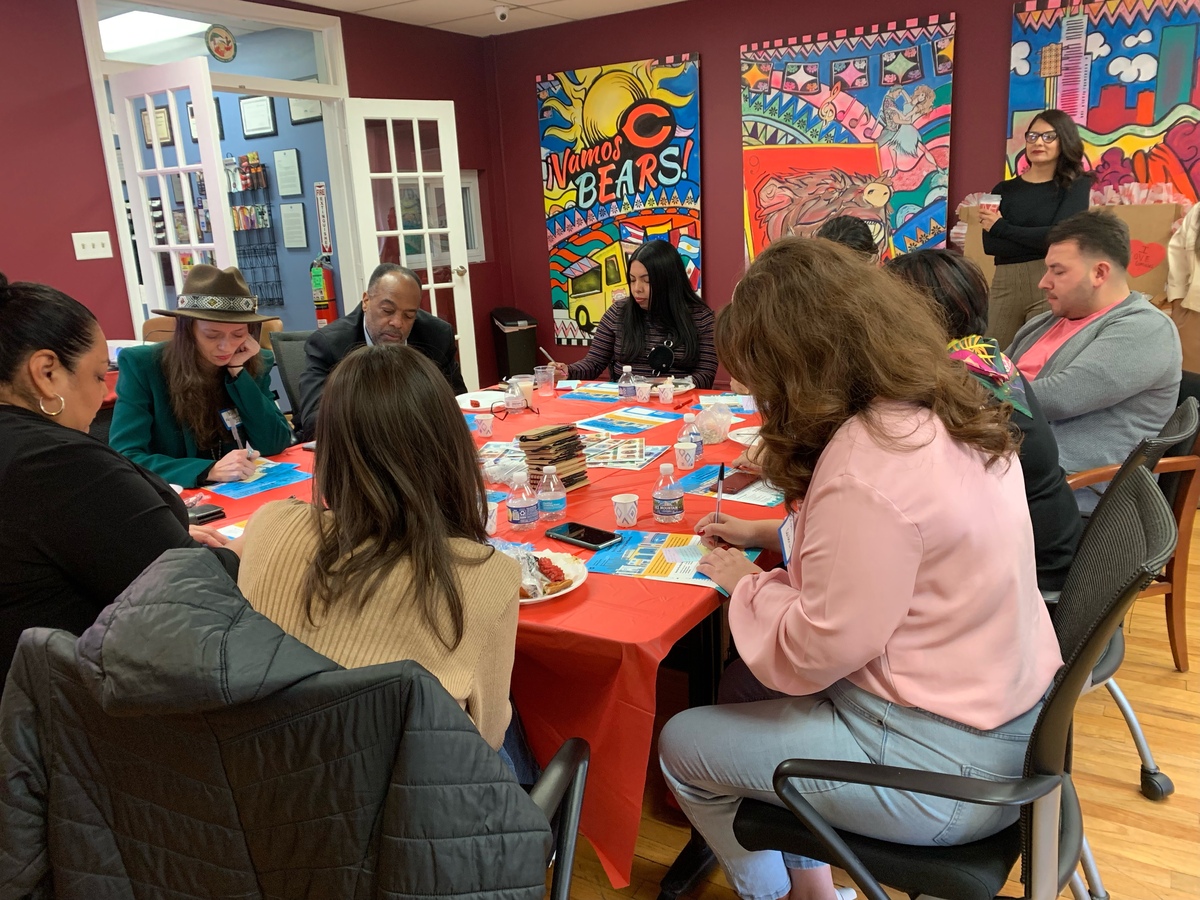
How the Greater Lawndale Lotería Game Was Developed
Lotería, the Spanish word for lottery, is a game of chance that is played throughout Latin America and throughout the U.S., particularly in Mexican communities. Similar to bingo, board card numbers are replaced by illustrations. Variations of lotería are always evolving, so using the game as a tool to educate workers about job safety and worker rights is in the spirit of the game.
Launched in 2019, the Greater Lawndale Healthy Work Project (GLHWP) used surveys, concept mapping, focus groups, and secondary data analysis to understand how work affects health, to define what healthy and dangerous work looks like, and to help the development of its community initiatives. Through surveys with 500 people from Greater Lawndale, GLHWP learned that 70% of respondents did not have any health benefits and 78% did not get paid if they missed a day of work.
These data helped decide the content of the game, which was piloted and evaluated in several neighborhood settings. The findings showed that this educational game helped to facilitate hard conversations about unhealthy work and raised awareness among workers.
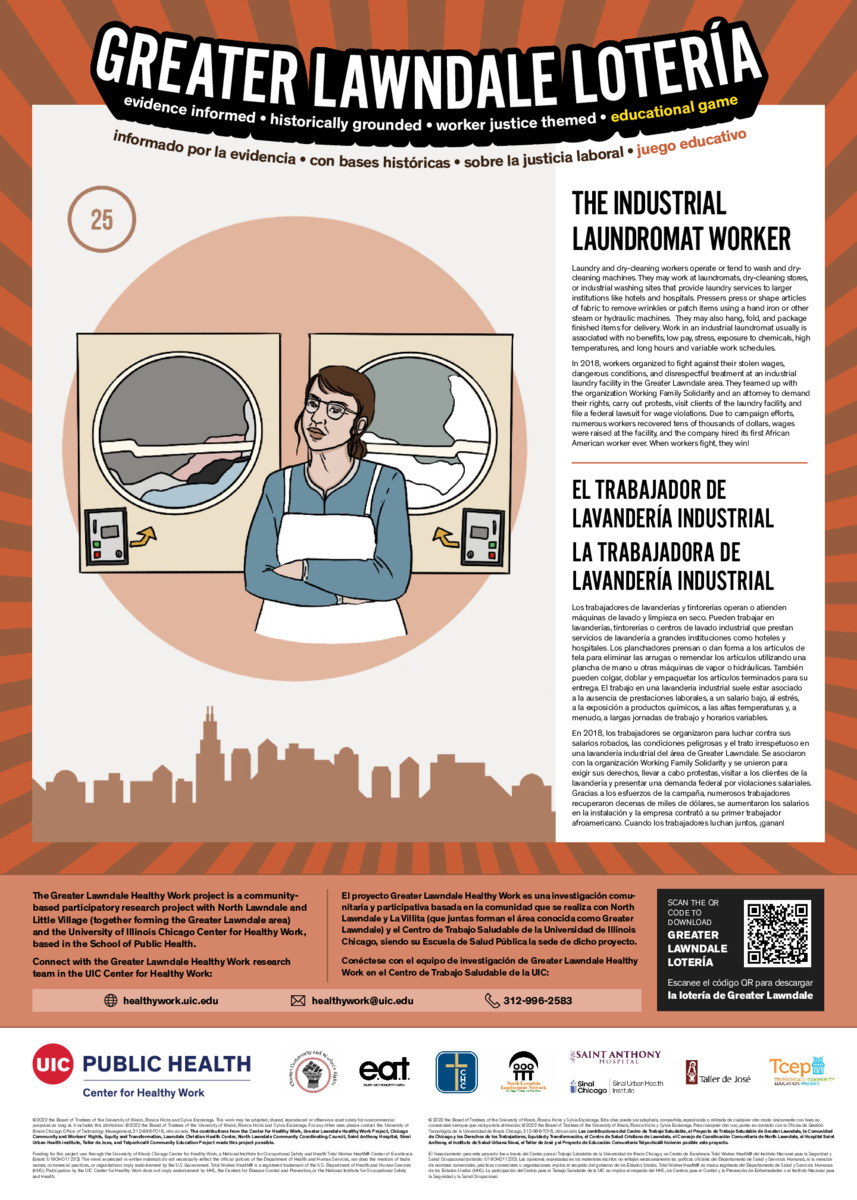
The lotería game includes 54 illustrated cards by Ronica Hicks, a North Lawndale artist, and an instructional booklet by Theodora Salazar, a Little Village artist. Because the project advocates for worker justice and community health at the neighborhood level, most cards reflect low wage jobs with unjust working conditions commonly found in Greater Lawndale. Workplaces and neighborhood landmarks are also depicted.
The backs of the cards include educational narratives that discuss safety issues, the history of the Chicago labor movement, and “know your rights” information.
For this exhibition, the Greater Lawndale Healthy Work Council chose three lotería cards—street vendor, temp worker, and community health worker—as representative of both Little Village and North Lawndale communities. The Council also noted that the narratives are rich with evidence-based findings and highlight local advocacy efforts.